

You sit down to work. A message comes in, then another. Forty minutes later the real task has not started.
Deep work is the other kind of hour: one demanding task, your full attention, nothing else open. The term is Cal Newport’s. [1]
You train it the way you train for a run: start with a load you can finish, then raise it.
“In deep work I’m ten times more productive than in shallow work.”Przemyslaw Siwek, Solve Labs · one person’s experience
The plan has you count your own multiple. Here is what the research has measured.
On average before interrupted work was picked up again.
One field study of 24 office workers, with a wide spread: read it as an order of size. Mark, González & Harris, 2005 [2]
The effect of an if-then plan on reaching a goal, between medium and large.
Pooled from 94 independent tests. Gollwitzer & Sheeran, 2006 [3]
About four hours a day is where the people who do the most deep work stop.
Violin students in Berlin and a review of other fields. A pattern in what experts report, not a measured limit. Ericsson, Krampe & Tesch-Römer, 1993 [4]
Get the training plan.
- A 42-page workbook to print and fill in
- A six-week ladder from 2 × 25 to 5 × 55
- A one-page tracker for the wall
- A log for every block
- 24 sources, each graded
That email does not look right. Check it and try again.
We email the workbook and a few short lessons on the protocol. Unsubscribe in one click.
It is on its way.
We have emailed it to you. If it is not in your inbox in two minutes, look under Promotions. You can also open it right here.
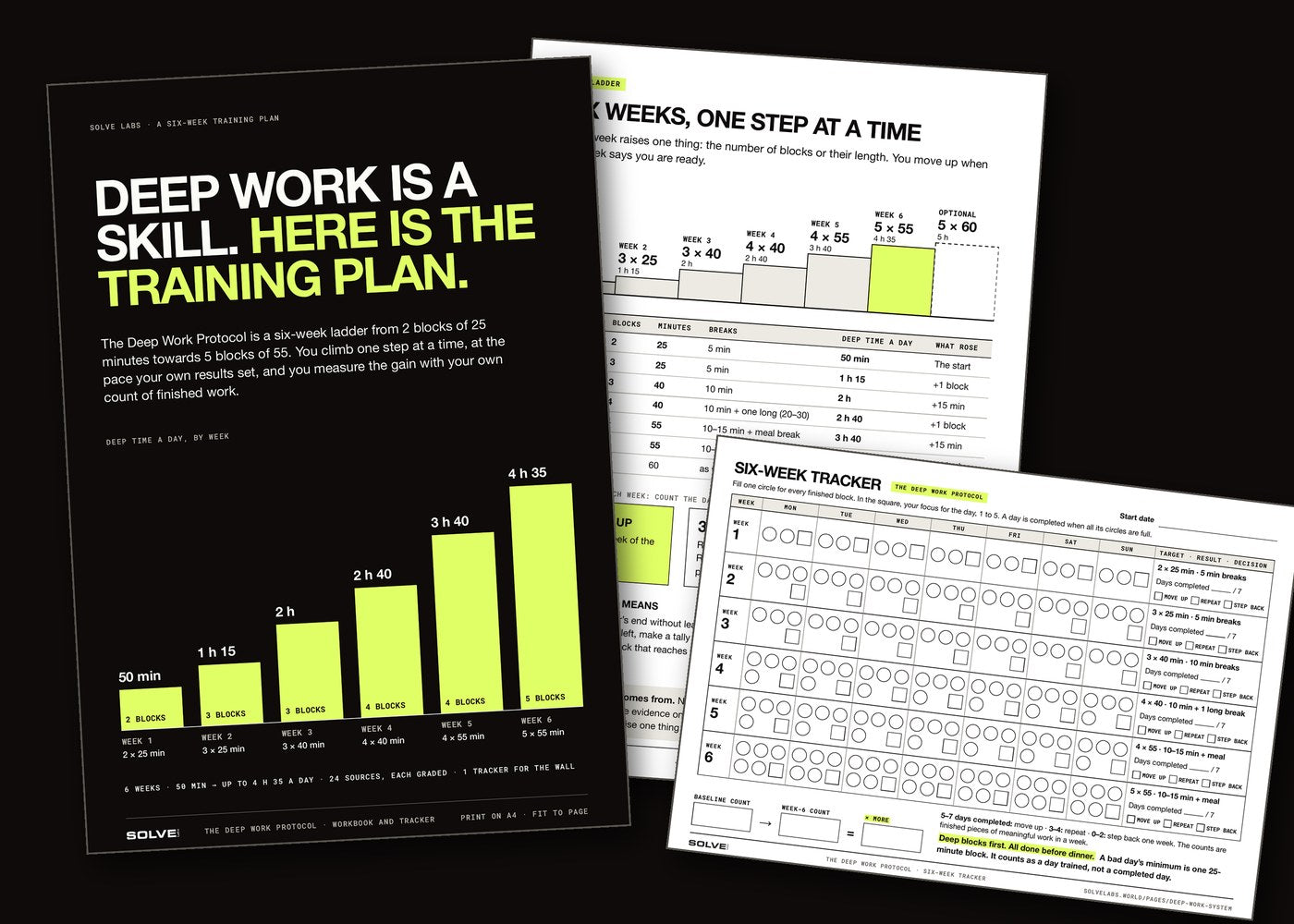
The plan has two parts. The method is the set-up that makes a block easy to start. The ladder is how the load rises.
A block is a decision made in advance
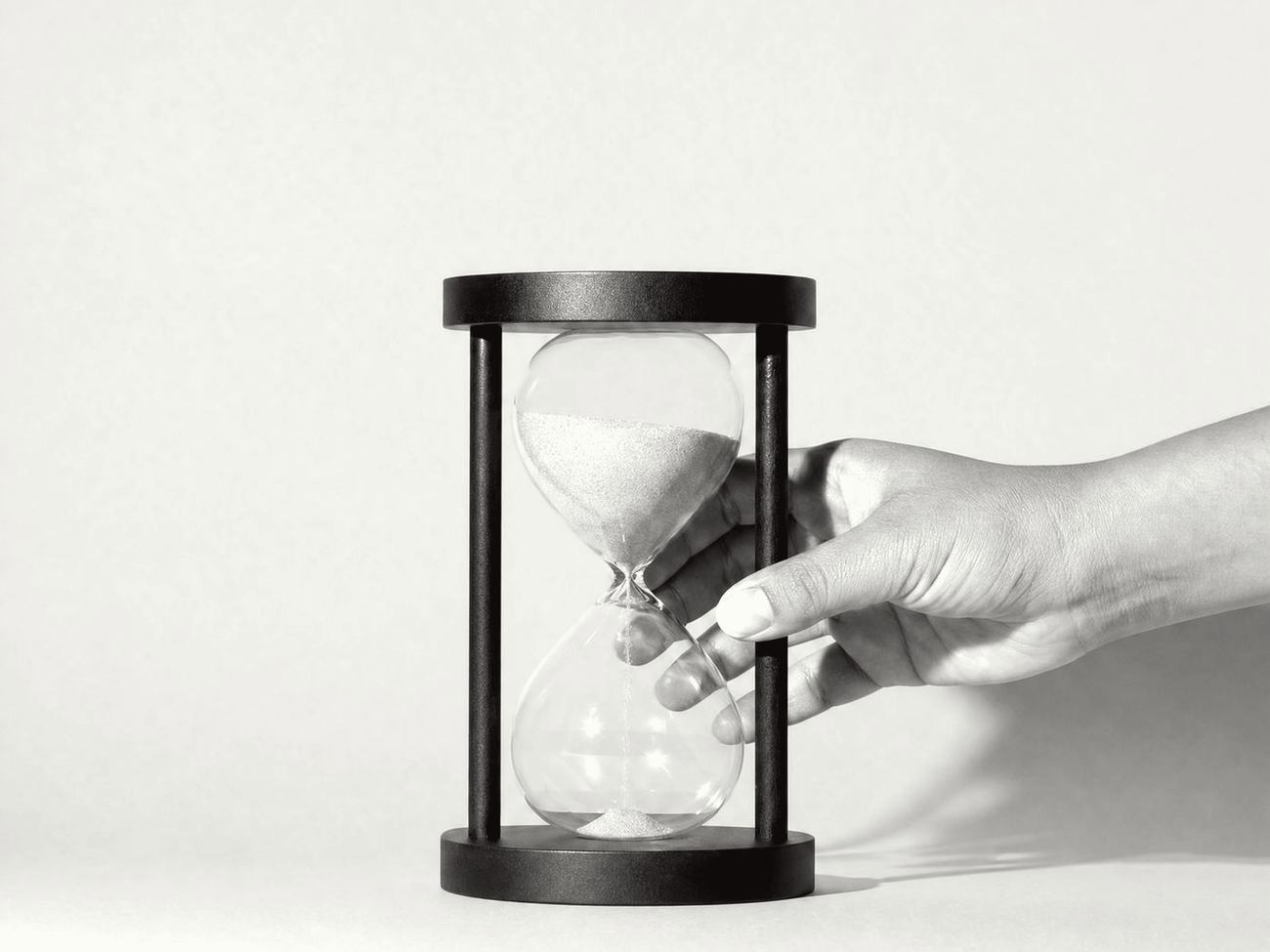
The hard part of deep work is the start, because it is three decisions at once: what, when, and for how long. The method takes all three the day before.
Write tomorrow’s task tonight
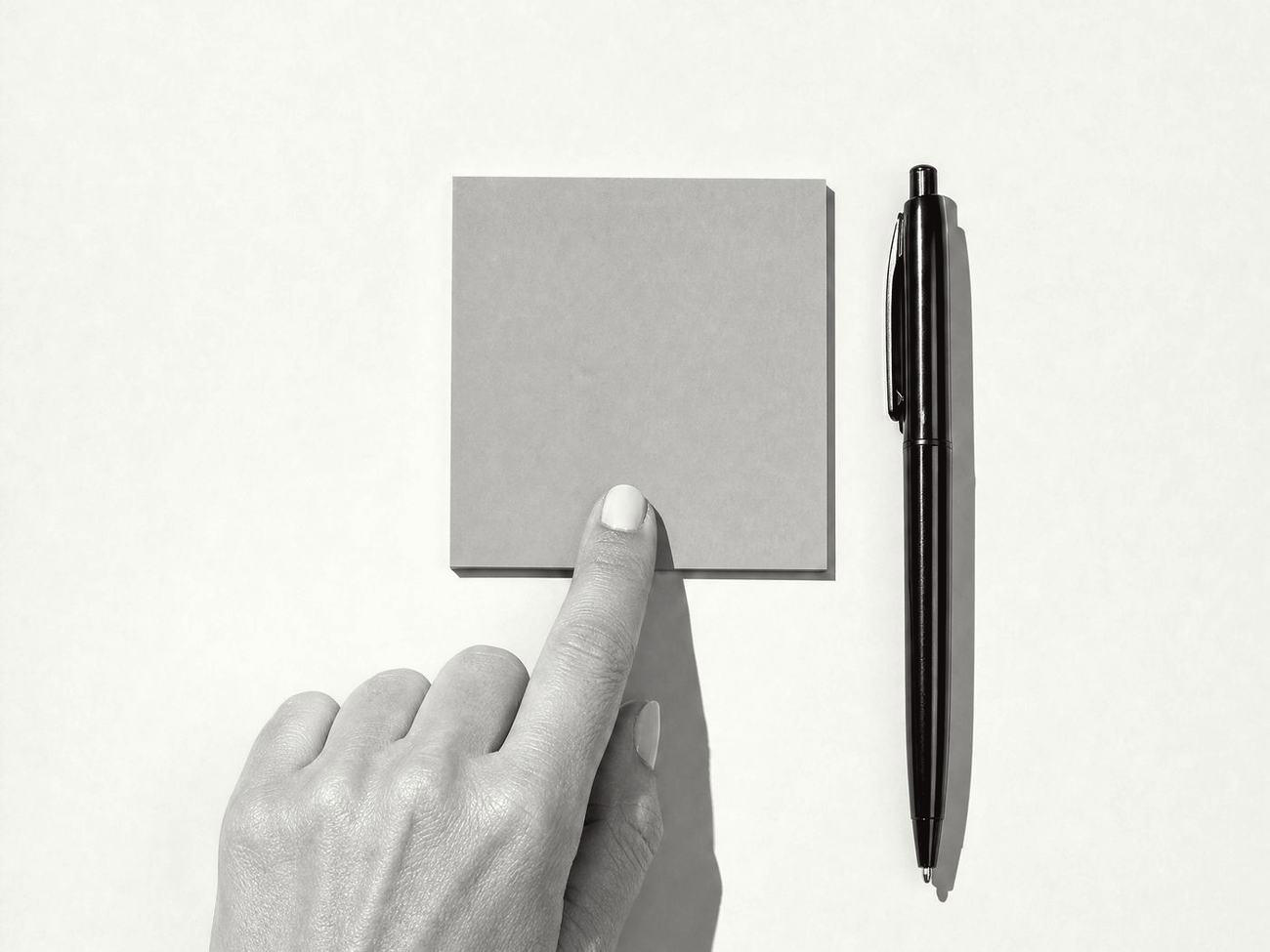
“Work on the report” has no end, so it is easy to put off. “Draft the findings section until the timer rings” can start at 9:00.
Deep work first, shallow work on a schedule
Your blocks go first, stacked, and all done before dinner. Mail, messages and admin get two or three fixed windows.
124 adults checked email three times a day for one week and freely for another. Daily stress was lower in the three-times week. [5]
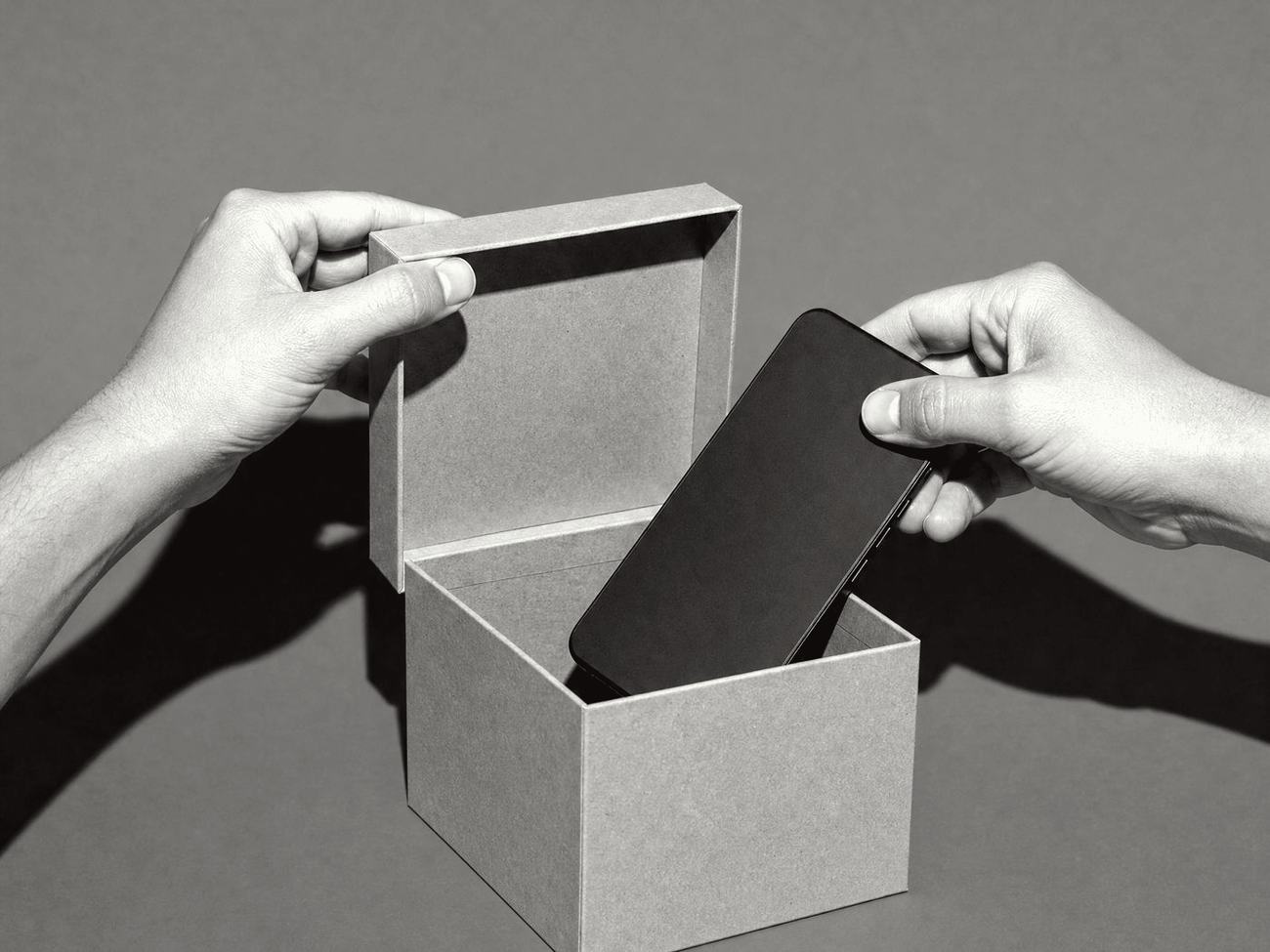
Give the phone another room
The research, in order:
Our reading: a silent phone costs you when you pick it up. Distance makes the pick-up impossible, and that is reason enough.
Choose one sound and keep it
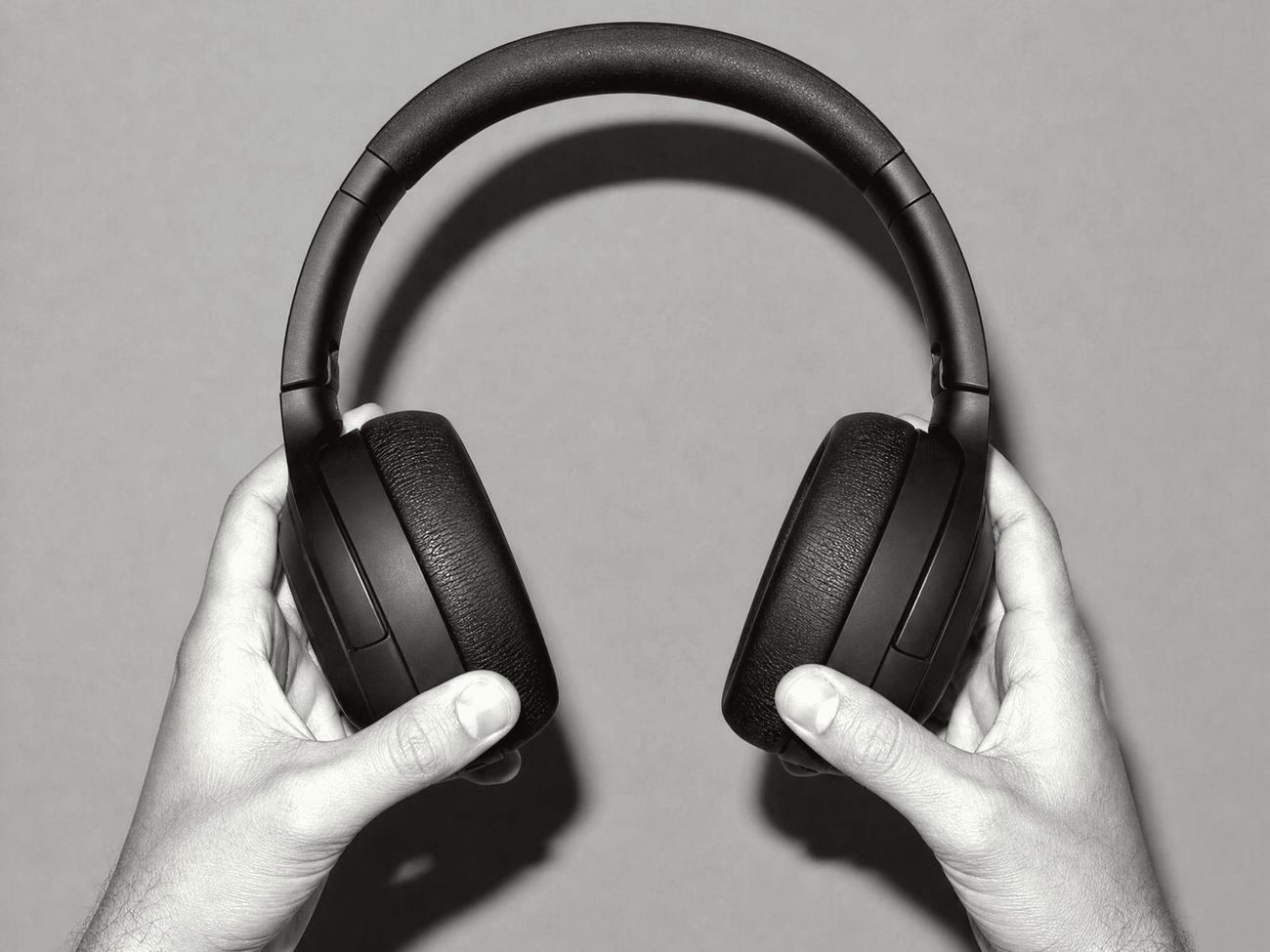
Keep the same choice every block, so the sound itself comes to mean that work has started.
Across 65 studies of reading with background sound, music with lyrics lowered comprehension (d = −0.35). Instrumental music: about zero. [9]
Binaural beats are an option to try: possible, and unproven.
Take fixed breaks, away from the screen
Every break has its length before the block begins. A break you take when you feel like it tends to come late and run long.
- 1 · Minute 0 to 1: close the blockStand up. Fill in the log row. Start the break timer.
- 2 · Minute 1 to 4: leaveWalk to another room. Look at something more than six metres away. Drink water.
- 3 · Minute 4 to 5: come backSit down and read the next task line.
In 22 samples (n = 2,335), breaks of up to 10 minutes raised vigour (d = .36) and cut fatigue (d = .35). The gain in output is small and not statistically secure. [12]
Shut down at a fixed time
A fixed ending lets you leave work at work, and it is where tomorrow’s blocks get their tasks.
- Close the log and mark the tracker on the wall.
- Empty the capture pad, the notepad for thoughts that arrive mid-block.
- Write tomorrow’s tasks, one for each block. Hardest first.
- Park what is open: one line with the next action.
- Close everything and say a fixed phrase: “Done for today.”
A review of the research on recovery from work found that people who mentally leave work in the evening report less strain and better well-being. [13]
Six weeks, one step at a time
Each week raises one thing: the number of blocks or their length. Week 1 asks for 50 minutes, under the hour Newport puts as a beginner’s limit. [1]
At the end of each week, count the days on which every planned block was finished
- A bad day’s minimum is one 25-minute block. It still counts as a day trained.
Week 6 asks for 4 h 35, which is at or above the roughly four hours found in elite performers. [4]
So the top of the ladder is a level to test. Many people will settle at 4 × 55, and that is a full result.
Where this ladder comes from. No study has tested this exact sequence. It is Solve Labs’ method, built from the evidence on this page.
The training costs nothing.
If you want the three products that go with it, the Deep Work System starts from £5 plus £4.95 UK delivery.
See the Deep Work System →60 days to decide on your first order, even opened. Food supplement. Not a substitute for a varied diet and a healthy lifestyle.
- First coffee
- Lion’s Mane
- After breakfast
- Brain Tech
- After the shutdown
- Reishi
Sources
- Newport C. Deep Work. Grand Central Publishing, 2016.
- Mark G., González V. M., Harris J. No task left behind? Examining the nature of fragmented work. Proceedings of CHI 2005, 321–330.
- Gollwitzer P. M., Sheeran P. Implementation intentions and goal achievement: a meta-analysis. Advances in Experimental Social Psychology, 2006; 38: 69–119.
- Ericsson K. A., Krampe R. Th., Tesch-Römer C. The role of deliberate practice in the acquisition of expert performance. Psychological Review, 1993.
- Kushlev K., Dunn E. W. Checking email less frequently reduces stress. Computers in Human Behavior, 2015; 43: 220–228.
- Ward A. F. et al. Brain drain: the mere presence of one’s own smartphone reduces available cognitive capacity. Journal of the Association for Consumer Research, 2017; 2(2): 140–154. Contested by the next two.
- Ruiz Pardo A. C., Minda J. P. Reexamining the “brain drain” effect: a replication of Ward et al. (2017). Acta Psychologica, 2022; article 103717.
- Parry D. A. Does the mere presence of a smartphone impact cognitive performance? A meta-analysis of the “brain drain effect”. Media Psychology, 2024; 27(5): 737–762.
- Vasilev M. R., Kirkby J. A., Angele B. Auditory distraction during reading: a Bayesian meta-analysis. Perspectives on Psychological Science, 2018.
- Garcia-Argibay M., Santed M. A., Reales J. M. Efficacy of binaural auditory beats in cognition, anxiety, and pain perception: a meta-analysis. Psychological Research, 2019.
- Ingendoh R. M., Posny E. S., Heine A. Binaural beats to entrain the brain? A systematic review. PLOS ONE, 2023.
- Albulescu P. et al. “Give me a break!” A systematic review and meta-analysis on the efficacy of micro-breaks. PLOS ONE, 2022.
- Sonnentag S., Fritz C. Recovery from job stress: the stressor-detachment model. Journal of Organizational Behavior, 2015; 36(S1): S72–S103.