
The Athlete's Mushroom Stack: Cordyceps, Chaga & Beyond
The Athlete's Mushroom Stack: Cordyceps, Chaga & Beyond

- Cordyceps militaris at 4g/day for 3 weeks produced a 10.9% increase in VO₂ max and a 41% increase in ventilatory threshold in a 2017 clinical trial, but acute (single-dose) use shows minimal benefit.
- Cordyceps works by upregulating ATP synthesis via cordycepin (3'-deoxyadenosine), not by masking fatigue, it changes the underlying energy machinery, which is why weeks of consistent use are required.
- Chaga's value for athletes is primarily antioxidant and immune-protective, it counters the oxidative stress of hard training, not a direct performance enhancer like cordyceps.
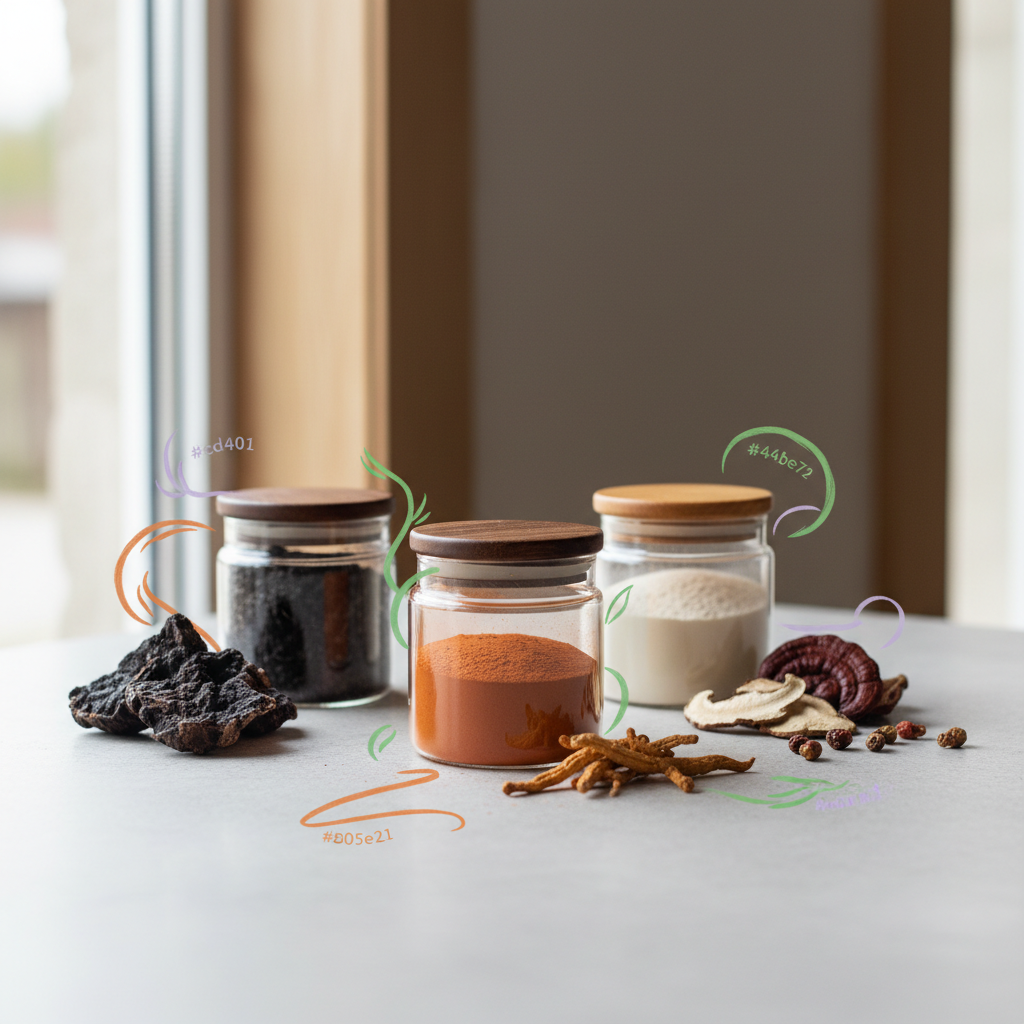
- Stacking these mushrooms isn't about doing more at once, it's about matching each mushroom's mechanism to a specific phase of your training cycle: performance, recovery, or resilience.
The honest answer: not all functional mushrooms do the same thing, and stacking them without a framework is how athletes end up spending money on capsules they can't feel. The smarter approach is to think in mechanisms, what does each mushroom actually change at the cellular level, and when does that matter most in your training week? Get that right, and a well-chosen mushroom stack earns its place alongside your other performance tools. Get it wrong, and you're just drinking expensive tea.
Cordyceps: the ATP upregulation case (and why timing matters)
Cordyceps is the most evidence-backed mushroom for athletic performance, but the evidence comes with a catch most supplement brands quietly skip over. The primary bioactive, cordycepin (3'-deoxyadenosine), is structurally near-identical to adenosine. It integrates into the cellular energy cycle and directly upregulates ATP production, the actual fuel your muscles burn. This is a mechanistic claim with real biochemical support, not a vague "energy boost."
The clinical findings back it up, within specific parameters:
- A 2017 study published in the Journal of Dietary Supplements found that 4g of Cordyceps militaris daily for 3 weeks produced a 10.9% increase in VO₂ max and a remarkable 41% increase in ventilatory threshold in healthy adults. That's the point at which your body shifts from aerobic to anaerobic, pushing it higher means you can sustain harder efforts for longer.
- A separate randomized, double-blind, placebo-controlled trial in amateur marathon runners found that 2g of Cordyceps sinensis daily for 12 weeks improved VO₂ max by 7% and metabolic threshold by 11% compared to placebo. Notably, at 8 weeks, the same athletes already showed a reduced heart rate at the same submaximal workload, a sign of improved aerobic efficiency before the full performance gains arrived.
The catch: acute supplementation shows weak ergogenic effect. Taking cordyceps the morning of a race won't do much. The benefits are structural, improved mitochondrial function, better oxygen utilization, and they take weeks to develop. Think of cordyceps as a training adaptation tool, not a pre-workout stimulant. Four grams daily, consistently, for a minimum of three weeks. That's the protocol the evidence supports.
One honest caveat: effects on general aerobic fitness remain inconsistent across studies, and results vary by baseline fitness level. Higher-trained athletes may see smaller VO₂ max gains simply because their ceiling is already elevated. The ventilatory threshold data is arguably more relevant for competitive athletes anyway, that's the metric that determines race pace sustainability.
On extract quality: cordycepin concentration varies wildly between products. Mycelium-on-grain products (common, cheap) are predominantly starch. Look for fruiting-body-only extracts with verified cordycepin content, the difference in active compound density is significant.
Chaga: the oxidative load your hard training creates
Chaga (Inonotus obliquus) doesn't improve VO₂ max. It doesn't directly boost ATP. What it does, and does well, is address a problem that intensifies with training volume: oxidative stress.
Hard training generates free radicals as a byproduct of elevated oxygen consumption and metabolic activity. A controlled amount of this oxidative stress is actually the signal that drives adaptation. Too much, from back-to-back hard sessions, inadequate recovery, or accumulated training load, tips into tissue damage, immune suppression, and the kind of persistent fatigue that doesn't resolve with sleep alone.
Chaga contains one of the highest ORAC (oxygen radical absorbance capacity) values of any natural food source, driven primarily by its melanin-rich outer layer and polyphenol content. Its beta-glucans also bind to immune cell receptors (Dectin-1, CR3), activating macrophages and NK cells, the innate immune response that gets suppressed in overtrained athletes. This is why Chaga is sometimes called a "mushroom multivitamin", it's not one targeted mechanism, it's broad-spectrum cellular protection.
For athletes, the practical application is straightforward: Chaga belongs in high-volume training blocks and recovery phases, not specifically pre-competition. It's the insurance policy against accumulated oxidative damage, the thing running quietly in the background while cordyceps does the performance work.
The stack framework: match mushroom to training phase
Here's the mental model worth keeping: each mushroom maps to a physiological priority, and your training week already has those priorities built in.
| Mushroom | Primary Mechanism | Best Training Phase | Time to Effect |
|---|---|---|---|
| Cordyceps | ATP upregulation, VO₂ max, ventilatory threshold | Base-building, competition prep | 3-12 weeks |
| Chaga | Antioxidant protection, immune resilience | High-volume blocks, recovery weeks | Ongoing / cumulative |
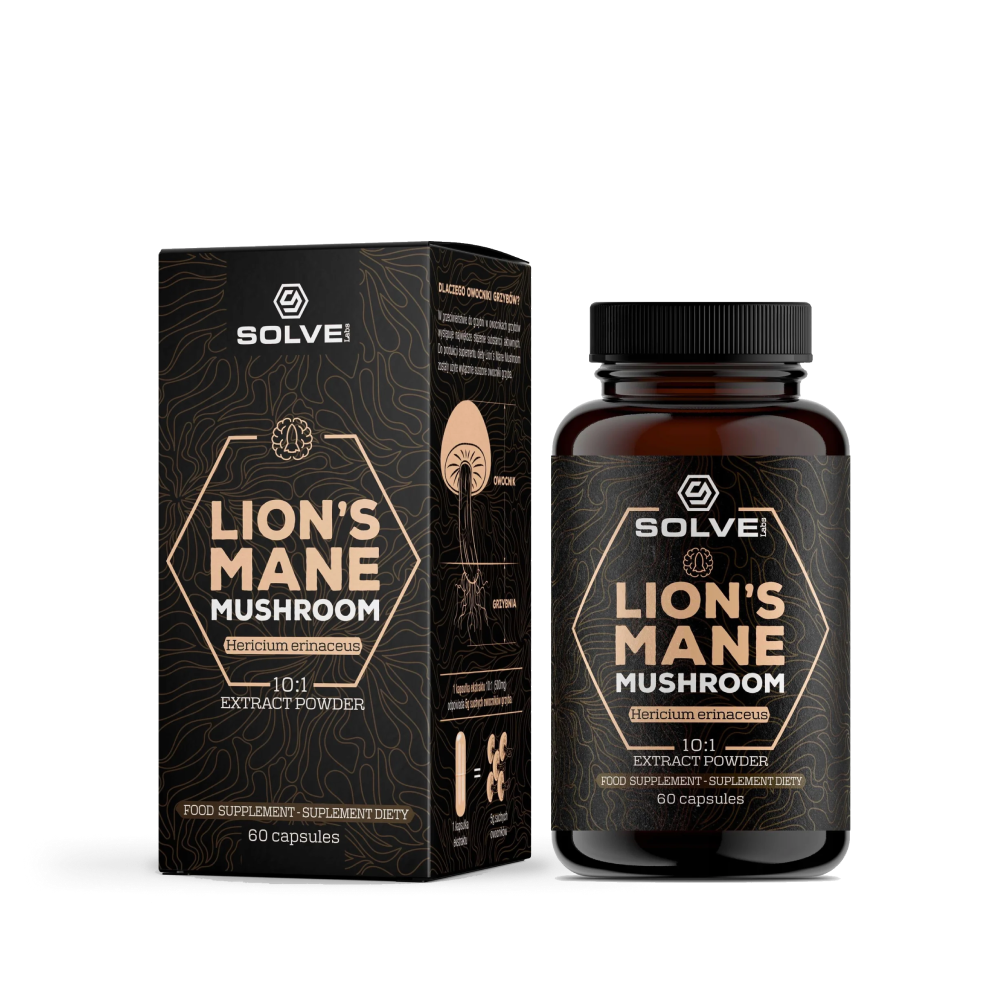
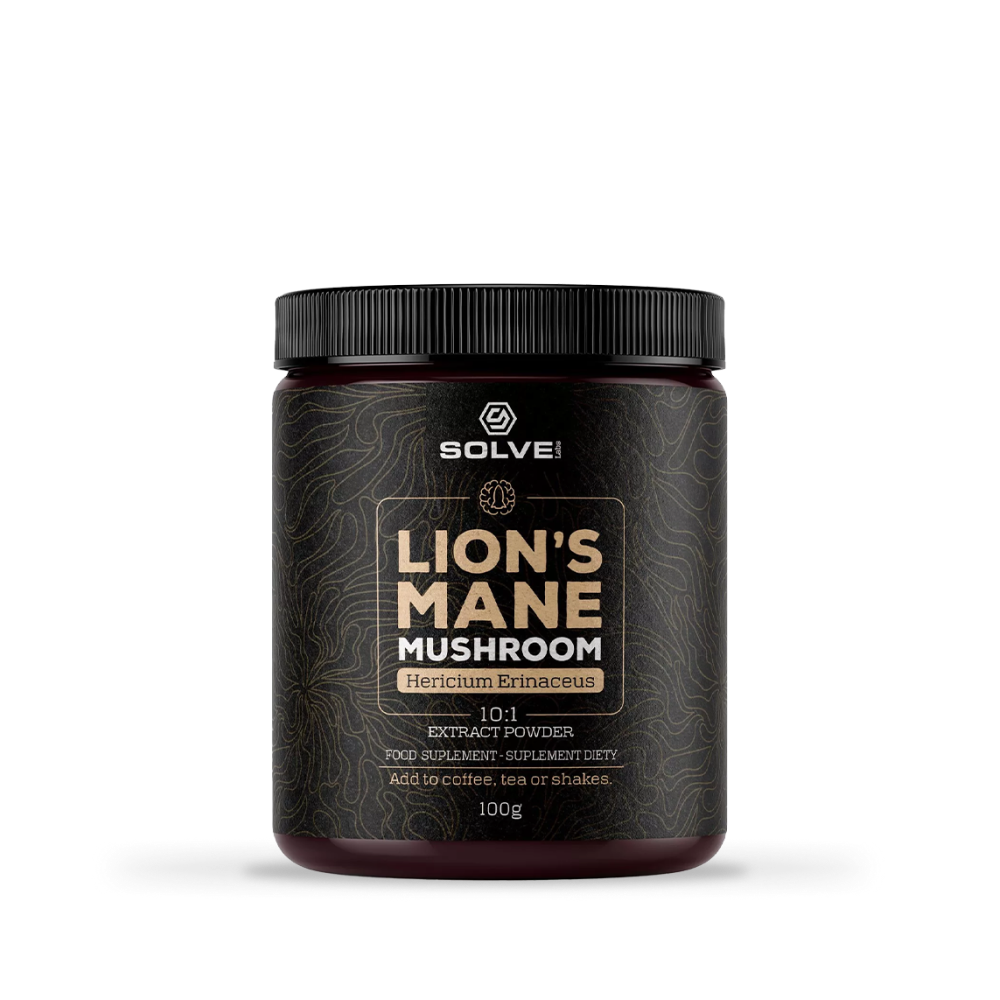
| Lion's Mane | NGF stimulation, neuromuscular signalling, focus | Skill-heavy sports, cognitive load periods | 4-8 weeks |
| Reishi | Cortisol modulation, sleep quality, parasympathetic recovery | Overreach recovery, deload weeks | 2-4 weeks |
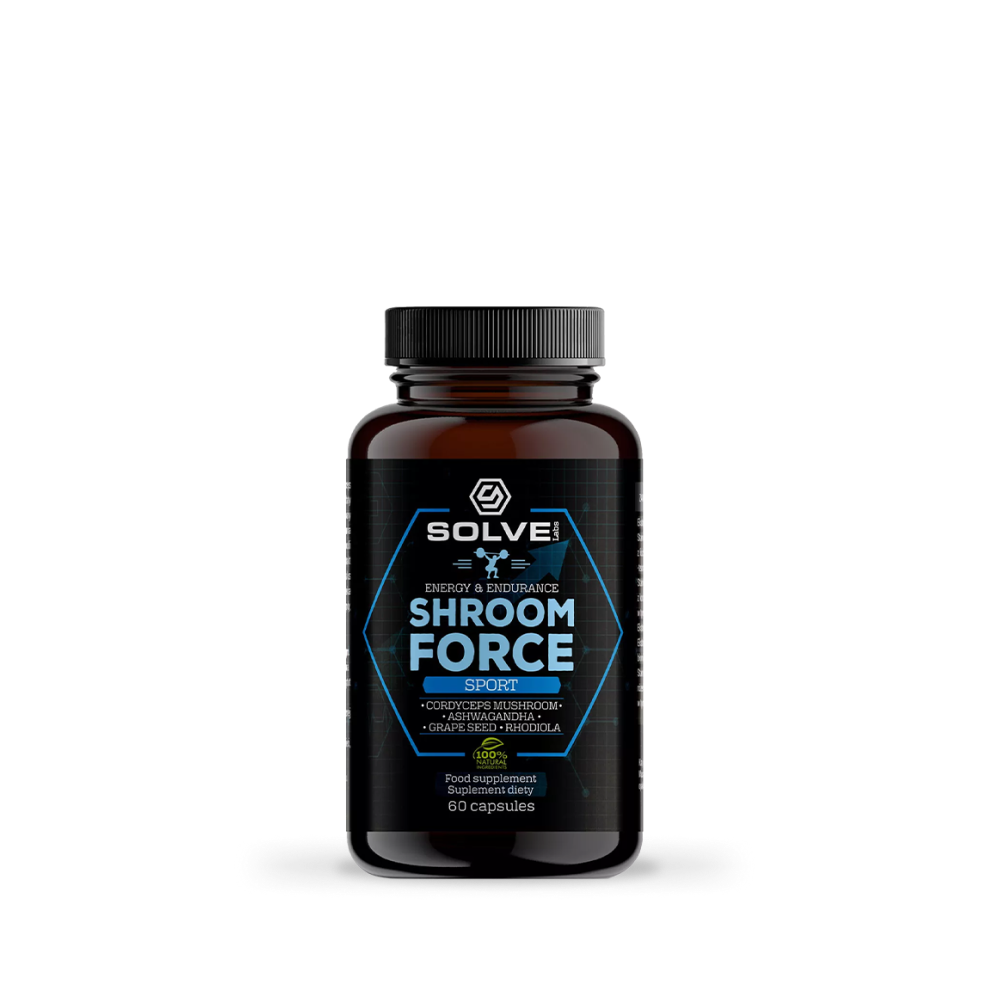
A practical starting stack for most endurance or strength athletes: cordyceps daily as the performance base (4g, fruiting body extract, consistent), chaga as the daily antioxidant layer, and reishi in the evening during heavy training blocks where sleep quality degrades. Lion's Mane earns its place if your sport involves significant tactical, technical, or cognitive demand, or if you're managing the focus deficit that comes with high training loads.
One honest note on stacking economics: more mushrooms isn't automatically better. If budget is a constraint, prioritize by your actual limiting factor. Struggling with endurance? Start with cordyceps. Constantly fighting illness or inflammation? Chaga first. Sleeping poorly and feeling wrecked between sessions? Reishi moves up the list. Solve Labs' Chaga capsules use 100% fruiting body extract with verified beta-glucan content, worth noting if oxidative load is your current bottleneck.
What the stack doesn't replace
Functional mushrooms work at the margins of a well-built training and recovery foundation. Cordyceps won't compensate for chronic under-fuelling. Chaga won't rescue a sleep debt. Reishi won't offset 14-day overreach with no deload.
The athletes who get the most from a mushroom stack are the ones who've already nailed the basics, consistent training stimulus, adequate protein, sleep architecture, and are looking for the last 5-10% of optimization. That's where these compounds genuinely earn their place. Not as a fix for broken fundamentals, but as precision tools for an already-functioning system.
Dose consistently. Give it the timeline the evidence demands. Track one variable at a time so you actually know what's working.
- Hirsch et al. (2017), Journal of Dietary Supplements: Cordyceps militaris, VO₂ max, ventilatory threshold
- Chen et al. (2010), randomized controlled trial: Cordyceps sinensis in marathon runners, VO₂ max and metabolic threshold
- Parcell et al. (2001), Journal of Strength and Conditioning Research: Cordyceps sinensis supplementation and ergogenic effects review
- Koh et al. (2017), review of cordycepin mechanisms and ATP upregulation pathways
Frequently asked questions
How long does cordyceps take to work for athletic performance?
The clinical evidence is clear: acute (single-dose) use shows minimal ergogenic effect. Meaningful improvements in VO₂ max and ventilatory threshold appear after 3 weeks at 4g/day, with fuller aerobic efficiency gains emerging around 8-12 weeks of consistent supplementation. Plan for a minimum 4-week commitment before evaluating results.
Can I take cordyceps and chaga together, or do they interfere with each other?
There's no known pharmacological conflict between cordyceps and chaga, they operate through distinct mechanisms (ATP synthesis vs. antioxidant/immune pathways) and complement rather than compete with each other. Most athletes take both daily, with cordyceps in the morning (pre-training or with breakfast) and chaga at any point in the day.
Does it matter whether a mushroom supplement uses fruiting body or mycelium?
It matters significantly. Mycelium-on-grain products, common in cheaper supplements, are grown on a grain substrate, meaning a large proportion of the final powder is starch, not active mushroom compounds. Fruiting body extracts contain higher concentrations of the key bioactives (cordycepin in cordyceps, beta-glucans in chaga). Always check the label for fruiting body specification and, ideally, verified beta-glucan or cordycepin content.
Mentioned in this article: Chaga Capsules from our range.
Disclaimer: These statements have not been evaluated by the Food and Drug Administration. This product is not intended to diagnose, treat, cure, or prevent any disease. Consult a healthcare professional before use.
