

Functional Mushrooms: A Beginner's Guide That Actually Works
Functional Mushrooms: A Beginner's Guide That Actually Works

- Beta-glucans in functional mushrooms bind directly to immune cell receptors (Dectin-1 and CR3), this is the mechanism, not marketing.
- Lion's Mane is the only mushroom that stimulates Nerve Growth Factor (NGF) via hericenones and erinacines, making it uniquely relevant for focus and cognitive repair.
- Adaptogenic benefits build over 4-8 weeks of consistent daily use, expect nothing dramatic in week one, and that's normal.
- Start at 1,000-1,500 mg of extract equivalent per day; extract matters more than raw powder weight.
- What "functional" actually means, and why it matters
- The four you actually need to know, matched to specific problems
- Extract vs. powder, the single most important label distinction
- How long before you feel anything, and why the timeline matters
- Format: capsules, powders, gummies, or functional food?
- What weak evidence looks like, and when to be skeptical
- Related guides
Functional mushrooms aren't a trend. They've been used in Chinese and Ayurvedic medicine for over 2,000 years, and modern biochemistry is now explaining exactly why. The honest summary: four species (Lion's Mane, Reishi, Chaga, Cordyceps) have real, mechanistically understood effects on cognition, immunity, energy, and stress. They are not magic. They are not fast. But used correctly, they're among the most evidence-backed adaptogens available without a prescription.
This guide gives you a decision framework, not a shopping list. By the end, you'll know which mushroom targets which problem, what a good dose looks like, and what to ignore on a supplement label.
What "functional" actually means, and why it matters
A functional mushroom is any species consumed primarily for a specific physiological benefit beyond basic nutrition. The word "adaptogen" gets attached here, and it has a precise meaning: a compound that helps the body maintain equilibrium under physical or psychological stress, without overstimulating or suppressing any one system.
The mechanism that underpins most of their immune effects is well-established. Functional mushrooms contain beta-glucans, complex polysaccharides locked inside fungal cell walls. These bind to immune cell receptors called Dectin-1 and CR3, triggering a calibrated immune response. Not a spike. A modulation. Your immune system becomes more alert and better regulated, not hyperactive. That distinction is what separates an adaptogen from a stimulant.
The catch: beta-glucan content varies wildly by species, extraction method, and part of the mushroom used. This is why "mushroom powder" and "mushroom extract" are not the same thing, and why that difference should influence every purchase you make.
The four you actually need to know, matched to specific problems
Think of this as a decision matrix. One problem, one primary mushroom. You can stack them, but start here.
Lion's Mane → brain fog, focus, memory
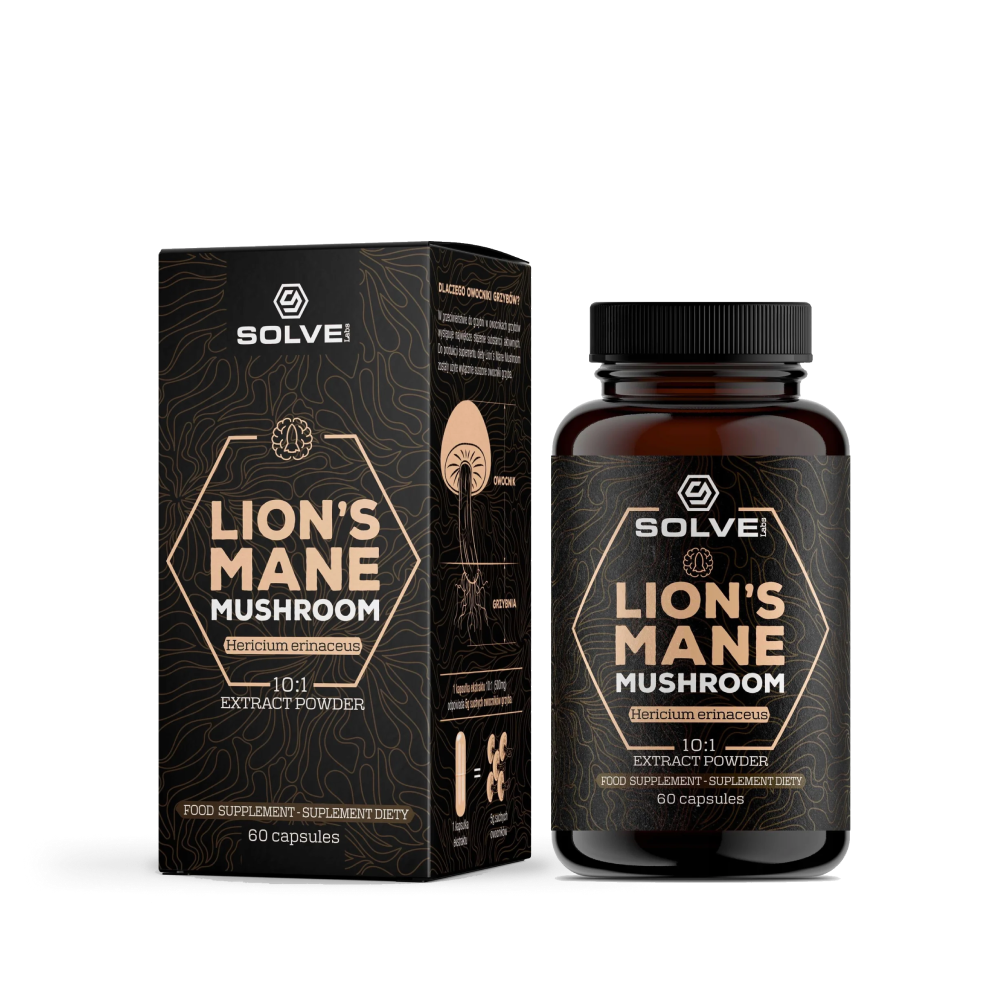
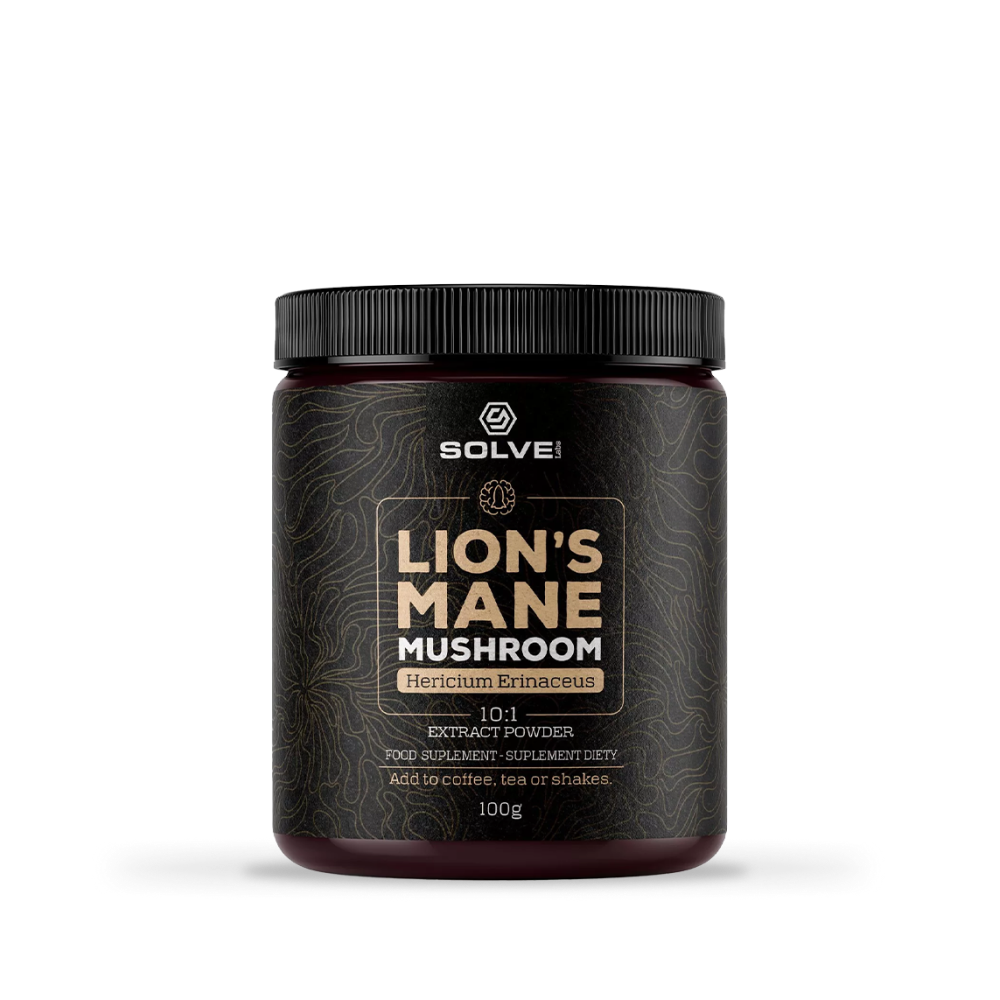
Lion's Mane (Hericium erinaceus) is the only functional mushroom with compounds, hericenones and erinacines, that cross the blood-brain barrier and directly stimulate Nerve Growth Factor (NGF) production. NGF supports the growth, maintenance, and repair of neurons, including the myelin sheath that insulates nerve fibers. In plain terms: it helps your brain rebuild and maintain the wiring that focus and memory depend on.
Human clinical evidence is promising but still limited in scale, most landmark findings come from animal models or small trials. A 2009 double-blind, placebo-controlled study published in Phytotherapy Research found significant cognitive improvements in older adults with mild cognitive impairment after 16 weeks of Lion's Mane supplementation. Those results reversed after cessation, which tells you something important: consistency is the active ingredient.
Best for: persistent brain fog, slow recall, difficulty sustaining focus through the afternoon.
Reishi → stress, sleep, immune resilience
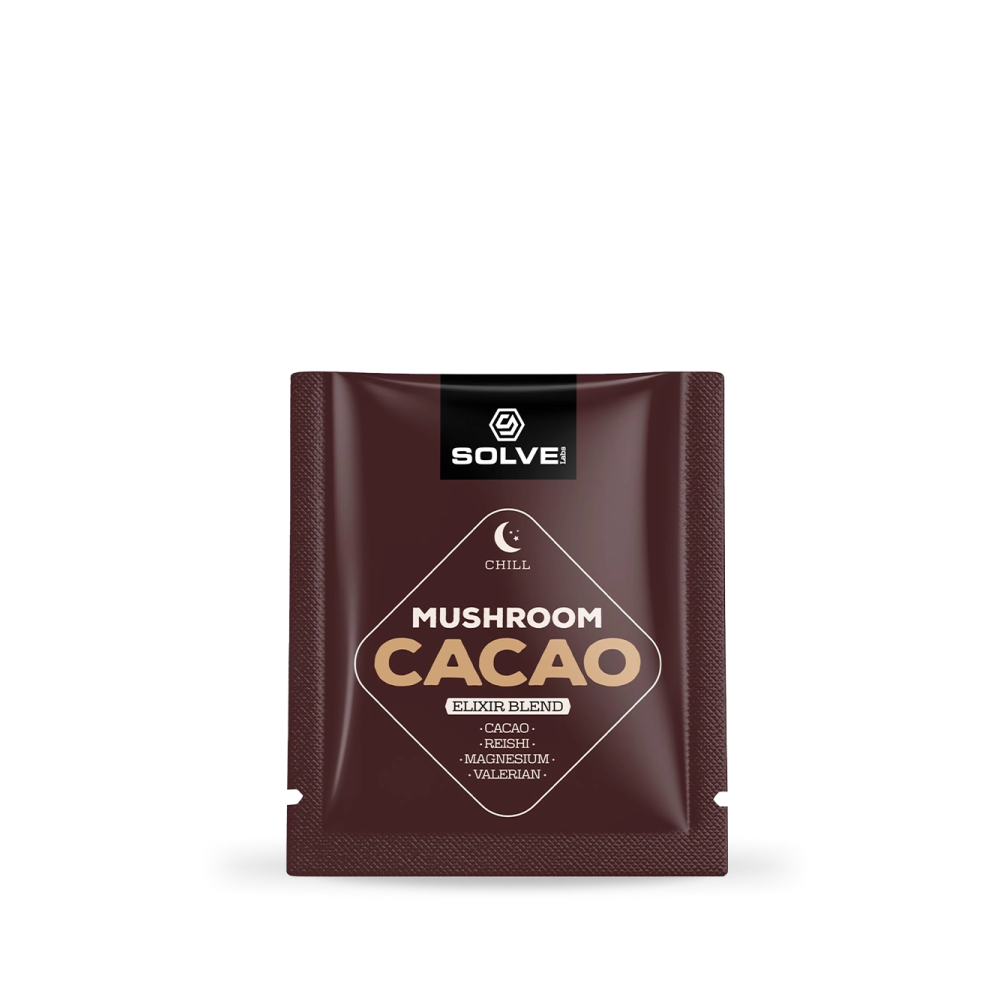
Reishi (Ganoderma lucidum) contains over 130 identified triterpenes, a class of compound with documented anti-inflammatory and anxiolytic properties. These triterpenes interact with the nervous system to reduce cortisol signaling and promote parasympathetic (rest-and-digest) tone. The result: a quieter nervous system, easier sleep onset, and reduced physiological stress response over time.
It's the mushroom to reach for when your problem isn't low energy, it's an inability to switch off. Reishi works at the other end of the arousal curve from Cordyceps.
Best for: restless sleep, low-grade anxiety, recovering from periods of high stress.
Chaga → antioxidant defense, immunity, skin
Chaga (Inonotus obliquus) grows on birch trees in cold climates and concentrates compounds from its host, particularly betulinic acid and melanin, giving it one of the highest Oxygen Radical Absorbance Capacity (ORAC) scores measured in any natural substance. It's a potent antioxidant first, an immune modulator second.
Where Lion's Mane targets a specific neurological pathway and Reishi targets stress hormones, Chaga works more broadly, neutralizing free radicals, supporting skin integrity, and reinforcing baseline immune surveillance. Think of it as systemic maintenance rather than a targeted fix.
Best for: general immune support, oxidative stress from training or poor sleep, anyone wanting a broad-spectrum antioxidant without a synthetic supplement.
Cordyceps → energy, endurance, VO₂ max
Cordyceps (Cordyceps militaris) contains cordycepin, an adenosine analog that supports cellular ATP production and oxygen utilization. ATP is the currency your cells use for energy. More efficient ATP synthesis means more available energy at the cellular level, without the adrenaline spike of caffeine. Cordyceps has also been shown to support VO₂ max, the rate at which your body can use oxygen during exercise, making it the most performance-relevant mushroom in this group.
Best for: low energy unrelated to sleep deprivation, athletic performance, afternoon fatigue.
Extract vs. powder, the single most important label distinction
Most functional mushroom products on the market use raw mycelium powder, often grown on grain, then dried and encapsulated. The problem: grain residue inflates the weight, active beta-glucan content is low, and bioavailability is limited because the beneficial compounds are locked inside chitin cell walls that human digestive enzymes can't break down efficiently.
A hot water or dual (water + alcohol) extract breaks those cell walls and concentrates the actives. A 10:1 extract means 10kg of raw mushroom was reduced to 1kg of extract, so 500mg of extract is meaningfully different from 500mg of powder.
What to look for on a label: the word "extract," a listed beta-glucan percentage (ideally >20%), and the fruiting body (not just mycelium) as the source. If a label just says "mushroom powder" with no extraction ratio, treat it with skepticism.
How long before you feel anything, and why the timeline matters
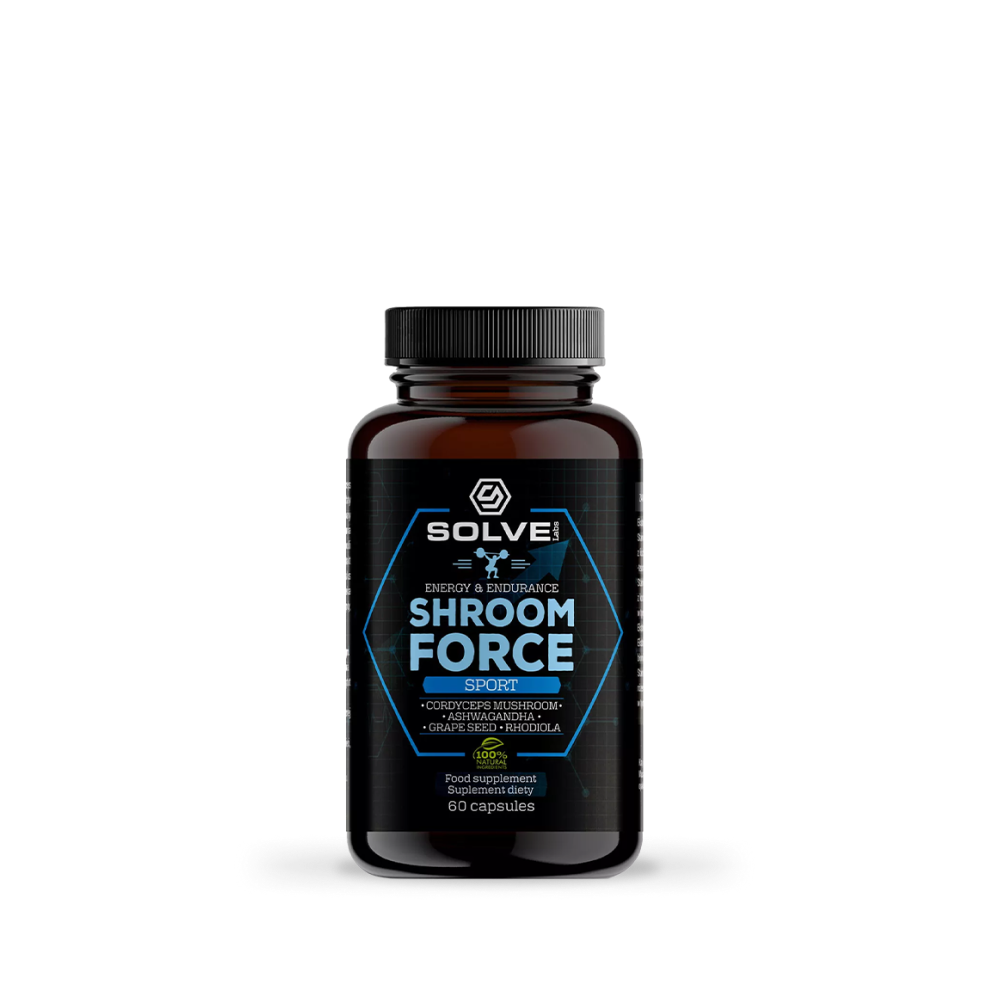
This is where most people quit too early. Functional mushrooms are adaptogens, their benefits accumulate with consistent use, not single doses. The honest timeline: noticeable effects on sleep and stress (Reishi) often appear within 2-3 weeks. Cognitive shifts from Lion's Mane typically require 4-6 weeks. Energy and endurance gains from Cordyceps can show up faster, some users report a shift within 1-2 weeks, but sustained improvement takes longer.
The standard recommendation from registered dietitians is 1,000-1,500 mg of extract equivalent per day, starting at the lower end to minimize the chance of digestive upset. Rare side effects include dizziness and loose stools, usually dose-dependent and transient. If you have low blood pressure or are managing blood sugar, check with a healthcare provider first, both Reishi and Cordyceps can influence those systems.
Format: capsules, powders, gummies, or functional food?
There's no universally superior format, only the right format for your habits.
- Capsules: Highest dose precision. Easiest to maintain consistency. Best if you want a clinical approach with no taste.
- Powders: Versatile, blend into coffee, smoothies, or oats. Slightly more variable dosing. Good for people who already have a morning ritual.
- Gummies: Best compliance for people who forget pills. Watch the dose, many gummies contain lower actives to manage taste and texture.
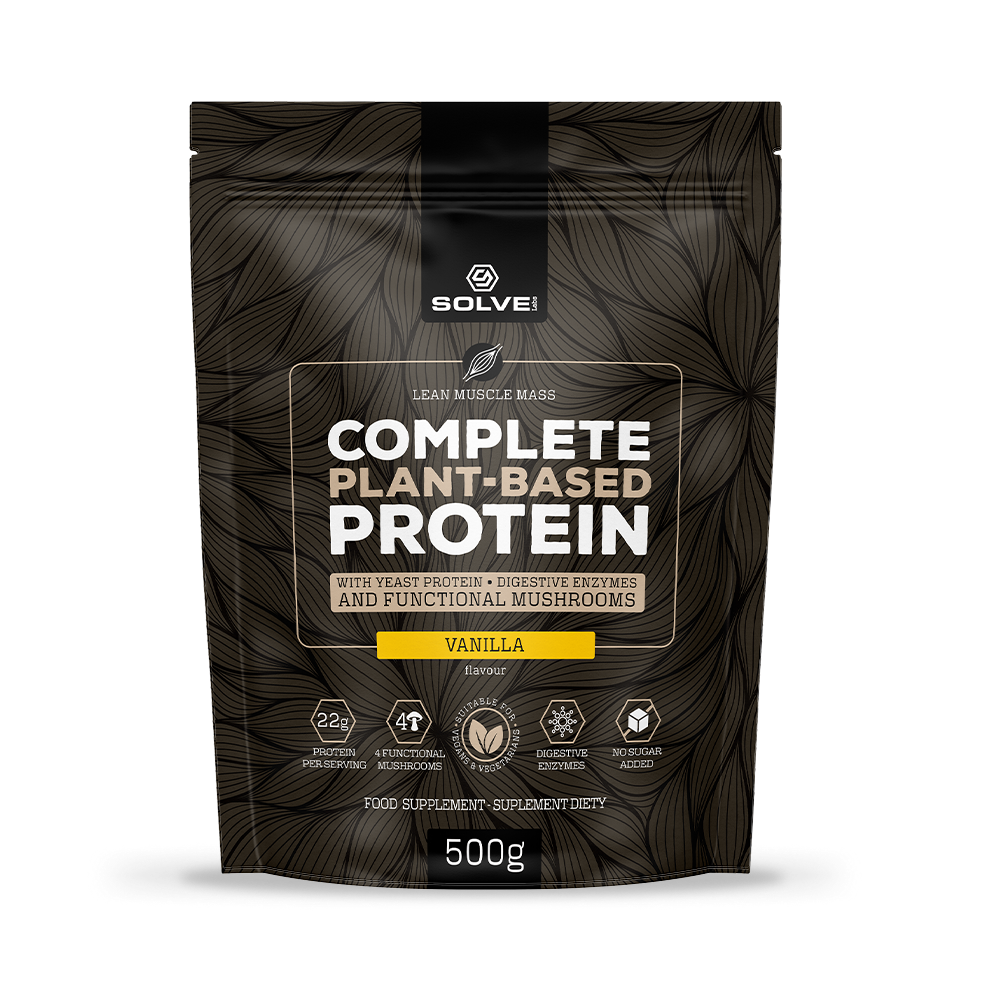
- Functional food formats (protein, coffee): The most practical entry point for people who want mushroom benefits without adding another step to their routine. Solve Labs' Mushroom Plant-Based Protein, for example, stacks Lion's Mane, Reishi, Chaga, and Cordyceps into a 22g protein serving, useful if post-workout recovery and cognitive support are both goals.
What weak evidence looks like, and when to be skeptical
Not all claims are equal. Beta-glucan immune modulation is well-supported by mechanistic and clinical research. NGF stimulation from Lion's Mane is real, but the jump from "stimulates NGF in rodents" to "reverses cognitive decline in humans" is still being closed by larger trials. Turkey Tail's PSK compound is clinically used in Japanese oncology to support immunotherapy, that's credible. Claims that any mushroom "cures" or "prevents" specific diseases are not.
The honest position: functional mushrooms are powerful tools for optimizing baseline function, immunity, cognition, energy, stress resilience. They are not pharmaceuticals. They don't replace medical treatment. They work best as part of a lifestyle that already includes decent sleep, movement, and nutrition.
Start with one mushroom matched to your primary problem. Give it six weeks. Measure subjectively, sleep quality, focus duration, how you feel mid-afternoon. That's your data.
- Mori et al., Hericium erinaceus and NGF stimulation review
- Beta-glucan immune modulation mechanisms (Dectin-1, CR3)
- Mori et al. (2009), Lion's Mane human trial, Phytotherapy Research
- Cordyceps militaris and ATP/VO₂ max mechanisms
- Turkey Tail PSK/PSP clinical use overview
- Reishi triterpenes and adaptogenic nervous system effects
Frequently asked questions
Can you take multiple functional mushrooms at the same time?
Yes, and many formulas are designed as stacks. The main reason to start with one is clarity: if you take four mushrooms simultaneously and feel better (or worse), you won't know which one drove the change. Start with the mushroom that targets your primary problem, run it for 4-6 weeks, then add a second if needed. There are no known negative interactions between the major functional mushrooms, but always introduce new supplements gradually.
Is there a difference between fruiting body and mycelium supplements?
Yes, and it matters. The fruiting body is the visible mushroom, it's where most of the beta-glucans, triterpenes, and active compounds concentrate. Mycelium is the root-like network, often grown on grain substrates in lab settings. Mycelium products aren't useless, but they typically have lower active compound density and may contain significant grain starch. Look for "fruiting body extract" on the label, and check for a stated beta-glucan percentage if immune support is your goal.
How do functional mushrooms compare to synthetic nootropics or adaptogens like ashwagandha?
They work differently and aren't mutually exclusive. Ashwagandha acts primarily on the HPA axis to reduce cortisol, fast-acting, well-studied for stress and testosterone. Synthetic nootropics (racetams, modafinil) are more aggressive interventions with stronger short-term effects and more significant side effect profiles. Functional mushrooms work via distinct pathways, NGF stimulation, beta-glucan immune modulation, ATP optimization, with slower onset and a gentler, cumulative effect. For most people without a specific clinical goal, functional mushrooms are a lower-risk, sustainable foundation; adaptogens like ashwagandha can layer on top. Synthetic nootropics are a different conversation entirely.
Mentioned in this article: Mushroom Plant-Based Protein from our range.
Disclaimer: These statements have not been evaluated by the Food and Drug Administration. This product is not intended to diagnose, treat, cure, or prevent any disease. Consult a healthcare professional before use.
