
Chaga for Immunity: Dosage, Timing, and Forms That Work
Chaga for Immunity: Dosage, Timing, and Forms That Work
- No human clinical trials have established an optimal chaga dose for immunity, current recommendations are extrapolated from preclinical data.
- A standardised water-soluble extract (250-500 mg, 1-2× daily) is the most evidence-aligned form; whole powder and tea deliver fewer active beta-glucans per gram.
- Immune effects lag: expect 2-4 weeks for macrophage priming signals, 4-8 weeks for measurable anti-inflammatory change, consistency matters more than timing.
- High oxalate content makes chaga risky for anyone with kidney stones, gout, or chronic kidney disease, a real contraindication, not a fine-print formality.
Here's the direct answer: optimal chaga dosage for immunity is 250-500 mg of a standardised dual-extract (10:1), taken daily for a minimum of 4-6 weeks. No human RCT has locked in a precise number, but preclinical research points clearly to specific compounds, credible dose ranges, and one form that consistently outperforms the rest. Below is the decision framework: which form, how much, when, and how to filter out the products that waste your money.
How chaga supports your immune system
Chaga (Inonotus obliquus) doesn't push immunity in a single direction, it modulates it. That distinction matters. Two compound classes carry most of the load.
Beta-glucans: priming your first line of defence
Chaga's water-soluble polysaccharides, primarily beta-glucans, interact with pattern-recognition receptors on immune cells, supporting the activation of macrophages and natural killer (NK) cells and helping them maintain readiness against pathogens. In preclinical models, chaga polysaccharides have been associated with enhanced macrophage surveillance activity. (Jayachandran et al. 2021) The operative word is prime: chaga may help raise baseline immune cell readiness rather than flooding the system with signals.
That bidirectional quality is one of chaga's more compelling properties. Animal studies suggest it may help support a balanced immune response, associated with modulation of cytokine activity, while simultaneously supporting defences when innate immunity is underperforming. (Géry et al. 2018) The mechanism isn't fully mapped in humans, but the adaptogenic logic is biologically coherent.
Triterpenoids: the anti-inflammatory layer
Chaga's triterpenes, inotodiol, betulinic acid, lanosterol, work through a separate pathway, with preclinical evidence suggesting they may help modulate pro-inflammatory cytokines, nitric oxide (NO), and COX-2 activity. (Glamočlija et al. 2015) This isn't the mechanism of an anti-inflammatory drug, it's gentler and cumulative. Think of it as potentially helping reduce background inflammatory noise over weeks, not extinguishing a flare overnight.
One important sourcing note: betulinic acid in chaga is largely derived from the birch substrate the fungus grows on, not synthesised by the fungus itself. Wild-harvested chaga from Siberian or northern Canadian birch trees consistently shows higher betulinic acid content than cultivated mycelium grown on grain or sawdust. That's a real compound difference, not a marketing distinction.
The melanin-hispidin complex: antioxidant and antiviral activity
Chaga's characteristic dark crust is a melanin-hispidin complex with notable antioxidant properties, associated with high superoxide dismutase (SOD)-like activity that may help neutralise reactive oxygen species (ROS) that would otherwise blunt immune cell function. (Glamočlija et al. 2015) A 2011 study by Shibnev and colleagues found this melanin complex may also help interfere with viral entry and early replication in vitro. (Shibnev et al. 2011) The research is preliminary and hasn't been replicated at scale in humans, but the mechanism is coherent and worth tracking.
The form question, this is where most products fail
The gap between a weak chaga product and a well-formulated one is larger here than in almost any other functional mushroom category. Form determines which compounds you actually receive.
| Form | Active delivery | Practical trade-off |
|---|---|---|
| Whole dried powder | Beta-glucan content varies by source and quality; no extraction step to concentrate actives | High dose required; chitin cell walls limit bioavailability; no extraction step |
| Chaga tea (2-4 g dried per cup) | Water-soluble polysaccharides released; triterpenoids largely absent (not water-soluble) | Gentle, traditional, but misses the entire triterpene and betulinic acid fraction |
| Water extract (standardised) | Concentrated beta-glucans; strongest immune polysaccharide delivery | May miss alcohol-soluble triterpenes unless dual-extracted |
| Dual extract (water + alcohol) | Full-spectrum: polysaccharides + triterpenes + betulinic acid | Most complete; the benchmark form for immune and anti-inflammatory goals |
Water-only extracts capture the immune polysaccharides but leave the triterpenes behind. Alcohol-only extracts do the reverse. A dual-extracted product, water and ethanol, is the only form that delivers the full compound profile the research is built on. Check the label or ask the brand directly. If they can't answer, that's your answer.
Dosage: working from preclinical data, honestly
No human RCT has confirmed an exact immune-optimising dose. What exists is a working range built from preclinical data and functional practitioner consensus, and it's more useful than nothing, as long as you know what it is.
- Whole powder: ~2,000 mg/day is a common functional range. Actual active compound delivery depends on the standardisation and quality of the source material.
- Concentrated extract (8:1 or 10:1): 250-500 mg, taken once or twice daily. A 10:1 extract means 10 kg of raw chaga concentrated to 1 kg of finished extract, at 500 mg per serving, you're getting the active-compound equivalent of 5 g of whole chaga in a fraction of the volume. (Healthline dosage overview)
- Tea: 2-4 g dried chaga per cup, 1-2 cups daily, functional for polysaccharide delivery, but structurally incomplete as outlined above.
The practical argument for standardised capsules over raw powder: predictable potency, no guesswork. If the label doesn't state a beta-glucan or polysaccharide percentage, you have no way to verify what you're actually taking. (Examine.com evidence summary)
Timing: your daily protocol
Chaga is not an acute supplement, it doesn't work like vitamin C taken at the onset of a cold. Here's the concrete protocol the evidence supports:
- Weeks 1-2: Start at 250 mg of a standardised dual-extract once daily. Anchor it to an existing morning or evening routine, coffee, breakfast, or wind-down. Consistency is the only variable that matters here.
- Weeks 3-4: If well-tolerated, increase to 500 mg daily, split into two 250 mg doses (morning and evening) if preferred. Preclinical research suggests the immunomodulatory mechanisms associated with chaga polysaccharides involve sustained receptor engagement over time rather than acute single-dose effects. (Jayachandran et al. 2021)
- Weeks 5-8: This is the window where cumulative support of immune-related pathways is most plausible, based on the immunomodulatory mechanisms outlined in the research literature, though individual responses will vary and human trial data remains limited. (Géry et al. 2018)
- Ongoing: Maintain the daily dose. With or without food, no strong evidence favours either. Morning use pairs naturally with Solve Labs' Chaga Capsules or a mushroom coffee format; evening use suits a wind-down stack.
If you take chaga for a week and feel nothing, that tells you almost nothing about whether it's working. The mechanism is cumulative receptor priming, not a single-dose spike. Build the habit, hit the 4-6 week mark, then assess.
Red flags: how to filter out bad products
The functional mushroom market is full of underdosed, poorly sourced products that borrow chaga's reputation without delivering its active compounds. Run every product against this checklist before you buy.
- "Mycelium on grain" with no fruiting body disclosure: If the label says mycelium biomass and the substrate is oats or rice, a significant portion of what you're taking is starch filler, not chaga. Look for fruiting body extract or wild-harvested whole sclerotium.
- No beta-glucan or polysaccharide standardisation: A quality extract states polysaccharide or beta-glucan content (look for ≥20-30%). Milligrams alone, without standardisation, cannot verify potency.
- No extraction method disclosed: If a brand won't confirm whether their product is water-extracted, alcohol-extracted, or dual-extracted, treat it as whole powder at best, and price it accordingly.
- No third-party testing or DNA verification: Mushroom species adulteration is documented in the supplement industry. DNA verification of source material is the gold standard for species confirmation, not just a premium marketing claim.
- No sourcing transparency: Wild-harvested Siberian or northern Canadian birch chaga is the benchmark for betulinic acid content. Cultivated mycelium on alternative substrates will not match it.
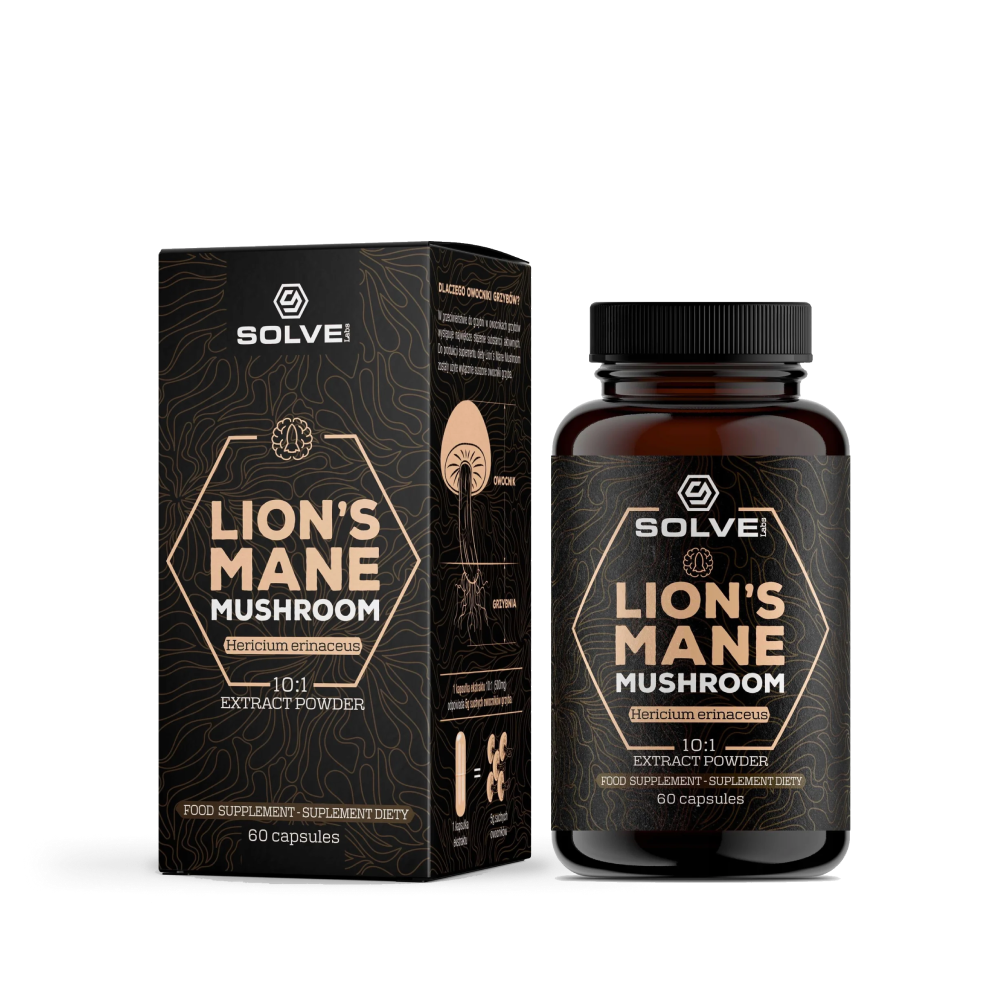
Solve Labs' Chaga Capsules use a 10:1 fruiting body extract, wild-harvested and DNA-verified, that's the specification to benchmark against when comparing options.
The safety caveat that isn't optional reading
Chaga is high in oxalates, significantly higher than most dietary sources. A documented case of oxalate nephropathy has been associated with excessive chaga consumption. (Oxalate nephropathy case report, 2011) If you have a history of kidney stones (especially calcium oxalate stones), gout, or chronic kidney disease, chaga may not be the right immune support tool for you. Healthy individuals at standard doses face low risk, but this contraindication deserves to be stated plainly, not buried.
What chaga won't do
It won't prevent colds in any verified, controlled sense. This product is not intended to diagnose, treat, cure, or prevent any disease, and no human trial supports such claims. The preclinical mechanisms are genuinely compelling, the human evidence simply isn't there yet. (Examine.com) Use chaga as a long-term immune foundation, not an acute intervention, and you're working with the science rather than against it.
- Géry et al., Chaga: A Super-Fungus? (2018 review, immunomodulatory mechanisms)
- Glamočlija et al., Chemical characterisation and biological activity of Inonotus obliquus
- Healthline: Chaga Mushroom — Uses, Benefits, and Side Effects (dosage and safety overview)
- Examine.com: Chaga evidence summary (evidence gap acknowledgment)
- Shibnev et al., Antiviral activity of melanin-hispidin complex (2011)
- Jayachandran et al., Chaga mushroom: A super-fungus with countless facets (beta-glucan receptor binding, safety)
- Oxalate nephropathy linked to Inonotus obliquus consumption (kidney safety case report)
Frequently asked questions
Can I take chaga every day long-term, or should I cycle it?
There's no human data establishing a need to cycle chaga, and the adaptogenic effects appear to build with consistent use. Most practitioners suggest taking it daily for 8-12 weeks, then reassessing. If you're using it purely for immune maintenance, year-round daily use at standard doses (250-500 mg extract) is common and not associated with known tolerance issues, but given the oxalate concern, anyone with kidney risk factors should avoid long-term use entirely.
Is chaga tea as effective as a capsule extract for immunity?
Not quite. Tea releases water-soluble polysaccharides (your beta-glucan immune primers) effectively, but the triterpene fraction, including betulinic acid and inotodiol, which modulate NF-κB and inflammatory signalling, is not water-soluble. You lose that entire compound class in a hot-water preparation. A dual-extracted capsule or tincture delivers both fractions. Tea is a fine complement to your routine; it's not a full substitute for a standardised extract if immune modulation is the goal.
How do I know if a chaga supplement is actually dosed therapeutically and not just token amounts?
Check three things: (1) the extract ratio (8:1 or 10:1 fruiting body means meaningful concentration), (2) a stated beta-glucan or polysaccharide percentage on the label (look for ≥20%), and (3) third-party testing or COA availability. A product listing '500 mg chaga' with no extract ratio and no standardisation data could be raw powder with negligible active content. Transparent brands publish their COAs, ask for them if they're not on the site.
Mentioned in this article: Chaga Capsules from our range.
Disclaimer: These statements have not been evaluated by the Food and Drug Administration. This product is not intended to diagnose, treat, cure, or prevent any disease. Consult a healthcare professional before use.
