
Chaga Dosage: Safe Amounts, Timing & What to Avoid
Chaga Dosage: Safe Amounts, Timing & What to Avoid
- Chaga contains 14.2g of oxalates per 100g of powder, high daily doses (4-15g) have caused irreversible kidney damage requiring dialysis.
- Health Canada caps daily intake at 3.6g of dried Chaga specifically to reduce oxalate nephropathy risk, no clinical human trials confirm a safe long-term threshold.
- Chaga's bioactive compounds (beta-glucans, betulinic acid, SOD) show genuine antioxidant and immune-modulating effects in preclinical research, but human RCT data does not yet exist.
- Stop Chaga at least 2 weeks before surgery, its antiplatelet compounds measurably slow blood coagulation.
Here's what you need to know upfront: 1-2g of a concentrated Chaga extract daily, taken with food and water, sits within the safe ceiling established by Health Canada. Go above 4g daily for months on end and you're in documented kidney-damage territory. Both of those things are true, and this guide gives you the full picture so you can use Chaga confidently, not recklessly.
What Chaga actually does in the body
Chaga's beta-glucans bind directly to immune cell receptors, Dectin-1 and CR3. The result: macrophages and natural killer cells primed for action, not vaguely "supported." Lee et al. (2015, Mycobiology) confirmed enhanced NK cell cytotoxicity from Chaga's beta-glucan fractions in vitro. That's a specific receptor-mediated mechanism, not a marketing claim.
Betulinic acid, drawn from the birch bark Chaga colonises, suppresses NF-κB signalling, cutting off the master switch for pro-inflammatory cytokine cascades. Kim et al. (2006, Bioresource Technology) showed Chaga hot-water extract reduced TNF-α and IL-6 in LPS-stimulated macrophages. Youn et al. (2009, International Journal of Molecular Medicine) replicated the NF-κB suppression and added downstream COX-2 inhibition to the picture.
Melanin complexes and superoxide dismutase (SOD) neutralise reactive oxygen species directly. Géry et al. (2018, Nutrients) found Chaga polysaccharides matched ascorbic acid's DPPH radical scavenging at equivalent concentrations, a meaningful benchmark.
The honest caveat: every one of these findings is preclinical, cell culture or animal models. No randomised controlled trials in humans exist yet. The mechanistic logic is sound; the clinical proof is still coming.
The oxalate problem, the risk most guides underplay
Chaga contains 14.2 grams of oxalates per 100 grams of powder. Spinach, already flagged as high-oxalate, comes in at roughly 0.97g per 100g. Chaga is approximately 15 times denser in oxalates than one of the most oxalate-rich vegetables people already moderate.
When oxalate load exceeds the kidney's clearance capacity, calcium oxalate crystals deposit in renal tubules, triggering tubular atrophy, scarring, and in severe cases, irreversible kidney failure. This is not theoretical. A documented case recorded a 72-year-old patient consuming 4-5 teaspoons (approximately 10-15g) of Chaga daily for six months, ending in acute oxalate nephropathy confirmed by renal biopsy, requiring permanent hemodialysis.
The critical detail: those doses sit squarely within traditional folk-medicine use. No clinical study has mapped the exact threshold where risk begins. The damage cases cluster at 4-15g per day, but there is no proven safe floor for long-term daily use at high doses. Conservative is the only rational default.
The dosage framework that actually makes sense
No therapeutic target exists in the clinical literature, so the right model is a risk-stratified ceiling, not a target dose. Here's how to think about it:
| Tier | Daily dose (dried equivalent) | Context |
|---|---|---|
| Regulatory ceiling | Up to 3.6g | Health Canada's maximum for powder/extract, set specifically to reduce oxalate nephropathy risk |
| Practical conservative range | 1-2g (concentrated extract) | Right for most healthy adults, lower oxalate load than raw powder at equivalent bioactive delivery |
| Avoid | 4g+ daily, sustained | Documented harm territory, no evidence of proportionally greater benefit at these doses |
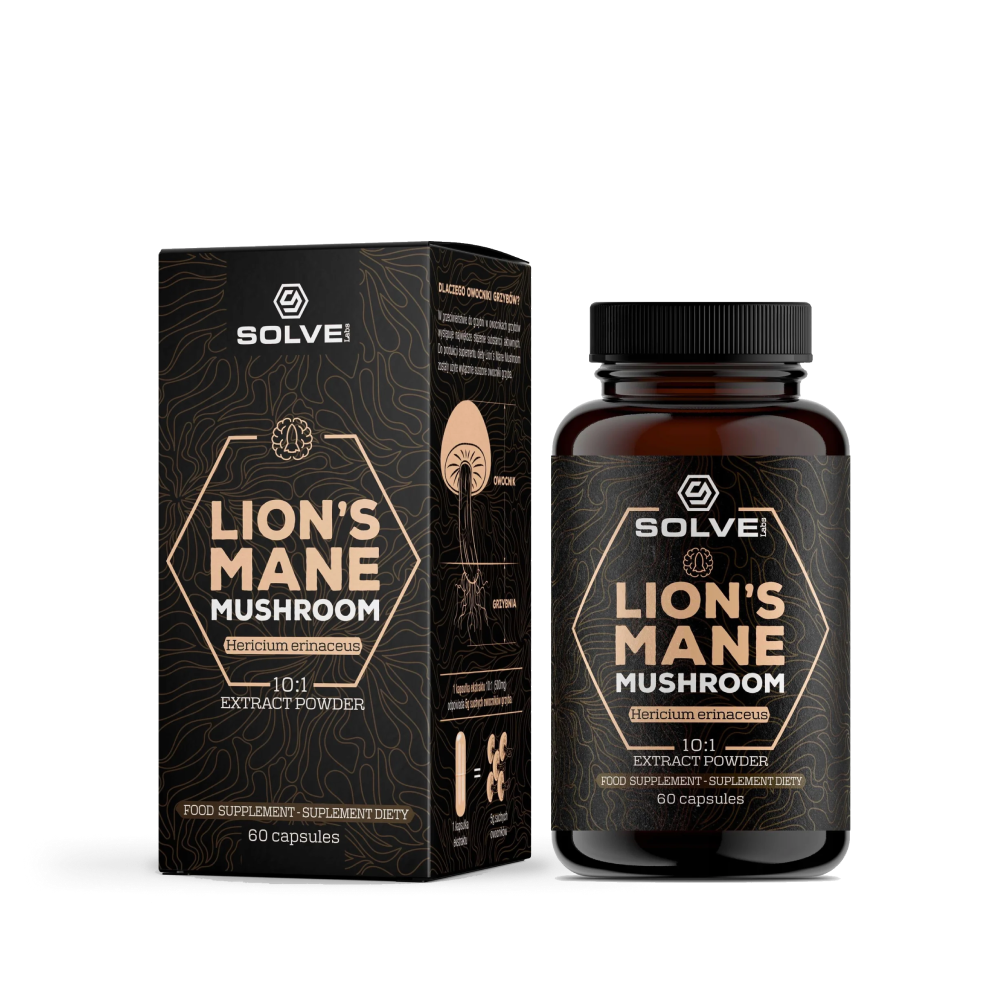
One distinction worth understanding: a 10:1 concentrated extract is not raw powder by weight. A 500mg capsule of 10:1 extract delivers the bioactive equivalent of 5g of raw powder, but hot-water extraction does not proportionally concentrate oxalates the way raw powder does. No published data precisely quantifies the difference, so erring conservative remains the right call regardless of format.
Timing: where Chaga fits in your day
Chaga contains no stimulant compounds. It won't sharpen focus acutely the way Lion's Mane or Rhodiola might, its effects are cumulative and systemic. Immune modulation and antioxidant defence build over weeks, not hours. Timing matters less for effect and more for two practical reasons:
- Take it with food. Dietary calcium binds oxalates in the gut, reducing renal oxalate load. A calcium-containing meal, dairy, fortified plant milk, leafy greens, is a straightforward harm-reduction step every time you dose.
- Hydrate well on days you take it. Higher fluid intake supports oxalate excretion. Standard advice for any elevated oxalate source, and non-negotiable here.
Morning or midday works best for most people, not because Chaga is stimulating, but because it keeps dosing in the part of the day you're most likely to stay consistent.
Who should not take Chaga
This isn't a footnote. It's central to the dosage conversation.
- Kidney disease or a history of kidney stones: Existing renal impairment dramatically lowers the threshold for oxalate harm. Avoid entirely, no exceptions.
- Blood thinners or antiplatelet medications: Chaga carries measurable antiplatelet activity. Combined with warfarin, aspirin, or clopidogrel, bleeding risk increases. Speak to a doctor before using.
- Pre-surgery: Stop at least two weeks before any scheduled procedure, standard protocol for any supplement with anticoagulant activity.
- Diabetes medications: Chaga may lower blood glucose. Stacked with insulin or oral hypoglycaemics, the additive effect can push into hypoglycaemia territory.
- Pregnancy and breastfeeding: No safety data exists. Default to avoidance.
Extract quality changes the equation
Raw dried powder, mycelium-on-grain products, and concentrated fruiting body extracts are categorically different, in bioactive density, oxalate load per serving, and absorption. Two numbers are worth checking on any Chaga label: extraction ratio and fruiting body sourcing.
Mycelium-grown products often contain significant grain starch with minimal active compounds. Wild-harvested Chaga from birch trees naturally metabolises betulinic acid from the substrate, farmed alternatives typically don't, because the compound comes from what the fungus grows on, not the fungus itself. That's not a positioning claim; it's basic fungal biochemistry.
Solve Labs' Chaga Capsules use a 10:1 fruiting body extract, DNA-verified and wild-harvested, the standard worth holding any Chaga product to before you commit to a dose.
The bottom line
Chaga's antioxidant and immune-modulating mechanisms are real, specific, receptor-mediated, and well-supported at the preclinical level. The oxalate risk is equally real: documented, severe, and irreversible once kidney damage occurs. Use a concentrated extract over raw powder. Stay well under 3.6g daily. Take it with food and water. Cycle off periodically. Skip it entirely if you have any kidney history or take anticoagulants. That's not overcautious, that's exactly what the evidence supports.
- Géry et al. (2018, Nutrients): Chaga polysaccharide antioxidant activity
- Kim et al. (2006, Bioresource Technology): Anti-inflammatory effects on macrophages
- Youn et al. (2009, Int J Mol Med): NF-κB and COX-2 inhibition
- Oxalate nephropathy case study: acute kidney failure from Chaga consumption
- Health Canada: 3.6g maximum daily intake guidance
Frequently asked questions
Is a 10:1 Chaga extract safer than raw powder in terms of oxalate load?
Likely yes, hot-water extraction concentrates polysaccharides and beta-glucans but does not proportionally concentrate oxalates the way raw powder does. However, no published study has precisely quantified oxalate content in standardised extracts versus whole powder. As a result, keeping total daily extract dose conservative (1-2g) remains the prudent approach regardless of extraction ratio.
Can I take Chaga every day long-term?
There is no clinical data confirming daily long-term use is safe. The documented kidney damage cases involved 4-15g daily over six months, but no lower threshold has been proven safe either. Many practitioners suggest cycling: 4-6 weeks on, 1-2 weeks off. If you have any kidney history, avoid long-term daily use entirely and consult a doctor.
Does Chaga interact with blood pressure medications?
Chaga has demonstrated blood-pressure-lowering effects in animal studies, which could theoretically compound the effect of antihypertensive drugs. The antiplatelet effect (relevant to blood thinners) is better documented. If you're on any cardiovascular medication, check with your prescribing doctor before adding Chaga, the interaction risk is real enough to warrant a conversation, not just a label disclaimer.
Mentioned in this article: Chaga Capsules from our range.
Disclaimer: These statements have not been evaluated by the Food and Drug Administration. This product is not intended to diagnose, treat, cure, or prevent any disease. Consult a healthcare professional before use.
