
Chaga Coffee vs Chaga Tea: Caffeine, Benefits, Evidence
Chaga Coffee vs Chaga Tea: Caffeine, Benefits, Evidence
- The only reliable functional difference is caffeine: coffee-based chaga blends deliver a stimulant (typically 40-100 mg per serving); pure chaga tea has none.
- Chaga's core actives, beta-D-glucans, inotodiol, ergosterol peroxide, polyphenols, are present in both formats, but nearly all supporting data is preclinical (animal/lab), not human.
- There is no clinical trial comparing chaga coffee to chaga tea, and Cleveland Clinic experts note there's insufficient evidence that mushroom benefits survive being brewed with coffee.
- No optimal human dose has been established for chaga in either form; the actual concentration of active compounds in a brewed cup is unknown and variable.
- What chaga is, and what actually separates the two drinks
- How chaga works in the body
- What the evidence actually says
- Is chaga coffee's benefit claim tested? No.
- Chaga coffee vs chaga tea: which should you choose?
- Health benefits: what's plausible, and how strong is the evidence?
- How much to take, and how long until it works
- Side effects and risks, volunteered before you ask
- Who should take which?
- Related guides
The single verifiable difference between chaga mushroom coffee and chaga tea is caffeine: coffee-based blends layer a stimulant on top of the mushroom, while pure chaga tea delivers none. Beyond that, both formats carry the same class of chaga compounds, beta-D-glucans, polyphenols, inotodiol, ergosterol peroxide, and here honesty matters more than marketing: no human trial has compared the two, and almost every benefit attributed to chaga rests on animal and cell studies, not people [1][2][3]. Choose based on whether you want caffeine, not on a promised difference in "potency" that the evidence cannot currently support.
Evidence grade for chaga health claims: low (preclinical-dominant). Last reviewed against available literature; no human dosing standard exists.
| Factor | Chaga Mushroom Coffee | Chaga Tea |
|---|---|---|
| Caffeine | Yes, typically ~40-100 mg/serving from added coffee | None (chaga contains no caffeine) |
| Key chaga actives | Beta-D-glucans, polyphenols, inotodiol, ergosterol peroxide [4][5] | Same compounds [4][5] |
| Primary use case | Stimulant energy + chaga compounds in one cup | Chaga compounds without stimulant effect |
| Typical human dose | Not established, variable per serving [2] | Not established, variable per steep [2] |
| Taste | Coffee-forward, roasted/bitter | Earthy, mild, vanilla/woody notes |
| Best for | Those wanting morning stimulation | Caffeine-avoiders, evening use |
| Evidence strength | Low, mushroom-coffee claims untested [3] | Low, chaga human data limited [1][2] |
What chaga is, and what actually separates the two drinks
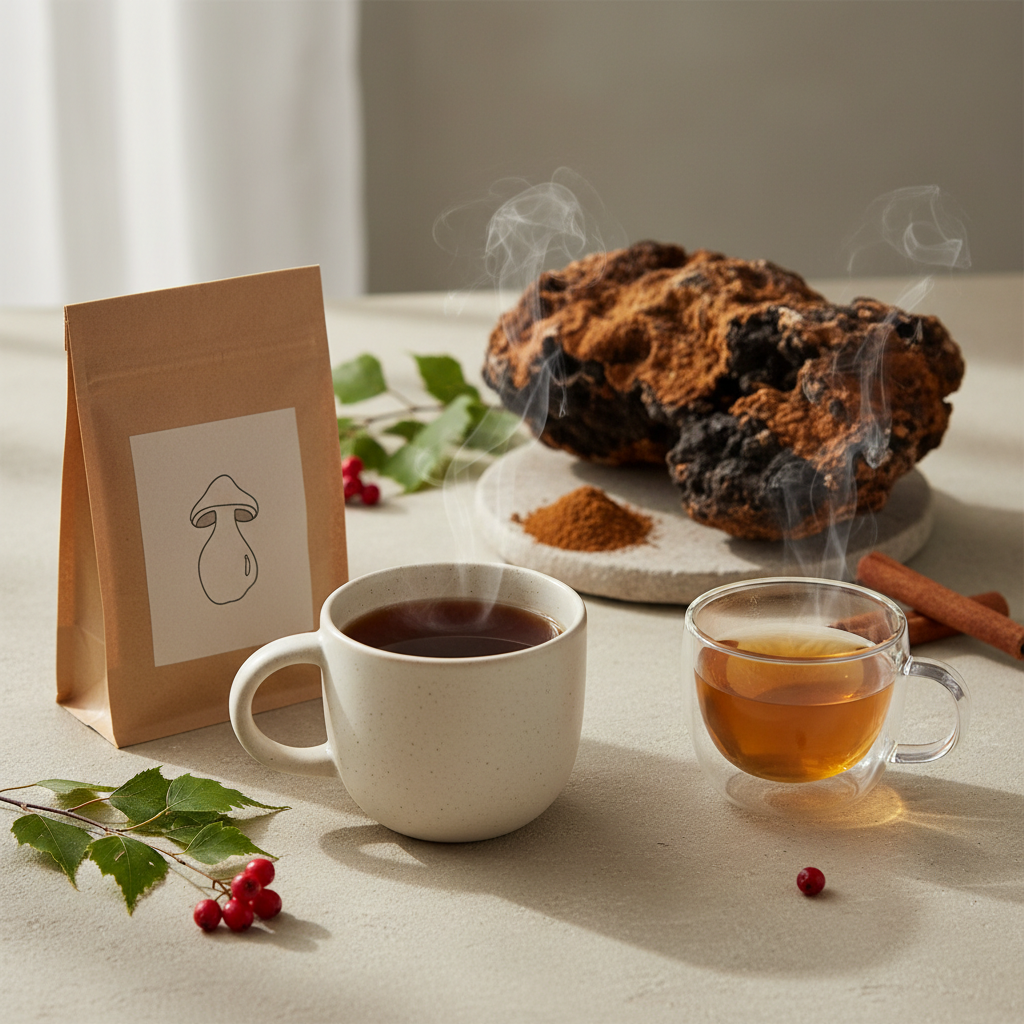
Chaga (Inonotus obliquus) is a parasitic fungus that grows primarily on birch trees, harvested as a hardened, charcoal-like mass called the sclerotium. The sclerotium's dark outer crust is where the polyphenols concentrate, the free-radical-scavenging compounds behind chaga's reputation [4]. That's a sourcing detail worth knowing: a product using ground fruiting-body dust rather than the extracted sclerotium is not delivering the same chemistry.
Chaga tea is chunks or powder steeped or simmered in hot water, a slow water extraction that pulls the water-soluble fraction, chiefly beta-D-glucans and polyphenols. Chaga coffee is a blend: ground coffee or instant coffee extract combined with chaga extract, often alongside other functional ingredients such as ashwagandha or lion's mane. The mechanistic split is clean, coffee adds caffeine and its stimulant effect; tea does not. Everything else is shared chemistry under the same evidentiary ceiling.
One nuance most articles skip: many of chaga's most-cited actives, such as inotodiol and betulinic acid, are triterpenoids that are poorly water-soluble. A hot-water brew, coffee or tea, preferentially extracts the beta-glucans and polyphenols, not the fat-soluble triterpenes. So the beverage forms overlap heavily but are not chemically identical to the alcohol-extracted concentrates used in the lab.
How chaga works in the body
Chaga's proposed mechanisms are reasonably well-characterized in the lab, even if unconfirmed in humans. The mechanism comes first, the recommendation follows the data.
- Immune modulation: Chaga is rich in beta-D-glucans, polysaccharides that act as immunomodulators, priming immune activity when needed and downregulating it when overactive [4]. Animal studies show chaga increases production of interleukin-6 (IL-6) and T lymphocytes and stimulates spleen lymphocytes [4].
- Antioxidant capacity: Chaga carries one of the highest ORAC (Oxygen Radical Absorbance Capacity) values of any food, driven by the sclerotium polyphenols that neutralize free radicals [4]. Human efficacy, liver protection, for instance, remains unconfirmed [4].
- Anti-inflammatory action: Compounds including betulinic acid, inotodiol, and ergosterol peroxide inhibit cytokines such as tumor necrosis factor alpha (TNF-α) [4]. In an animal model of ulcerative colitis, chaga extract reduced colonic inflammation by suppressing inflammatory mediators [4].
These are effects seen in cells and rodents, full stop. "A cup of chaga tea will modulate your immune system" is a claim the human data has not earned, and we won't make it for you.
What the evidence actually says
The hard limit up front, large-scale human research on chaga is still limited, and safety, optimal dosage, and side effects have not been evaluated in clinical studies [1][2]. The promising findings are all preclinical:
- Anticancer (preclinical only): In one animal study, tumor-bearing mice given chaga extract showed a 60% reduction in tumor size, and metastatic mice saw a 25% decrease in nodule count [4]. Inotodiol has shown antitumor activity against cervical cancer cells in preclinical models [4]. None of this has been demonstrated in humans, and it does not mean chaga treats cancer.
- Blood sugar (animal data): Chaga polysaccharides lowered blood sugar in animal models, with one study reporting a 31% decrease; the proposed mechanism involves beta-D-glucans improving insulin resistance [4]. Human confirmation is needed.
- Endurance (animal data): A 2015 study found mice given chaga polysaccharides could swim longer, with increased muscle and liver glycogen and lower bloodstream lactic acid [6].
Here's the detail that decides everything, none of these studies used brewed tea or coffee. They used concentrated, often alcohol-extracted, standardized doses. A beverage may or may not replicate them, and nobody has measured whether it does. That gap is the whole ballgame.
Is chaga coffee's benefit claim tested? No.
There is no meaningful research supporting the specific health claims on mushroom-coffee products. The core assumption, that mushroom benefits survive roasting, extraction, and brewing alongside coffee, is an untested hypothesis [3]. Cleveland Clinic experts say it plainly: there isn't enough research to confirm the benefits of mushrooms continue when brewed with coffee [3].
So the accurate framing is this, chaga coffee reliably delivers caffeine and its measurable stimulant effect. Whether it delivers a therapeutic dose of chaga's actives is unverified, and the same caveat applies to tea. Buy chaga coffee for the caffeine and the convenience; treat any mushroom benefit as plausible upside, not a guarantee.
Chaga coffee vs chaga tea: which should you choose?
The decision reduces to one variable you can actually measure, caffeine, plus practical preferences.
| If you want… | Choose | Why |
|---|---|---|
| Morning energy / stimulant effect | Chaga coffee | Coffee provides caffeine (~40-100 mg/serving); chaga itself contains none |
| Evening or afternoon use without disrupting sleep | Chaga tea | No caffeine means no impact on sleep onset |
| To cut coffee's jitters and acidity but keep a warm ritual | Chaga tea | Milder, earthier, lower acidity than coffee |
| One drink that replaces your regular coffee | Chaga coffee | Familiar taste and format, single-cup convenience |
| Caffeine sensitivity, pregnancy, or anxiety concerns | Chaga tea | Avoids the stimulant load entirely |
On taste: chaga coffee is coffee-forward, roasted and bitter, with the mushroom recessed into the background. Chaga tea is earthy and woody, closer to a mild black tea or a dark, faintly vanilla-tinged decoction. Neither is unpleasant, but in a blend, coffee flavor dominates.
Health benefits: what's plausible, and how strong is the evidence?
Both formats carry the same chaga compounds, so the mushroom benefit profile is identical between them, only the caffeine differs. Benefits, separated from their evidence grade:
- Antioxidant support, mechanism: polyphenol free-radical scavenging; evidence: moderate in vitro, unconfirmed in humans. Chaga's very high ORAC value is real, but a high ORAC in a test tube does not automatically translate to a measurable outcome in a person [4].
- Immune modulation, mechanism: beta-D-glucan signaling, IL-6 and T-lymphocyte stimulation; evidence: animal only. Consistent across rodent studies, no human immune-outcome trials [1][4].
- Anti-inflammatory effect, mechanism: TNF-α and cytokine inhibition; evidence: animal only. Shown in a colitis model, not in human inflammatory disease [4].
- Blood-sugar regulation, mechanism: beta-D-glucans, improved insulin resistance; evidence: animal only, ~31% reduction in one study [4].
- Endurance / anti-fatigue, mechanism: increased glycogen storage, reduced lactic acid; evidence: animal only, from swimming-mouse studies [6].
- Stimulant energy, mechanism: caffeine adenosine-receptor antagonism; evidence: strong and human-proven, but this comes from the coffee, not the chaga. It exists only in the coffee format.
The honest summary: the strongest, most reliable benefit in "chaga coffee" is the caffeine, a compound chaga does not contain. The mushroom's own benefits remain preclinical for both drinks.

How much to take, and how long until it works
No optimal human dosage has been established for chaga in any form [2]. Animal studies use standardized extracts at controlled concentrations; a brewed cup of chaga coffee or tea contains an unknown, variable amount of active compounds [2]. This is exactly why proprietary-blend opacity is worth scrutinizing, if a product won't disclose how much chaga extract, and at what beta-glucan concentration, sits in each serving, you cannot know whether the dose is therapeutic or a token pinch for the label.
A useful framework we hold our own products to: dose disclosure, extract form, beta-glucan percentage, and sourcing (sclerotium vs. mycelium-on-grain). If a competitor lists a "blend total" but hides the chaga split, the fourth column is doing the marketing.
On timeline: the stimulant effect of caffeine in chaga coffee is immediate, peak plasma caffeine at roughly 30-60 minutes. Any mushroom-derived effect, if it exists in humans at all, would be gradual and is unverified. Do not expect a measurable immune or antioxidant change within days, and be skeptical of any product promising fast, dramatic results from the mushroom component.
Side effects and risks, volunteered before you ask
- Safety data is incomplete. Safety profiles and side effects for long-term human chaga consumption remain unverified [2]. Absence of documented harm is not proof of safety.
- Oxalates and kidney risk. Chaga is high in oxalates, a specific concern for anyone with kidney disease or a history of kidney stones. Caution is advised, and consultation with a clinician is warranted [5].
- Blood sugar and blood thinners. Given the animal-model blood-sugar effects, people on diabetes medication should monitor carefully; chaga may also interact with anticoagulant and antiplatelet drugs. Discuss with a physician before use [5].
- Caffeine (coffee format only). Chaga coffee adds the usual caffeine considerations, potential for jitters, elevated heart rate, disrupted sleep, and worsened anxiety in sensitive individuals. Tea avoids this entirely [3].
- Mild GI effects. As with many functional-mushroom products, transient bloating, soft stools, or mild nausea can occur in the first one to two weeks as your system adjusts.
Who should take which?
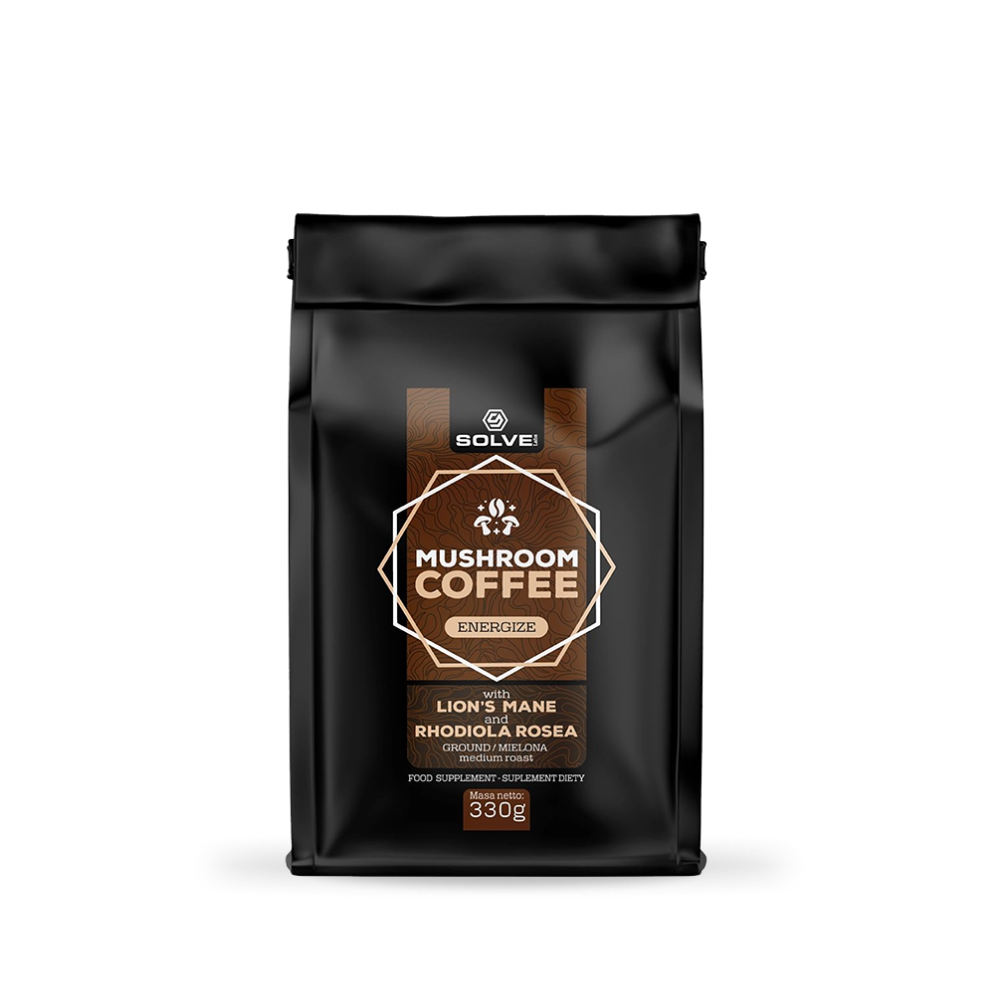
Chaga coffee suits people who already drink coffee, want the caffeine, and are comfortable treating any chaga benefit as unproven upside. Functional blends, a chaga-and-ashwagandha coffee such as the one in the Solve Labs range, for example, pair the stimulant with adaptogens for those specifically seeking that combination in a single morning cup.
Chaga tea suits caffeine-avoiders: people sensitive to stimulants, evening drinkers, anyone managing anxiety, and those who want the earthy chaga ritual without touching their sleep. It's also the easier product to evaluate, fewer added ingredients means fewer places for undisclosed filler to hide.
Either way, the buying rule is the same: demand a disclosed chaga dose and, ideally, a stated beta-glucan percentage. If the label buries the amount inside a "proprietary blend," you have no way to confirm you're getting more than a token quantity, and no way to hold the claim to any standard.
Sources: [1] Mount Sinai, Chaga; [2] Healthline, Chaga mushroom; [3] Cleveland Clinic, Mushroom coffee; [4] Inonotus obliquus review (PMC7071358); [5] WebMD, Chaga health benefits and cautions; [6] Chaga polysaccharides and anti-fatigue/endurance in mice, 2015 (PubMed 26364939).
- Mount Sinai: Chaga overview and limited human data
- Healthline: Chaga benefits, dosage, and safety unknowns
- Cleveland Clinic: Is mushroom coffee good for you?
- Inonotus obliquus: bioactive compounds and antitumor mechanisms (review)
- WebMD: Chaga health benefits and cautions
- Chaga polysaccharides and anti-fatigue/endurance in mice (2015)
Frequently asked questions
Does chaga contain caffeine?
No. Chaga mushroom itself contains no caffeine. The stimulant effect in 'chaga coffee' comes entirely from the added coffee (typically around 40-100 mg per serving). Pure chaga tea is naturally caffeine-free, which is why it's the better choice for evening use or anyone sensitive to stimulants.
Is chaga coffee more effective than chaga tea?
There is no evidence that either is more effective for the mushroom's own benefits, no human trial has compared them, and Cleveland Clinic experts note there isn't enough research to confirm mushroom benefits survive being brewed with coffee. The only measurable difference is that coffee adds caffeine for energy; the chaga compounds and their (largely preclinical) benefits are the same in both.
How much chaga tea or coffee should I drink per day?
No optimal human dose has been established for chaga in any form, and the active-compound content of a brewed cup is unknown and variable. Because of this and incomplete long-term safety data, moderation is sensible, and anyone with kidney concerns (chaga is high in oxalates), diabetes, or on blood thinners should consult a clinician first.
Disclaimer: These statements have not been evaluated by the Food and Drug Administration. This product is not intended to diagnose, treat, cure, or prevent any disease. Consult a healthcare professional before use.
