
How to Stack Vegan Protein, Adaptogens & Nootropics
How to Stack Vegan Protein, Adaptogens & Nootropics
- At a Glance
- What Are Vegan Protein, Adaptogens, and Nootropics?
- How Does Each Category Work? The Mechanisms
- What Does the Evidence Actually Say?
- Health Benefits: What the Stack Actually Delivers
- How Much Should I Take? Dosage by Experience Level
- How Long Until It Works?
- Optimal Daily Timing: When to Take What
- Vegan Protein + Adaptogens + Nootropics: Why the Combination Is More Than the Sum
- What Are the Side Effects and Risks?
- Adaptogens vs. Prescription Stimulants: Key Differences
- Who Should Take This Stack?
- How to Verify Quality Before You Buy
- Related guides
Most supplement guides treat protein, adaptogens, and nootropics as separate categories competing for shelf space. They are not. They address three distinct biological bottlenecks, muscle repair, stress-axis regulation, and neural signaling, that interact directly with each other. Chronically elevated cortisol catabolizes muscle tissue and impairs memory consolidation. Insufficient amino acids starve neurotransmitter synthesis. A frayed HPA axis makes cognitive work feel like wading through concrete. Stack these three categories correctly, and you are solving each bottleneck while the others benefit. Ignore the interactions, and you are just taking more pills.
This guide covers the mechanisms, the honest evidence (including where it falls short), specific dosing, and how to time each category across a full day. You do not need to buy anything to use it.
At a Glance
| Category | Key Ingredients | Studied Dose | Primary Benefit | Evidence Strength |
|---|---|---|---|---|
| Vegan Protein | Pea, rice, hemp protein | 20-40g per serving | Muscle repair, satiety, neurotransmitter precursors | Strong (meta-analyses) |
| Adaptogens | Ashwagandha, Rhodiola rosea | 300-600mg/day (Ashwagandha); 200-400mg/day (Rhodiola) | Stress resilience, cortisol regulation, anti-fatigue | Moderate, Strong (effects build over weeks; not universal) |
| Nootropics | Lion's Mane, L-Theanine | 500-1000mg/day (Lion's Mane); 100-200mg/day (L-Theanine) | Focus, NGF stimulation, calm alertness | Moderate (promising; some findings preliminary) |
What Are Vegan Protein, Adaptogens, and Nootropics?
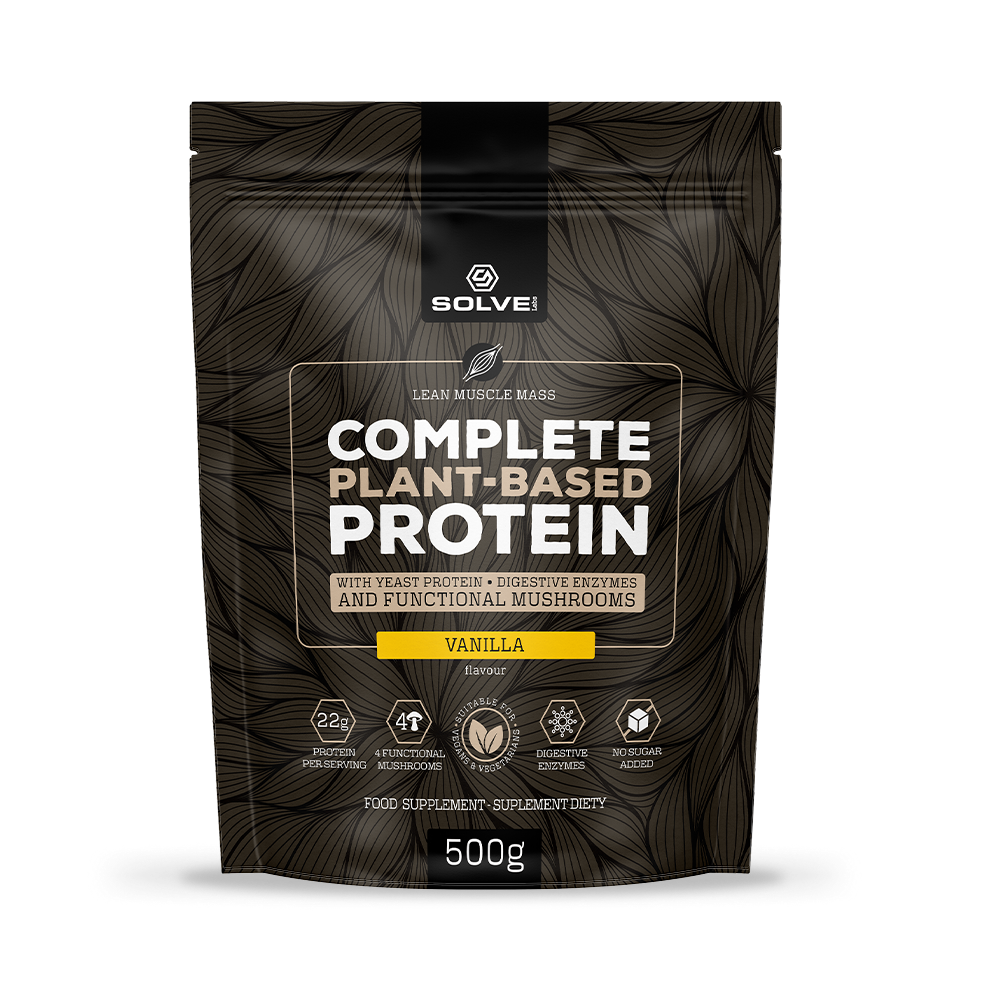
Vegan protein means plant-derived protein, pea, brown rice, hemp, pumpkin seed, supplying the essential amino acids your muscles need to repair training-induced micro-tears. The practical advantage over whey is not superiority; it is that plant proteins carry no dairy-related GI risk and stack cleanly with other compounds without digestive interference. A pea-plus-rice blend covers the complete essential amino acid profile, including leucine, the primary trigger for muscle protein synthesis.
Adaptogens are a pharmacologically specific class of botanicals, including Ashwagandha (Withania somnifera) and Rhodiola rosea, defined by their ability to non-specifically increase resistance to physical and psychological stress without overstimulating or sedating [1]. The word "adaptogen" has been diluted by marketing to mean almost any herb, but the actual pharmacological definition is narrow: the compound must be non-toxic at normal doses, produce a nonspecific stress-protective response, and normalize physiological function regardless of the direction of the stressor [1]. Ashwagandha and Rhodiola meet this bar. Many products labeled "adaptogenic" do not.
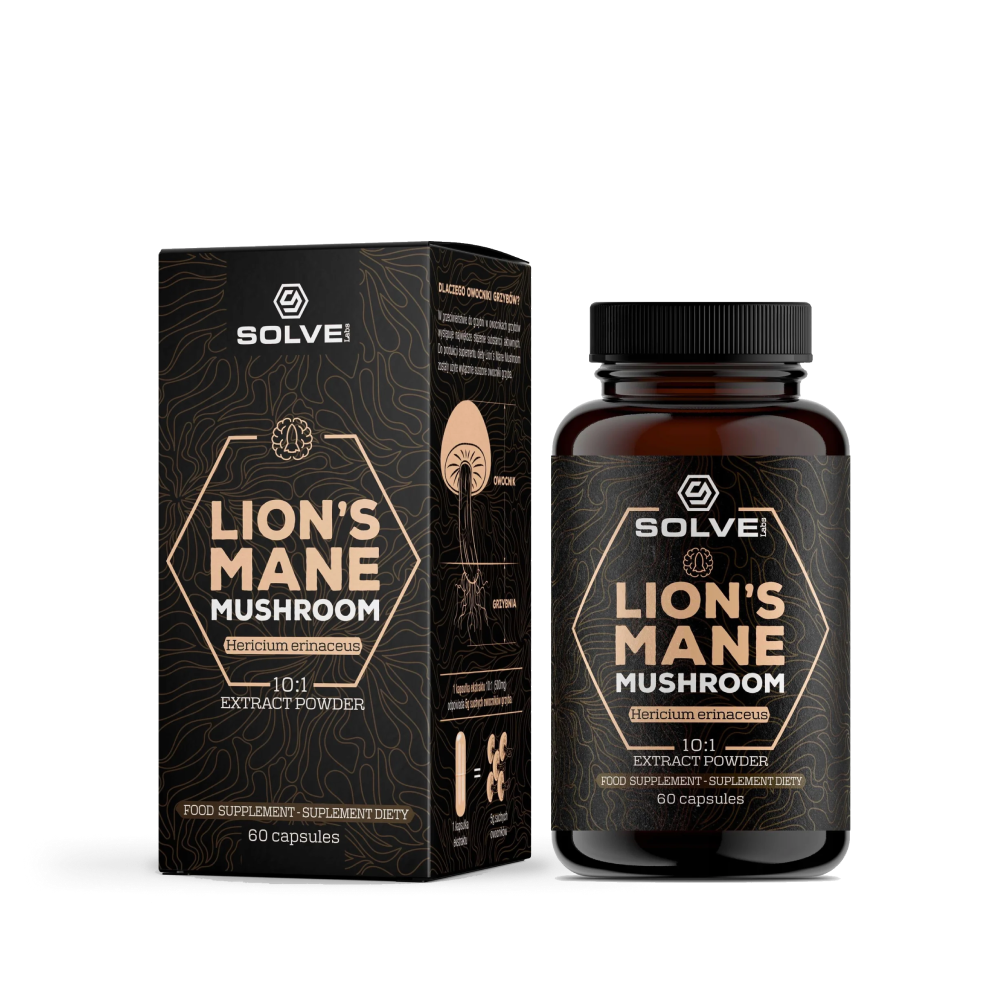
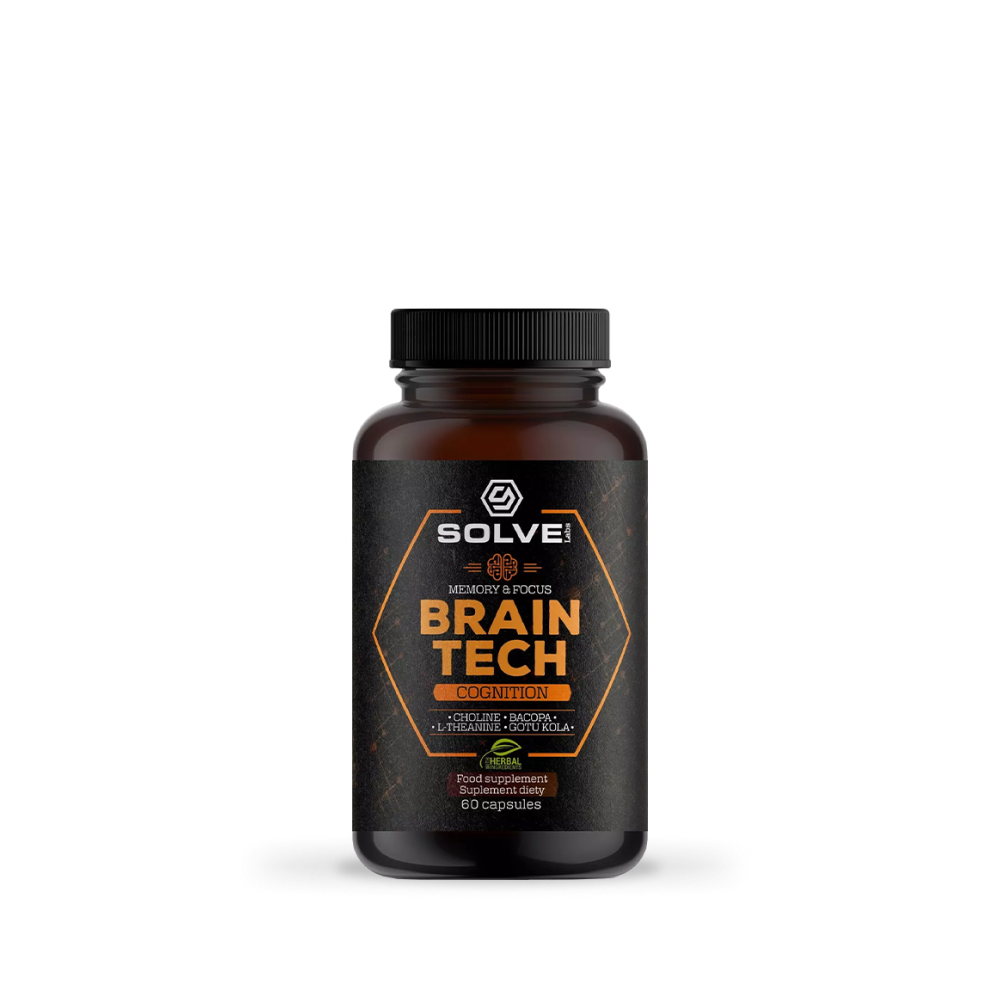
Nootropics are compounds that support cognitive function, focus, memory, mental energy, and long-term neural health. The term has the same marketing-dilution problem as adaptogens: caffeine is technically a nootropic, but so is Lion's Mane mushroom (Hericium erinaceus), which works through an entirely different mechanism. This guide focuses on Lion's Mane (nerve growth factor stimulation) and L-Theanine (GABA modulation, alpha-wave promotion), both with meaningful human trial data and distinct mechanisms from stimulants.
How Does Each Category Work? The Mechanisms
Adaptogens: HPA Axis Recalibration
Under stress, the hypothalamic-pituitary-adrenal (HPA) axis triggers cortisol release and upregulates nitric oxide (NO) production. Research on adaptogen combinations, including the well-studied ADAPT-232 blend, shows these botanicals reduce NO and cortisol output while simultaneously stimulating heat shock protein 70 (Hsp70) biosynthesis [1]. Hsp70 is a molecular chaperone, it repairs stress-damaged proteins and suppresses the gene expression pathway that produces stress-induced NO. That dual action, less cortisol flooding in, more repair happening simultaneously, directly explains the anti-fatigue and mood-stabilizing effects that users report and clinical trials measure [4].
Adaptogens also modulate dopamine and acetylcholine levels and improve cerebral blood flow and mitochondrial energy efficiency [4]. This is why their cognitive benefits appear in both high-stress and low-energy contexts, they are not pushing one neurotransmitter harder, they are optimizing the environment those neurotransmitters operate in.
Lion's Mane: NGF Stimulation
Lion's Mane contains two classes of neuroactive compounds, hericenones (found in the fruiting body) and erinacines (found in the mycelium), that stimulate nerve growth factor (NGF) synthesis [1]. NGF is essential for the growth, maintenance, and survival of neurons, particularly cholinergic neurons involved in memory and attention. This makes Lion's Mane structurally different from every other item in this stack: it is not modulating an existing system, it is supporting the physical maintenance of the neurons those systems run on.
The critical caveat: current evidence for neurodegenerative conditions like Alzheimer's is promising in animal models and small human pilots, but not yet confirmed in large clinical trials [1]. What is more firmly established is the NGF mechanism itself and its relevance to cognitive aging and neuronal maintenance in healthy adults.
L-Theanine: Alpha Waves and GABA Modulation
At 100mg, L-Theanine enhances GABA activity and promotes alpha-wave brain activity, the neural signature of relaxed alertness [5]. It does not sedate. It does not stimulate. It specifically reduces the anxiety component of high-arousal states without touching the alertness component. When combined with Ashwagandha's cortisol suppression and Lion's Mane's neural support, the result is what researchers describe as calm focus, present, alert, not wired. This is the mechanistic opposite of stimulant-driven focus, which floods dopamine and norepinephrine to force alertness at the cost of anxiety, vasoconstriction, and eventual crash.
Vegan Protein: The Foundation the Rest Runs On
Protein is not glamorous in this stack, but it is load-bearing in a way that gets underplayed. Serotonin requires tryptophan. Dopamine requires tyrosine. Acetylcholine requires choline, which comes partly from dietary protein. If you are running adaptogens and nootropics on a low-protein diet, you are optimizing a system that lacks raw materials. Plant protein blends combining pea and brown rice protein achieve a complete amino acid profile, including adequate leucine for muscle protein synthesis, that is functionally comparable to whey. The protein dose matters: 20g is a floor for most adults; 30-40g post-training is better supported by the muscle synthesis literature.
What Does the Evidence Actually Say?
A 2019 systematic review of Ashwagandha human trials found consistent reductions in perceived stress and cortisol at 300mg/day, but explicitly noted that not all studies found statistically significant changes in cognitive speed [3]. This is worth sitting with: Ashwagandha is a reliable stress modulator for most users, but it is not a universal cognitive enhancer. If your primary goal is acute focus rather than stress resilience, it is not the right lead ingredient.
A separate systematic review of nine adaptogen studies spanning 30 to 112 days found that multi-adaptogen stacks produced more consistent results than single-ingredient protocols, particularly for stress resilience and sustained cognitive performance [5]. The mechanism matters here: single adaptogens hit one node of the stress-response system; combinations address multiple nodes simultaneously, which explains why the effect size is more reliable. Effects built over 4-8 weeks in every trial reviewed, this is not a supplement you assess at day 10.
On real-world outcomes: 2021 data from adaptogen stack studies reports 68% of users experienced improved concentration and 54% reported reduced anxiety [5]. These are meaningful numbers, but the honest read is that roughly one in three users saw no concentration benefit. Supplement response varies with baseline stress load, sleep quality, diet, and individual HPA axis sensitivity. Anyone promising universal results is selling something.
One safety finding that deserves more attention than it gets: clinical evidence across multiple trials confirms herbal adaptogens exhibit no tolerance, addiction, or abuse potential [4]. At 30 to 112 days of continuous use, efficacy is maintained without dose escalation. This is a structural safety advantage over prescription stimulants, where tolerance is the rule rather than the exception.
Health Benefits: What the Stack Actually Delivers
- Stress resilience (Strong evidence): Ashwagandha at 300mg/day consistently reduces cortisol and perceived stress via HPA axis modulation across multiple RCTs [3][1]. The most reliable benefit in the stack.
- Improved concentration (Moderate evidence): 68% of users in multi-adaptogen stack studies report better focus at 4-8 weeks [5]. Mechanism: dopamine and acetylcholine balance, increased cerebral blood flow, mitochondrial efficiency [4]. Not universal.
- Anxiety reduction (Moderate evidence): 54% of users report reduced anxiety [5]. L-Theanine's GABA enhancement contributes directly without sedation [5]. Ashwagandha's cortisol reduction adds a second mechanism.
- Faster post-exercise recovery (Strong for protein; moderate for adaptogens): Vegan protein supplies amino acids for muscle repair. Adaptogens reduce oxidative stress markers post-exercise, though dedicated exercise-recovery trials are fewer than general stress trials.
- Long-term neuroprotection (Preliminary evidence): Lion's Mane stimulates NGF for neuron maintenance [1]. Promising for cognitive aging in healthy adults. Claims about preventing neurodegenerative disease are not yet clinically confirmed.
- Sustained mental energy without crashes (Moderate evidence): Mitochondrial support and cerebral blood flow improvements from adaptogens provide energy without the spike-crash pattern of stimulants [4]. This is a mechanism-supported claim, not just user testimony.
- No tolerance buildup (Strong evidence): Adaptogens maintain efficacy over 30-112 days without dose escalation [4][5]. Structurally different from every stimulant-based cognitive supplement.
How Much Should I Take? Dosage by Experience Level
| Level | Ashwagandha | L-Theanine | Lion's Mane | Vegan Protein | Minimum Assessment Window |
|---|---|---|---|---|---|
| Beginner | 300mg/day | 100mg/day | 500mg/day | 20-25g per serving | 6-8 weeks |
| Intermediate | 300-600mg/day | 100-200mg/day | 500-1000mg/day | 25-35g per serving | 8-12 weeks |
| Advanced | 600mg/day (split dose AM/PM) | 200mg/day | 1000mg/day | 35-40g per serving | Ongoing; reassess quarterly |
The beginner doses, 300mg Ashwagandha, 100mg L-Theanine, 500mg Lion's Mane, are the safest entry point because they sit within the ranges used in human clinical trials [5]. Higher doses are not inherently better; they are appropriate only after you have established your baseline response at lower doses. GI discomfort is the most common complaint across all three categories and is almost entirely avoidable by taking compounds with food. Pea protein specifically can cause bloating at 40g in sensitive individuals; start at 20g and increase over two weeks.
How Long Until It Works?
Most users notice the first subtle changes, reduced midday stress spikes, marginally better sleep quality, within 1-2 weeks [3][4]. These are real signals, not placebo. Full cognitive and stress-resilience benefits typically emerge at 6-8 weeks, which corresponds to the time required for HPA axis sensitivity to recalibrate [5]. The neurotrophic effects of Lion's Mane (NGF upregulation, neuronal maintenance) operate on an even longer timeline, months, not weeks. Do not evaluate this stack at day 14. It is not a stimulant, and it was never designed to work like one.
Optimal Daily Timing: When to Take What
- Morning (7-9am), Stress Primer and Focus Foundation: Ashwagandha (300mg) + L-Theanine (100mg) with breakfast. This primes the HPA axis before the day's cortisol demands build and establishes calm alertness before high-cognitive-load tasks. Taking Ashwagandha in the morning also aligns with the natural cortisol peak, when modulating the HPA axis has the most downstream impact.
- Mid-Morning (9-11am), Cognitive Support: Lion's Mane (500mg) taken here supports NGF activity during peak cognitive work hours. There is no strong evidence for a specific optimal timing window for Lion's Mane, but taking it away from the immediate post-meal window improves absorption consistency.
- Post-Workout (within 30-60 minutes of training), Recovery: Vegan protein (20-40g) post-exercise maximizes the muscle protein synthesis window. If your protein blend includes adaptogens, this timing also begins blunting exercise-induced cortisol elevation, which can otherwise persist for 1-2 hours post-training.
- Evening (optional): A second dose of L-Theanine (100mg) can support wind-down without sedation. Avoid Lion's Mane late in the day if you find it mildly activating, a minority of users report this, and it appears dose-dependent.
Vegan Protein + Adaptogens + Nootropics: Why the Combination Is More Than the Sum
The synergy here is mechanistic, not marketing copy. Protein provides the amino acid precursors for every neurotransmitter the adaptogens and nootropics are trying to optimize, without adequate tryptophan, tyrosine, and choline in circulation, you are tuning an instrument that lacks strings. Adaptogens reduce the cortisol that simultaneously catabolizes muscle tissue and impairs hippocampal memory consolidation, addressing both physical recovery and cognitive function through a single mechanism. Nootropics optimize the neural environment that determines how efficiently you learn, focus, and process the day's information.
Remove any one leg: run adaptogens without protein and you are managing stress in a body that cannot repair itself. Run protein without adaptogens and you are rebuilding muscle tissue in a chronically elevated cortisol environment that partially undoes that work. Run nootropics without the other two and you are sharpening focus in a system still running hot from unmanaged stress. The stack is stable because each category addresses a failure mode the others cannot.
What Are the Side Effects and Risks?
- GI discomfort: The most common complaint across all three categories. Pea protein at high doses causes bloating in some users; adaptogens can cause mild nausea on an empty stomach. Solution: always take with food, start at lower doses, increase over two weeks.
- Ashwagandha and thyroid interaction: Ashwagandha may influence thyroid hormone levels, specifically, some studies show modest increases in T3 and T4. If you have a diagnosed thyroid condition or take thyroid medication, consult a physician before use. This is not a theoretical concern; it is a documented pharmacological interaction.
- Pregnancy and breastfeeding: Avoid adaptogens during pregnancy. Evidence for safety in these populations is insufficient, and some animal data raises caution. This is a hard stop, not a soft suggestion.
- No addiction or tolerance risk: Clinical evidence across multiple trials is consistent, herbal adaptogens do not cause tolerance, addiction, or abuse potential [4]. Efficacy is maintained at the same dose over 30-112 days.
- Contamination and label accuracy: This is the real risk in the supplement industry that most guides underplay. Heavy metal contamination in mushroom products is documented. Mycelium-on-grain Lion's Mane products frequently contain more starch than active hericenones. Ashwagandha products vary widely in withanolide concentration, the active compound, depending on extraction method. Source quality is not a secondary concern; it determines whether you are taking what the label says at all.
Adaptogens vs. Prescription Stimulants: Key Differences
| Factor | Adaptogens + Nootropics | Prescription Stimulants |
|---|---|---|
| Onset | 3-6 weeks (gradual recalibration) | Minutes to hours (acute effect) |
| Tolerance | None documented at 30-112 days [4] | Common; dose escalation typically required |
| Addiction potential | None [4] | Present for most stimulant classes |
| Anxiety risk | Low; L-Theanine actively reduces anxiety [5] | High; anxiety is a listed common side effect |
| Long-term safety | Strong profile over 30-112 days [5] | Cardiovascular and psychiatric risks with chronic use |
| Mechanism | HPA axis modulation, neurotrophic support, GABA enhancement | Dopamine and norepinephrine flooding |
| Crash risk | None documented; mitochondrial support sustains energy [4] | Common; follows dopamine depletion |
The comparison is not meant to suggest adaptogens replace prescription stimulants for clinical conditions. They do not. ADHD, narcolepsy, and other conditions requiring stimulant medication are medical decisions. The comparison is relevant for the large population using stimulants off-label for performance, caffeine stacks, pre-workouts, and similar products, where the tolerance and crash cycle is a real cost that adaptogens structurally avoid.
Who Should Take This Stack?
This stack is well-suited for:
- Adults with high simultaneous cognitive and physical demands, demanding jobs, regular training, or both, who need performance sustained across a full day rather than a single acute window
- People managing chronic low-grade stress who want a non-pharmaceutical option with a documented safety profile over 3+ months
- Anyone who has tried stimulant-based focus supplements and disliked the anxiety, cardiovascular effects, or post-dose crash
- Plant-based eaters who need a reliable complete protein source alongside brain support in a single protocol
- Adults over 35 interested in long-term neuroprotection, specifically NGF support, alongside current performance goals
This stack is not a replacement for medical treatment of anxiety disorders, ADHD, or neurodegenerative conditions. The evidence supports it as a performance and resilience tool in healthy adults. If you are managing a diagnosed condition, these compounds may complement treatment but should not substitute for it, and the interaction question is worth raising with your physician, particularly for Ashwagandha's thyroid and cortisol effects.
How to Verify Quality Before You Buy
The supplement industry's quality problems are not abstract. Third-party testing consistently finds products that contain less active compound than labeled, more heavy metals than permitted, or in some cases, different compounds entirely. Here is what to actually check:
- Third-party COAs: Certificates of analysis from independent labs (not the manufacturer's own testing) should verify heavy metal content, pesticide residues, and active compound levels. If a company cannot produce a current COA on request, stop there.
- Lion's Mane sourcing: Confirm fruiting body extract, not mycelium on grain. Mycelium-on-grain products are cheaper to produce and frequently contain more starch than active hericenones or erinacines. The label should specify "fruiting body" and ideally the beta-glucan or hericenone percentage.
- Ashwagandha standardization: Look for standardized withanolide content, the active compound class. KSM-66 and Sensoril are the two most studied commercial extracts with consistent withanolide percentages. Generic "ashwagandha root powder" without standardization has highly variable potency.
- Full dose disclosure: Every active ingredient should have a disclosed milligram amount on the label. Proprietary blends that list ingredients without individual doses make it impossible to verify you are getting the amounts used in clinical trials. This is a dealbreaker, not a minor inconvenience.
- Verified seller: On any marketplace platform, confirm the seller is the actual manufacturer or an authorized distributor. Third-party resellers cannot verify storage conditions, and supplement potency degrades with heat and humidity.
- Panossian & Wikman: Effects of Adaptogens on the Central Nervous System [1]
- Pratte et al.: An Alternative Treatment for Anxiety: A Systematic Review of Human Trial Results Reported for the Ayurvedic Herb Ashwagandha [3]
- Panossian et al.: Adaptogens Exert a Stress-Protective Effect by Modulation of Expression of Molecular Chaperones [4]
- Todorova et al.: Plant Adaptogens — History and Future Perspectives [5]
Frequently asked questions
Can I take ashwagandha, Lion's Mane, and L-Theanine together every day?
Yes. At beginner doses, 300mg ashwagandha, 500mg Lion's Mane, 100mg L-Theanine, daily use is well-tolerated with no documented tolerance or addiction risk. Clinical trials have tracked adaptogen use over 30 to 112 days without adverse accumulation effects [4]. Take all three with food to minimize GI sensitivity, particularly in the first two weeks. If you have a thyroid condition, consult your doctor before starting ashwagandha specifically, it can influence thyroid hormone levels.
How long does it take for an adaptogen and nootropic stack to work?
Most users notice the first changes, reduced stress reactivity, slightly better sleep quality, within 1-2 weeks. Full cognitive and stress-resilience benefits build over 6-8 weeks, which corresponds to the time required for HPA axis sensitivity to recalibrate [5]. Lion's Mane's neurotrophic effects (NGF upregulation) operate on an even longer timeline. Do not evaluate this stack at two weeks. It is not a stimulant and was not designed to produce immediate effects.
Is vegan protein as effective as whey for muscle recovery when combined with adaptogens?
A complete plant protein blend, pea and brown rice combined, achieves a full essential amino acid profile including adequate leucine for muscle protein synthesis, functionally comparable to whey. For muscle repair and neurotransmitter synthesis (both amino acid-dependent), the source matters less than completeness and total dose. The practical advantage of plant protein in this stack is that it avoids dairy-related GI issues that can be compounded when taking adaptogens simultaneously. Aim for 25-40g post-training depending on body weight and training intensity.
What is the difference between fruiting body Lion's Mane and mycelium on grain?
Fruiting body extract contains hericenones, the compounds most directly associated with NGF stimulation in human research. Mycelium-on-grain products are grown on a grain substrate (usually rice or oats) and frequently contain more starch than active neuroactive compounds when tested. The cost difference between them is real, which is why mycelium-on-grain products are more common in budget supplements. Always look for 'fruiting body extract' on the label and, ideally, a disclosed beta-glucan or hericenone percentage.
Does this stack interact with caffeine or is it a replacement for it?
It is neither a direct replacement nor contraindicated with caffeine. L-Theanine is frequently combined with caffeine specifically because it blunts caffeine's anxiety and jitteriness without reducing its alertness benefit, this is one of the more consistent findings in the nootropic literature. Ashwagandha's cortisol modulation may also reduce the cortisol spike that high caffeine doses produce. If you use caffeine, this stack complements it well. If you are trying to reduce caffeine dependence, the adaptogen-nootropic combination can support the transition by providing sustained mental energy through mitochondrial and cerebral blood flow mechanisms rather than adenosine receptor blockade.
Disclaimer: These statements have not been evaluated by the Food and Drug Administration. This product is not intended to diagnose, treat, cure, or prevent any disease. Consult a healthcare professional before use.
