
Are Lion's Mane Capsules Safe Long Term?
Are Lion's Mane Capsules Safe Long Term?
- What is lion's mane and why do people take it long term?
- How does lion's mane work in the body?
- What does the evidence say about long-term safety?
- What are the side effects and risks?
- Who should not take lion's mane?
- What are the health benefits, and how strong is the evidence?
- How much should I take, and for how long?
- How long before it works?
- Fruiting body, mycelia, or both, and does it matter?
- Is third-party testing really necessary?
- Can I take it with other nootropics or medications?
- Is it suitable for vegans and free of fillers?
- Lion's mane vs other nootropic mushrooms
- The bottom line
- Related guides
Lion's mane capsules appear generally safe for most healthy adults in the short term, the best human trial ran 16 weeks at 3 grams a day with no adverse events reported. But here's the honest part: rigorous evidence confirming safety over months or years in humans simply doesn't exist yet. Experts openly flag this gap. So the short answer is reassuring, but not a blank cheque for indefinite high-dose use.
| Factor | What the evidence shows |
|---|---|
| Best-studied dose | 3 g/day (Hericium erinaceus), 16 weeks |
| Key active compounds | Hericenones (fruiting body), erinacines (mycelia), β-glucans |
| Short-term safety | Strong, no serious adverse events in trials |
| Long-term safety (months, years) | Unproven, data gap acknowledged by experts |
| Reported side effects | Mild GI upset in <10% of subjects |
| Liver risk | Very low, LiverTox Score E (unlikely to cause liver injury) |
| Who should be cautious | Mushroom allergies, anticoagulant users, pregnancy, breastfeeding |
| Evidence strength overall | Moderate short-term, weak long-term |
What is lion's mane and why do people take it long term?
Lion's mane (Hericium erinaceus) is an edible, shaggy white mushroom used in East Asian food and medicine for centuries. In capsule form, it's marketed as a nootropic, a supplement people take for focus, memory, and long-term brain health. That's exactly why long-term safety matters: this isn't a two-week course. People take it daily, often for years, hoping to protect cognition as they age.
The interest is biologically grounded. Lion's mane contains two compounds not found in other edible mushrooms, hericenones (in the fruiting body) and erinacines (in the mycelia). Both are linked to nerve growth factor stimulation. β-Glucans, meanwhile, drive its immune and gut effects. That combination is what pushes people toward daily, long-term use.
How does lion's mane work in the body?
The headline mechanism is nerve growth factor (NGF) stimulation. Preclinical studies show lion's mane raises NGF levels, which extends nerve cell processes and supports neurogenesis, the growth of new neurons. That's the biological basis for its cognitive claims.
- Hericenones stimulate NGF synthesis and add antioxidant and anti-inflammatory activity.
- Erinacines can cross the blood-brain barrier and upregulate NGF, linked in research to improved alertness and learning.
- β-Glucans act as immunomodulators, support gut microbiota, and carry potential anti-tumour activity.
- Terpenoids and polyphenols contribute antioxidant, neuroprotective effects.
In mice, lion's mane extract reduced memory-loss symptoms by 23-41% and prevented neuronal damage from amyloid-beta plaques, a hallmark of Alzheimer's. Impressive, but worth being clear-eyed about: most of this mechanistic evidence is animal and in-vitro, not long-term human data.
What does the evidence say about long-term safety?
This is the crux. The strongest human evidence, a trial in adults aged 50-80 with mild cognitive impairment, used 3 g/day for 16 weeks and reported improved cognitive scores with no adverse events. That's solid short-term reassurance.
But 16 weeks is not "long term." Authorities including Cognitive Vitality state plainly: "there is little published information on whether lion's mane supplements are safe for long-term use" and "we simply do not know enough yet" about extended high-dose use in humans. That's not scaremongering, it's an honest read of a thin evidence base.
| Timeframe | Evidence quality | Verdict |
|---|---|---|
| Up to 16 weeks, 3 g/day | Documented clinical trial | Well-supported |
| 4-12 months | Sparse, mostly anecdotal | Plausible, unproven |
| 1+ years | Essentially none | Unknown |
The reassuring counterweight: what data we do have is benign. No serious adverse events. No liver signal. Rare, mild side effects. So the gap is about absence of long-term proof, not evidence of long-term harm, an important distinction.
What are the side effects and risks?
They're genuinely minimal. In prolonged human trials, fewer than 10% of subjects reported mild GI issues, abdominal discomfort, nausea, or diarrhoea, and these rarely required stopping the supplement. No serious adverse events have been documented.
On the liver specifically: LiverTox classifies lion's mane as Likelihood Score E, unlikely to cause liver injury. It has not been linked to serum enzyme elevations or clinically apparent liver damage in any human study. That's a meaningful safety marker for something people take daily.
Two groups need real caution:
- People with mushroom allergies. Lion's mane has caused hypersensitivity reactions, difficulty breathing, skin rashes. If you're allergic to mushrooms, it's effectively contraindicated.
- People on blood-thinning medication. Lion's mane may interact with anticoagulants or drugs affecting clotting time. If you take these, talk to your doctor first.
Who should not take lion's mane?
Beyond mushroom allergies and anticoagulant users, exercise caution if you are pregnant or breastfeeding, there's no safety data for these groups, so the default is avoidance. Anyone with a scheduled surgery should pause use because of the clotting interaction. And if you take other medications, particularly ones metabolised in ways that overlap with immune or clotting pathways, run it past a healthcare professional. This isn't box-ticking. The interactions are specific and documented enough to warrant a conversation.
What are the health benefits, and how strong is the evidence?
Here's the honest benefit-by-benefit breakdown, with evidence strength called out.
- Cognitive support (memory, focus), Mechanism: NGF stimulation via hericenones and erinacines. Evidence: Moderate. One 16-week human trial showed improved cognitive scores in older adults with mild impairment; effects faded after stopping. Promising, not definitive.
- Neuroprotection, Mechanism: Reduced neuronal damage from amyloid-beta, antioxidant activity. Evidence: Weak in humans, strong in animals (23-41% reduction in memory-loss symptoms in mice). Don't treat this as proven human benefit yet.
- Gut health, Mechanism: β-glucans increase microbiota diversity and short-chain-fatty-acid-producing bacteria. Evidence: A systematic review supports improved gut diversity and reduced inflammation. Emerging, encouraging.
- Immune modulation, Mechanism: β-glucans and peptides act as immunomodulators. Evidence: Mostly preclinical; biologically plausible.
Notice the pattern: mechanisms are well-mapped, animal data is strong, human long-term data is thin. That's the fair summary.
How much should I take, and for how long?
The evidence-backed dose is 3 g/day of fruiting-body material, matching the clinical trial. Many capsule products use concentrated extracts, so read the label, the meaningful number is the standardised active content, not just capsule weight.
| Use case | Typical approach |
|---|---|
| General cognitive support | 500 mg, 3 g/day, consistent daily use |
| Matching trial protocol | 3 g/day fruiting body, 16 weeks |
| Long-term daily use | Consider periodic breaks; consult a professional |
Given the long-term data gap, a sensible strategy is to avoid indefinite high-dose use, cycle it, reassess, and check in with your doctor if you plan to run it for many months.
How long before it works?
Don't expect a caffeine-like hit. Lion's mane works through gradual NGF-mediated processes, so most people report subtle changes over weeks, not hours. The clinical benefits in the 16-week trial were measured at the end of that period, and, tellingly, cognitive gains declined after participants stopped. Consistency matters more than dose here.
Fruiting body, mycelia, or both, and does it matter?
It matters a lot, and it's the question most labels dodge. Hericenones live in the fruiting body (the actual mushroom); erinacines live in the mycelia (the root-like network). Some products are grown on grain and sold as "mycelium on grain", which can mean you're partly paying for starch filler. If a product doesn't disclose its fruiting-body-to-mycelia ratio or its extract standardisation, that's a red flag.
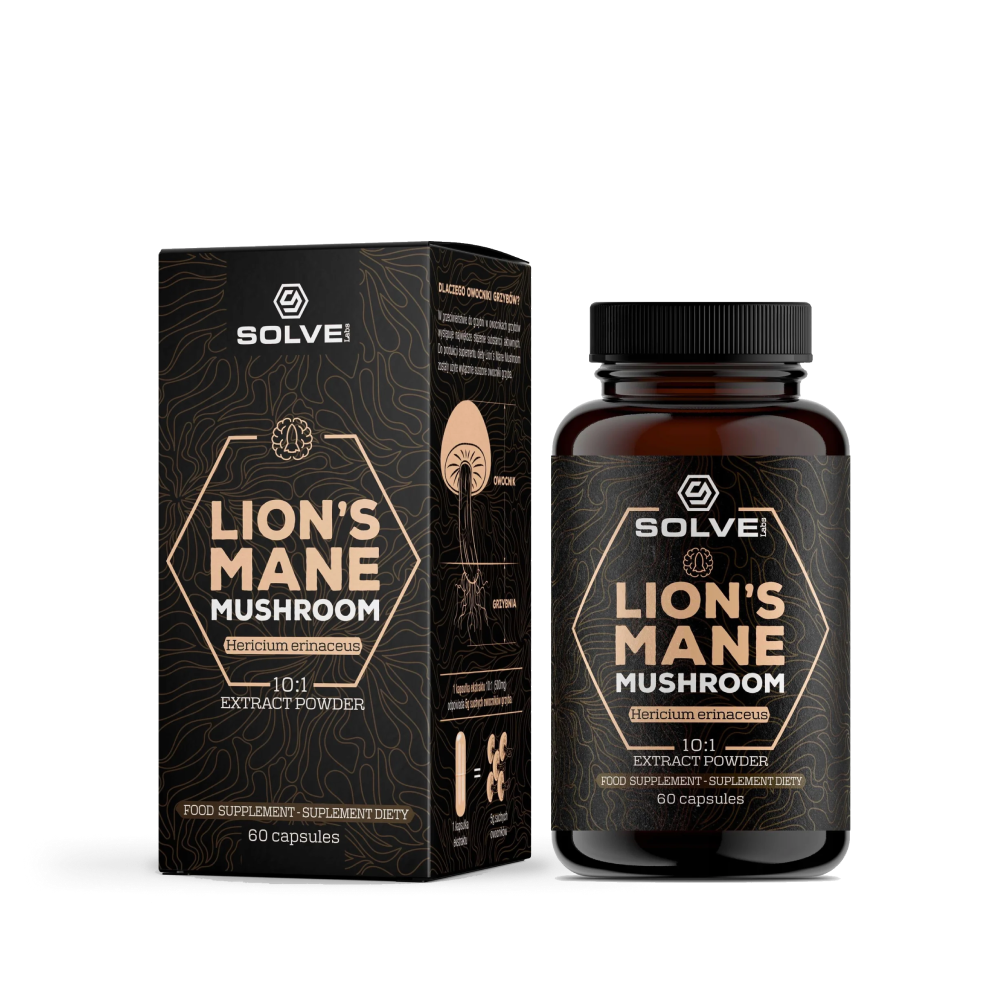
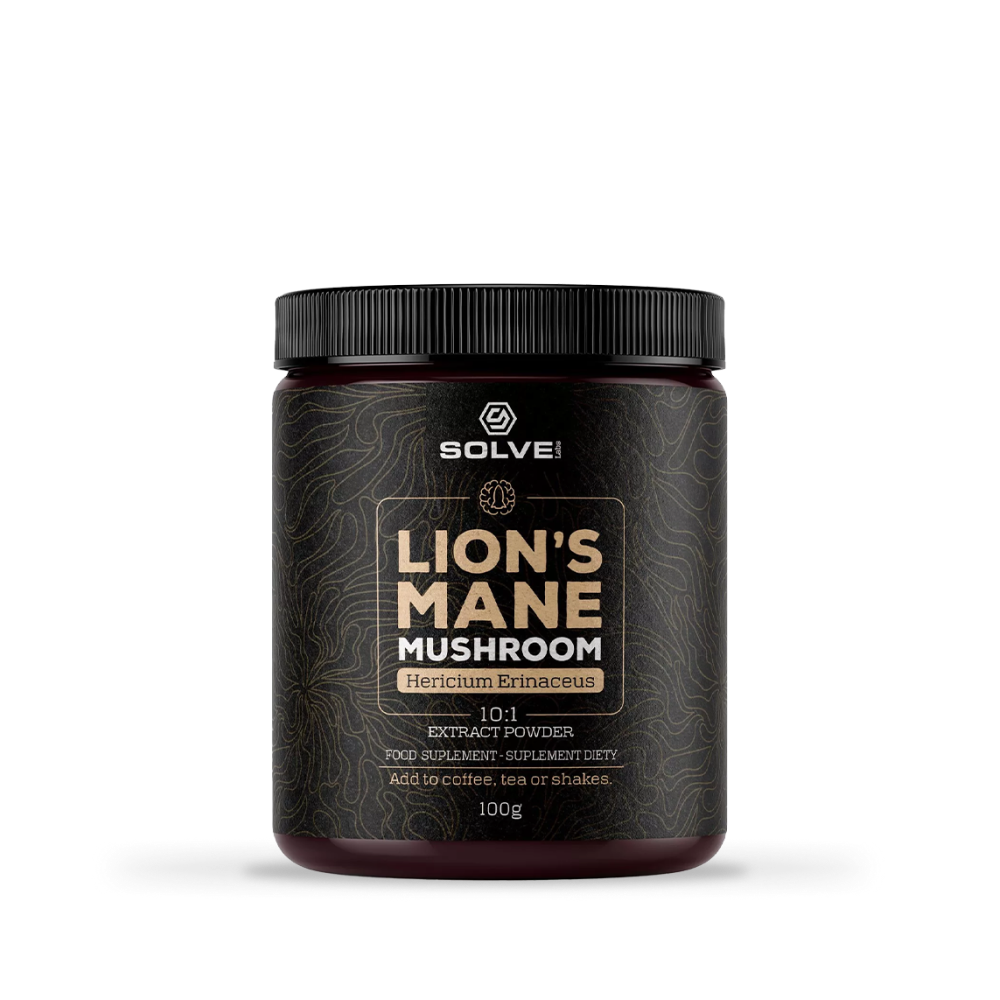
This is exactly where sourcing and testing separate the good from the questionable. Products like Solve Labs' Lion's Mane Capsules that specify their extract, third-party test for purity, and skip myceliated grain fillers make it far easier to know what you're actually taking, which is the whole point when you're using something daily for the long haul.
Is third-party testing really necessary?
Yes, arguably more here than with most supplements. Mushroom products are notorious for mislabelling: undisclosed grain content, low actual β-glucan levels, and heavy-metal or contaminant risk (mushrooms bioaccumulate what's in their growing medium). Third-party testing verifies two things you can't confirm yourself: purity (no heavy metals, pesticides, or fillers) and potency (that the active compounds match the label). For long-term daily use, this isn't a nice-to-have, it's the difference between a clean supplement and a slow accumulation of contaminants.
Can I take it with other nootropics or medications?
With other nootropics, lion's mane generally stacks well, it's commonly paired with things like caffeine and L-theanine, and there's no documented dangerous interaction between them. With medications, be specific: the concern is anticoagulants and drugs affecting clotting. Beyond that, there's no strong evidence of dangerous drug interactions, but "no evidence" reflects limited study, not a guarantee. If you take prescription medication, confirm with your pharmacist or doctor before adding it.
Is it suitable for vegans and free of fillers?
Lion's mane is a fungus, so the mushroom material itself is plant-based and suitable for vegans and vegetarians, provided the capsule shell is plant-derived (many use vegetable cellulose rather than gelatine). The filler question is the one to scrutinise: cheaper products bulk out capsules with myceliated grain, starch, or maltodextrin. A quality product lists the mushroom extract and little else. Always check the ingredient panel for the words "myceliated grain" or "grown on rice/oats", that's your tell.
Lion's mane vs other nootropic mushrooms
| Mushroom | Main use | Long-term data |
|---|---|---|
| Lion's mane | Cognition, nerve support | Short-term good, long-term unproven |
| Reishi | Stress, sleep, immune | Limited |
| Cordyceps | Energy, endurance | Limited |
Lion's mane is the standout for cognitive claims specifically, no other common functional mushroom targets NGF the way it does. But all share the same honest caveat: robust long-term human safety data is still being built.
The bottom line
Lion's mane capsules are among the better-tolerated supplements you can take, mild, rare side effects, a clean liver profile, and no serious adverse events in the trials we have. For short-to-medium-term use at studied doses, the safety case is solid. The genuine limitation is time: no one has rigorously proven safety over years. That's not a reason to panic, it's a reason to be sensible. Buy tested, filler-free products, watch for the specific interactions, talk to a professional if you're on medication or pregnant, and don't assume more-for-longer is automatically better. Take it intelligently, and the risk is low.
Frequently asked questions
Can I take lion's mane every day for years?
There's no evidence it's harmful over years, but there's also no rigorous human data proving it's safe that long. The best trial ran 16 weeks with no adverse events. For indefinite daily use, consider cycling it and checking in with a healthcare professional.
Does lion's mane damage the liver?
No, LiverTox classifies it as Likelihood Score E, meaning it's unlikely to cause liver injury. It hasn't been linked to enzyme elevations or clinical liver damage in any human study.
Who should avoid lion's mane?
People with mushroom allergies (risk of hypersensitivity reactions), those on blood-thinning medication (possible clotting interaction), and anyone pregnant or breastfeeding, where safety data is absent.
Disclaimer: These statements have not been evaluated by the Food and Drug Administration. This product is not intended to diagnose, treat, cure, or prevent any disease. Consult a healthcare professional before use.
