
Cordyceps for Endurance Athletes: The Complete Guide
Cordyceps for Endurance Athletes: The Complete Guide
- What is cordyceps, and why do athletes use it?
- How does cordyceps work? The mechanisms behind the performance gains
- What does the evidence actually say? Benefits, strength, and honest caveats
- How much cordyceps should I take for athletic performance?
- How long until cordyceps works for endurance performance?
- Cordyceps capsules vs. cordyceps powder, which is better for athletes?
- What are the side effects and risks of cordyceps?
- Who should take cordyceps, and who might not respond?
- Is fruiting body extract better than mycelium, and why does it matter?
- Can cordyceps be stacked with other supplements for endurance?
- Related guides
Cordyceps is one of the few functional mushrooms with direct, measurable evidence behind athletic performance, specifically VO₂max, time to exhaustion, and cardiovascular efficiency. But the benefits are species-specific, dose-dependent, and require 8-12 weeks of consistent use to materialise. They're also meaningfully smaller in already highly-trained athletes than the marketing suggests. Here's the unvarnished picture.
| Factor | Detail |
|---|---|
| Primary species | Cordyceps militaris (faster acting), C. sinensis (longer timeline) |
| Key bioactives | Cordycepin (3′-deoxyadenosine), beta-glucans, polysaccharides |
| Typical effective dose | 2 g/day (C. sinensis); comparable daily amounts in blend studies |
| Onset of performance benefit | 3 weeks (C. militaris blends); 12 weeks (C. sinensis) |
| Who responds most clearly | Recreational-to-competitive endurance athletes; smaller gains in elite-trained athletes |
| Evidence strength | Moderate, meta-analysis confirmed, borderline P-values, results vary by species and duration |
What is cordyceps, and why do athletes use it?
Cordyceps is a genus of parasitic fungi with centuries of use in traditional Chinese medicine, originally harvested from high-altitude caterpillar larvae in Tibet (Ophiocordyceps sinensis), now produced commercially as cultivated Cordyceps militaris fruiting bodies or via liquid fermentation as the standardised C. sinensis extract Cs-4®. Athletes use it as an ergogenic aid: something that improves the body's capacity to produce and sustain energy during prolonged aerobic effort.
The two species are not interchangeable and shouldn't be treated as such. C. militaris contains substantially higher concentrations of cordycepin, the primary bioactive compound, and shows measurable performance effects in as little as three weeks. C. sinensis, particularly the fermented Cs-4 extract, has a larger body of human clinical research but requires a 12-week supplementation window to deliver clear performance gains. Shorter durations with C. sinensis have produced null results in well-designed trials, a fact that gets quietly omitted in most supplement marketing.
How does cordyceps work? The mechanisms behind the performance gains
Three distinct pathways account for cordyceps' ergogenic effects, and they operate at different levels of the energy system:
- AMPK activation and mitochondrial biogenesis: Cordycepin (3′-deoxyadenosine) activates AMP-activated protein kinase, the cell's primary energy-sensing enzyme. AMPK activation triggers downstream signalling through PGC-1α, the master regulator of mitochondrial biogenesis, which drives the production of new mitochondria and increases the cell's oxidative capacity over weeks of consistent exposure. This is why the effect is chronic, not acute: you're stimulating structural adaptation in the muscle cell's energy machinery, not getting a caffeine-style substrate push.
- Improved oxygen transport: Cordyceps polysaccharides support red blood cell production and haemoglobin synthesis. Long-distance runners supplementing with C. militaris mycelium extract for 16 weeks showed significantly increased haemoglobin and haematocrit alongside decreased serum ferritin, suggesting the mushroom helps mobilise stored iron into functional haemoglobin during high-volume training phases when iron depletion is a real limiting factor. The haematological changes tracked directly with the performance improvements observed in the same cohort.
- Submaximal cardiovascular efficiency: After 8 weeks of C. sinensis supplementation, athletes demonstrated a measurably lower heart rate at the same submaximal workload, a classic adaptation marker indicating improved stroke volume or peripheral oxygen extraction. This cardiovascular efficiency signal appeared before the full performance gains at 12 weeks, making it a useful intermediate indicator that the adaptation is progressing.
These three mechanisms explain why cordyceps users don't report a stimulant-style energy lift, the changes are structural, accumulating across weeks of training, not a pre-workout sensation. That's also why single-dose use is essentially pointless.
What does the evidence actually say? Benefits, strength, and honest caveats
VO₂max and time to exhaustion, Real signal, but read the fine print
A three-week randomised controlled trial using a Cordyceps militaris-containing mushroom blend produced a 10.9% increase in VO₂max and an 8.2% increase in time to exhaustion, equivalent to +69.8 seconds, compared to placebo in recreationally active adults. That's a meaningful performance delta in a short window, and the study design was solid. A systematic review and meta-analysis further confirmed that C. sinensis supplementation significantly improves endurance performance (P = 0.05), ventilatory threshold (P = 0.03), and VO₂peak (P = 0.04) in adult athletes.
Worth being direct about those P-values: 0.05 is the threshold, not a comfortable margin. These are statistically significant results, but they're borderline, not the kind of overwhelming signal you'd see from, say, beetroot nitrate supplementation. The honest read is "real effect, moderate confidence, replication needed."
Evidence strength: Moderate-to-strong for C. militaris at 3+ weeks in recreational athletes; moderate for C. sinensis at 12 weeks.
Aerobic capacity in marathon runners, Confirmed at 12 weeks, absent before it
Amateur marathon runners taking 2 g/day of C. sinensis (Cs-4®) showed no significant improvement at earlier time points, the gains only became statistically clear in 5K test performance after 12 weeks of continuous supplementation. This isn't a minor detail. It means anyone evaluating this supplement on a 4-6 week trial is almost certainly going to conclude it doesn't work, and they'd be right for that species at that duration. The delayed benefit is mechanistically consistent: haematological adaptation and mitochondrial biogenesis are slow processes that compound with training stimulus over months, not weeks.
Evidence strength: Strong at 12 weeks; insufficient evidence for shorter durations with this species.
Muscle damage and recovery, Promising, needs replication
Long-distance runners supplementing with C. militaris mycelium extract showed significantly decreased creatine kinase levels after 16 weeks compared to placebo. Creatine kinase is the primary serum biomarker of skeletal muscle fibre damage, lower CK post-training means less structural breakdown per session, which translates directly to faster recovery and the ability to sustain higher training loads week over week. This is a practically important finding for high-volume athletes, but it comes from a single study and needs independent replication before being treated as established.
Evidence strength: Moderate, biologically plausible, single study, needs replication.
Where the evidence is weak or null, and why this matters
A well-designed trial on endurance-trained male cyclists found that five weeks of CordyMax Cs-4 (C. sinensis) produced zero measurable effect on aerobic capacity or endurance performance. This null result deserves more attention than it typically gets. The subjects were trained cyclists, not recreational athletes, which points to two compounding problems: insufficient duration (five weeks for a species that needs twelve) and a ceiling effect in already highly-adapted athletes. Elite and well-trained athletes have already pushed haematological and mitochondrial adaptations close to their genetic ceiling through years of training. The marginal gains cordyceps appears to offer may simply not be detectable against that background. Recreational athletes and those returning from a detraining period show the clearest response in the literature, and that's a distinction most brands won't tell you.
How much cordyceps should I take for athletic performance?
| Species | Studied Dose | Minimum Duration for Effect | Optimal Duration |
|---|---|---|---|
| C. sinensis (Cs-4®) | 2 g/day | 8 weeks (cardiovascular efficiency markers) | 12 weeks (full performance gains) |
| C. militaris blend | Comparable daily blend dose | 3 weeks (VO₂max, time to exhaustion) | 8-16 weeks (haematology, CK reduction) |
| Concentrated extract (10:1) | Lower gram weight, verify cordycepin and beta-glucan content | Same chronic window applies | 8-12 weeks minimum |
The best-studied dose for endurance athletes is 2 g/day of a quality extract. If you're using a concentrated 10:1 extract, meaning 10 kg of raw fruiting body condensed into 1 kg of extract, a lower gram weight delivers equivalent bioactive load. What matters is standardised cordycepin and beta-glucan content, not raw powder weight. A product listing "1000 mg" of raw mushroom powder is not equivalent to 1000 mg of a 10:1 extract. These are different things and the supplement industry relies on consumers not knowing that.
How long until cordyceps works for endurance performance?
With C. militaris: initial VO₂max and time-to-exhaustion shifts appear at three weeks in recreational athletes. With C. sinensis: the honest answer is 12 weeks, earlier time points in marathon runner studies showed no significant gains. Cardiovascular efficiency markers (lower heart rate at submaximal effort) may appear at week 8 with C. sinensis, giving you a measurable intermediate signal before the full performance adaptation arrives. Acute use before a single session has no meaningful ergogenic support in the literature. Plan a supplementation cycle around a training block, not a race week.
Cordyceps capsules vs. cordyceps powder, which is better for athletes?
| Format | Pros | Cons |
|---|---|---|
| Capsules (concentrated extract) | Precise dosing, standardised bioactives, no taste, consistent daily compliance | Higher cost per gram; requires label transparency on extract ratio and beta-glucan % |
| Raw powder (non-extracted) | Lower cost, easy to add to shakes | Highly variable bioactive content; intact chitin cell walls limit cordycepin absorption without hot-water or solvent extraction; no standardisation |
| Concentrated extract powder | Flexible dosing, high potency, stackable | Bitter taste; requires careful sourcing and third-party testing for heavy metals and contaminants |
For athletes prioritising measurable performance outcomes, a standardised extract, capsule or powder, consistently outperforms raw mushroom powder. The specification to look for: standardised to 35-45% beta-glucans, verified cordycepin content, fruiting body source (not mycelium-on-grain), and third-party testing confirmation. That combination maps directly to the dosing used in positive clinical outcomes. Raw powder gives you an unknown quantity at a lower price, that trade-off is only worth making if you don't actually care about the outcome.
What are the side effects and risks of cordyceps?
Cordyceps has a strong safety profile across human clinical trials. No serious adverse events have been reported at standard supplementation doses (1-3 g/day) in healthy adults. Mild gastrointestinal discomfort has been noted in some users, particularly when taken on an empty stomach, taking it with food resolves this in most cases. Cordyceps has documented immunomodulatory activity, which is relevant context for anyone on immunosuppressive medication; a conversation with a physician before supplementing is warranted in that context. There is insufficient safety data for use during pregnancy or breastfeeding.
Who should take cordyceps, and who might not respond?
The strongest candidates are recreational-to-competitive endurance athletes, runners, cyclists, triathletes, rowers, who train consistently and have a genuine 12-week window to run a supplementation cycle aligned with a training block. The haematological and mitochondrial adaptations cordyceps appears to facilitate require sustained training stimulus to express; supplementing during a period of low training volume will likely produce attenuated results.
Athletes already operating near their genetic aerobic ceiling, those with years of structured endurance training, should temper expectations. The Parcell et al. null result in trained cyclists isn't an outlier; it's a signal that the adaptation headroom these mechanisms exploit may already be largely claimed by chronic training in elite populations. The clearest responders in the literature are recreational athletes, masters athletes, and those returning to training after a detraining period. That's a narrower target audience than most cordyceps marketing acknowledges.
Is fruiting body extract better than mycelium, and why does it matter?
For cordycepin and beta-glucan content, fruiting body extract is consistently superior to mycelium-on-grain products. Mycelium-based supplements are typically grown on rice or oats and harvested before the fungus reaches full bioactive development. The resulting product frequently contains significant residual grain starch with minimal functional compounds, some independent analyses have found the majority of the dry weight in mycelium-on-grain products is simply undigested substrate, not mushroom. Fruiting body extraction concentrates the actual medicinal constituents that appear in clinical research.
The label language to look for: "100% fruiting body," a stated extract ratio (8:1, 10:1), a standardised beta-glucan percentage (35-45%), and third-party certificate of analysis. Any product that doesn't provide these specifics is asking you to trust marketing copy over verifiable chemistry.
Can cordyceps be stacked with other supplements for endurance?
Cordyceps pairs logically with supplements that work via distinct, non-overlapping mechanisms. Rhodiola rosea targets central nervous system fatigue and HPA-axis cortisol dysregulation, a different pathway from cordyceps' cellular energy and oxygen transport focus. Beetroot-derived nitrate supplementation enhances nitric oxide-mediated vasodilation and reduces the oxygen cost of exercise at submaximal intensities; cordyceps works upstream at the mitochondrial level, making these genuinely complementary rather than redundant. Ensuring adequate dietary iron and B12 makes sense given the haematopoietic mechanisms cordyceps appears to support, deficiency in either will cap the haematological response regardless of supplementation. There are no documented negative interactions between cordyceps and standard sports nutrition (protein, creatine, electrolytes, caffeine). Note that none of these stacking combinations have been directly tested in human trials, the rationale is mechanistic, not empirical.
- Cordyceps sinensis Cs-4 and aerobic performance in endurance athletes (Chen et al.)
- C. militaris blend: VO₂max and time-to-exhaustion RCT (Hirsch et al., Journal of Dietary Supplements)
- Systematic review and meta-analysis: Cordyceps sinensis and endurance performance
- CordyMax Cs-4 null result in trained cyclists (Parcell et al., Medicine & Science in Sports & Exercise)
- C. militaris mycelium extract: haemoglobin, haematocrit, creatine kinase in long-distance runners
Frequently asked questions
Does it matter whether my cordyceps is C. militaris or C. sinensis for athletic performance?
Yes, significantly, and in ways that affect how you should plan your supplementation cycle. C. militaris shows VO₂max and time-to-exhaustion improvements in as little as three weeks and contains substantially higher cordycepin concentrations. C. sinensis (especially the Cs-4 fermented extract) has strong 12-week data in marathon runners but shows no measurable benefit at shorter durations in well-designed trials. If you want faster feedback and are working with a defined training block, C. militaris fruiting body extract is the better-evidenced starting point. If you have a 12-week window and prefer the more extensively studied Cs-4 extract, C. sinensis is well-supported at that duration.
What does a 10:1 extract ratio actually mean for my dose?
A 10:1 extract ratio means 10 kg of raw cordyceps fruiting body was concentrated down to 1 kg of extract, so each gram of extract carries the equivalent bioactive load of 10 grams of raw powder. This matters because raw mushroom powder has highly variable cordycepin and beta-glucan content, and intact chitin cell walls limit absorption of key compounds without hot-water or solvent extraction. A standardised extract (35-45% beta-glucans, verified cordycepin content) gives you a consistent, trackable dose that corresponds to what clinical studies actually used. A product listing 1000 mg of raw powder is not the same as 1000 mg of a 10:1 extract, the gram weight is identical, the bioactive load is not.
Can I take cordyceps before a race or workout for an acute performance boost?
The evidence doesn't support cordyceps as an acute ergogenic aid. The performance mechanisms, AMPK activation, mitochondrial biogenesis, haematological adaptation, improved cardiovascular efficiency, are structural changes that develop over weeks of consistent exposure. Single-dose use has no meaningful ergogenic effect in the literature. Build a consistent 8-12 week supplementation cycle aligned with your training block. If you want something with documented acute ergogenic effects for race day, beetroot nitrate and caffeine have that evidence base; cordyceps does not.
Will cordyceps work if I'm already a well-trained endurance athlete?
Possibly, but with meaningfully lower expected effect size. A well-designed five-week trial on trained male cyclists found zero effect on aerobic capacity or endurance performance from Cs-4 supplementation. The likely explanation is a ceiling effect: years of structured endurance training have already pushed haematological and mitochondrial adaptations close to their genetic limit, leaving less headroom for cordyceps to exploit. The clearest responders in the research are recreational athletes, masters athletes, and those returning from detraining. If you're already logging 15+ hours per week with structured periodisation, temper your expectations accordingly.
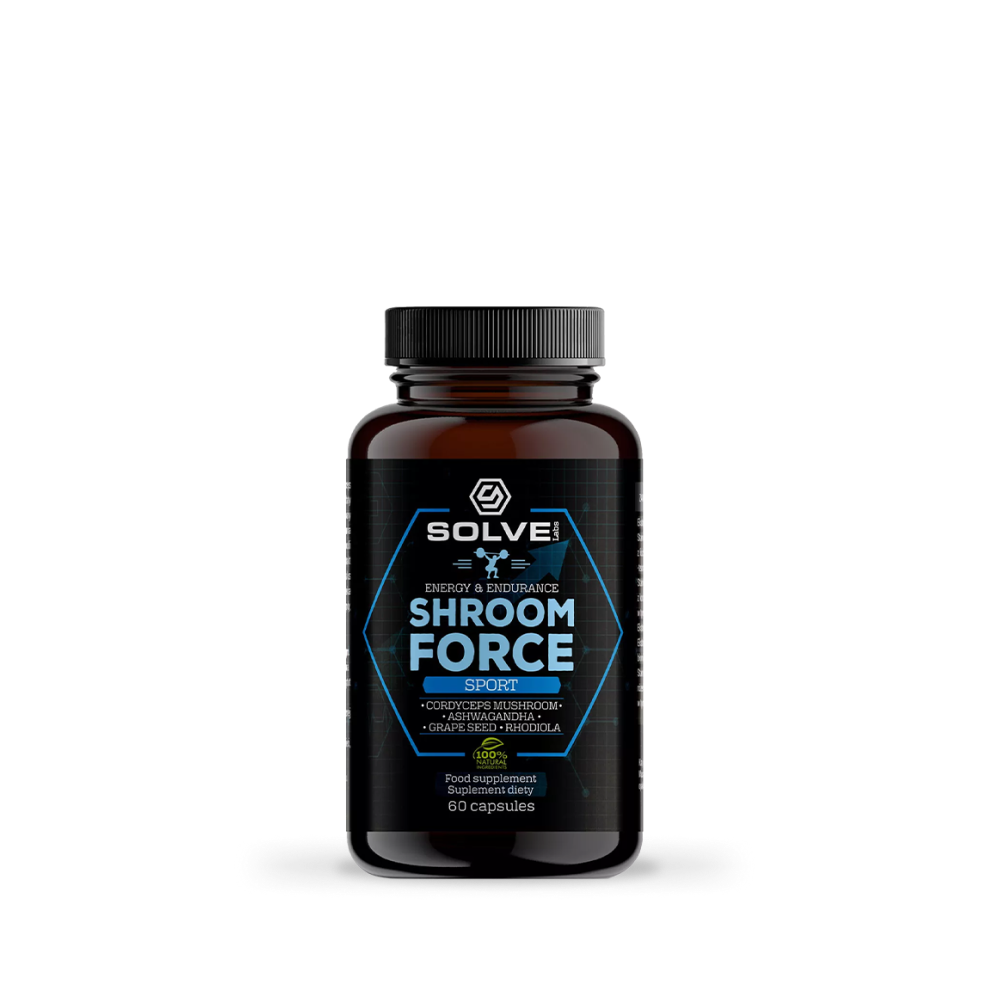
Mentioned in this article: Cordyceps Capsules from our range.
Disclaimer: These statements have not been evaluated by the Food and Drug Administration. This product is not intended to diagnose, treat, cure, or prevent any disease. Consult a healthcare professional before use.
