
Polysaccharide Percentage in Cordyceps Capsules Explained
Polysaccharide Percentage in Cordyceps Capsules Explained
- What Are Polysaccharides in Functional Mushrooms, and Why Does Structure Matter?
- What Polysaccharide Percentage Should You Look For?
- Cordyceps sinensis vs. Cordyceps militaris, Does the Species Affect Polysaccharide Content?
- What Does the Evidence Actually Say About Cordyceps Polysaccharides?
- What Is the Guaranteed Polysaccharide Percentage Per Serving?
- How Much Should You Take, and How Long Until It Works?
- What Are the Side Effects and Risks?
- Can It Be Taken Alongside Other Supplements or Medications?
- Is It Suitable for Vegetarians and Vegans?
- Is Polysaccharide Content Actually Bioavailable, Or Will It Just Pass Through?
- Related guides
The polysaccharide percentage on a cordyceps label is the closest thing to a potency guarantee you'll find on a functional mushroom product. Premium standardized extracts, particularly CS-4 mycelium and concentrated 40:1 extracts, are standardized to 40-50% polysaccharides. That number represents the measurable fraction of bioactive carbohydrates responsible for cordyceps' immune, metabolic, and adaptogenic effects. Without it, you're buying a bag of powder with no verified active content.
| Factor | Detail |
|---|---|
| Common extract forms | CS-4 mycelium extract, C. militaris fruiting body powder, 40:1 concentrate |
| Key bioactive compounds | Polysaccharides (β-glucans), cordycepin, mannitol, ergosterol |
| Standardized polysaccharide range | 40-50% in high-quality extracts |
| Typical evidence-supported daily dose | 1,000-1,200 mg extract (split across servings) |
| Primary evidence base | Moderate, strong in vitro and animal data; limited but growing human trials |
| Who should use caution | People on immunosuppressants, anticoagulants, or antidiabetic medications |
What Are Polysaccharides in Functional Mushrooms, and Why Does Structure Matter?
Polysaccharides are long-chain carbohydrate polymers. In functional mushrooms, the pharmacologically relevant ones are β-glucans, specifically β-(1→3) and β-(1→6)-linked glucose polymers. These are not dietary fiber in the generic sense. They are structurally specific molecules that bind to dectin-1 and toll-like receptors on macrophages and natural killer (NK) cells, triggering measurable immune activation cascades.
The linkage type matters more than most labels suggest. In Cordyceps militaris, researchers have characterized acidic heteropolysaccharides composed of approximately 88.4% glucose, and β-(1→6)-glucan fractions extracted under slightly alkaline conditions (pH 8-9) demonstrate superior free-radical scavenging activity compared to those extracted under acidic conditions. This is not a minor technical footnote, it means two products both labeled "40% polysaccharides" can have meaningfully different biological activity depending on extraction pH, temperature, and solvent. Polysaccharide percentage is a necessary quality indicator, but it is not sufficient on its own.
Molecular weight is the other variable almost never disclosed on labels. High-molecular-weight β-glucans (above ~500 kDa) are generally more immunostimulatory than low-molecular-weight fragments, but are also harder to absorb intact. Some manufacturers deliberately use enzymatic or ultrasonic processing to reduce molecular weight for better bioavailability, a trade-off that is rarely explained to consumers. If a brand can't tell you their polysaccharide molecular weight range, they probably don't know it.
Beyond immune effects, polysaccharides are the fraction most consistently linked to cordyceps' hypoglycemic and hypolipidemic activity in the research literature. Cordycepin gets more press because it's a structurally unusual nucleoside analogue with anti-tumor and antiviral mechanisms, but in terms of volume of evidence and breadth of effects, polysaccharides are the primary bioactive fraction.
What Polysaccharide Percentage Should You Look For?
There is no regulatory standard for cordyceps polysaccharide content, no FDA or EU threshold that a product must meet to be called an "extract." The 40-50% benchmark is an industry convention, established through commercial production norms for CS-4 mycelium fermentation and concentrated extract manufacturing. It reflects what's achievable at scale with hot-water extraction followed by ethanol precipitation, not a clinically derived therapeutic target. That distinction matters: the benchmark tells you a product is a genuine extract, not that 40% is a proven minimum effective dose.
With that caveat stated, the benchmark is still useful. A CS-4 mycelium extract standardized to 40% polysaccharides delivers 200 mg of polysaccharides per 500 mg dose. An unstandardized whole dried powder at typical natural polysaccharide concentrations of 5-15% delivers 25-75 mg from the same 500 mg dose. That's a 3-8x difference in active compound delivery, not a rounding error.
The mannitol co-marker is worth understanding separately. Mannitol (a sugar alcohol) is a natural metabolite in genuine Cordyceps sinensis chemistry, and CS-4 mycelium typically contains around 15% mannitol. Its presence on a label signals that the extract was produced from authentic CS-4 fermentation rather than a filler-diluted blend. However, mannitol content alone doesn't verify polysaccharide percentage, a product could list mannitol without standardizing the polysaccharide fraction. Both numbers together are more informative than either alone.
| Extract Type | Polysaccharide % | Mannitol Marker | Active Polysaccharides per 500 mg dose |
|---|---|---|---|
| Whole dried powder (unstandardized) | ~5-15% | Not stated | 25-75 mg |
| CS-4 standardized mycelium extract | 40% | ~15% | 200 mg |
| 40:1 concentrated extract | 50% | Variable | 250 mg |
One term that deserves honest explanation: 40:1 concentrate means 40 kg of raw mushroom material was processed down to 1 kg of extract. This ratio describes the concentration process, not the polysaccharide content, a 40:1 ratio with poor extraction chemistry can still yield a low-polysaccharide product. The ratio only becomes meaningful when paired with an explicit polysaccharide standardization percentage. Treat any product that leads with the concentration ratio but omits the polysaccharide percentage as unverified.
Cordyceps sinensis vs. Cordyceps militaris, Does the Species Affect Polysaccharide Content?
Wild Cordyceps sinensis, the caterpillar fungus harvested from Tibetan plateau grasslands, is rare enough that it trades by weight like a precious metal. Prices exceed $20,000/kg for high-grade wild material, making it economically impossible to standardize at scale. Nearly all commercial cordyceps products use one of two alternatives: CS-4, a mycelium fermentation strain derived from C. sinensis and grown in liquid culture, or Cordyceps militaris fruiting bodies cultivated on grain or silkworm substrate.
CS-4 is the species form with the most clinical research behind it, and it's the basis for the 40% polysaccharide benchmark in commercial extract specifications. Its liquid fermentation process allows tight quality control over polysaccharide yield. C. militaris fruiting bodies, by contrast, contain higher natural concentrations of cordycepin, sometimes 10-20x more than CS-4 mycelium, but their polysaccharide content is more variable depending on cultivation conditions, substrate composition, and harvest timing.
Neither species is categorically superior. The practical question is whether the polysaccharide percentage is explicitly standardized and guaranteed. A C. militaris extract standardized to 40% polysaccharides is a better-defined product than a CS-4 extract that only lists total mushroom weight. Species matters less than standardization transparency.
What Does the Evidence Actually Say About Cordyceps Polysaccharides?
An honest breakdown by benefit area, with evidence quality stated plainly:
Immune Support, Strong Mechanistic Evidence, Limited Human Trials
Cordyceps polysaccharides activate macrophages and NK cells through receptor-binding pathways that are well-characterized in vitro and in animal models. The mechanism is specific: polysaccharides bind dectin-1 and TLR-2/4 receptors on innate immune cells, increasing phagocytic activity and cytokine output. This is the most robustly supported mechanism and the primary reason polysaccharide percentage is used as a potency proxy. Direct human trial data on immune endpoints remains limited, most human studies have focused on exercise performance or general wellness rather than immune cell activity specifically.
Energy and Exercise Performance, Contradictory Human Data
The proposed mechanism, cordyceps increasing ATP biosynthesis and improving cellular oxygen utilization, is plausible based on animal and in vitro studies. Human trial results are inconsistent. Some studies show modest improvements in VO2 max and time-to-exhaustion in older adults; others show no significant effect in trained athletes. A 2024 clinical trial with 40 participants reported adaptogenic properties and antioxidant effects, but the study population, dosing protocol, and outcome measures were not specific to athletic performance. The honest summary: mild energy support is plausible; meaningful athletic performance enhancement in trained individuals is not well-supported.
Blood Sugar Regulation, Animal Data, Not Ready for Clinical Claims
In rodent models, C. militaris polysaccharide extracts reduced insulin resistance and improved glucose utilization. Cordycepin treatment in alloxan-induced diabetic mice decreased blood glucose and improved glucose tolerance in studies from 2018. These are mechanistically interesting findings, but alloxan-induced diabetes in mice is a chemical model that doesn't map cleanly onto type 2 diabetes in humans. People managing diabetes should not adjust medications based on this evidence. The data supports continued research, not clinical application yet.
Lipid Reduction, Animal Data Only
Polysaccharide fractions from C. militaris reduced total cholesterol and triglycerides in mice fed high-fat diets, with proposed mechanisms including enhanced fat mobilization and beta-oxidation. No adequately powered human trials have replicated these findings. The mechanism is biologically coherent; the human evidence is absent.
Antioxidant Activity, Well Characterized at Molecular Level
The β-(1→6)-glucan structures from C. militaris extracted under alkaline conditions demonstrate measurable superoxide dismutase and catalase enhancement in diabetic mouse models, alongside direct free-radical scavenging activity. This is one of the better-characterized effects at the molecular level and is consistent with β-glucan antioxidant chemistry across multiple fungal species. It's also the effect least likely to translate to dramatic clinical outcomes on its own, antioxidant activity in vitro rarely predicts meaningful clinical benefit in otherwise healthy adults.
What Is the Guaranteed Polysaccharide Percentage Per Serving?
"Guaranteed" is the operative word. A polysaccharide percentage only means something if it's a batch-verified minimum, not a theoretical maximum from a single extraction run. High-quality cordyceps capsules will state 40% polysaccharides as a guaranteed minimum, meaning every production batch is tested to confirm it meets or exceeds that threshold. This is confirmed via a Certificate of Analysis (CoA) from a third-party laboratory, which should be available on request.
What to look for on a label: polysaccharide percentage stated as a standardized amount (not a range), mannitol percentage if CS-4 is the source, and a reference to third-party batch testing. What to treat as a red flag: products that list only "mushroom extract" or "fruiting body powder" by total weight, products that reference a concentration ratio (like 40:1) without a polysaccharide percentage, and any product without an accessible CoA.
How Much Should You Take, and How Long Until It Works?
The evidence-supported daily dose is 1,000-1,200 mg of standardized cordyceps extract, typically split across two servings. Human studies have used doses ranging from 1,000 to 4,000 mg/day without reported adverse effects, establishing a broad apparent safety range, though most studies at the higher end were short-term. Longer-term safety data above 1,200 mg/day is thin.
Timeline expectations should be calibrated to mechanism. Polysaccharides work by repeatedly activating innate immune cells, this is a cumulative process, not a stimulant effect. Most users report noticeable immune-related changes after 2-4 weeks of consistent daily use. Adaptogenic and energy-related effects are more variable: some users notice changes in 1-2 weeks, others need 4-6 weeks. If you notice nothing after 8 weeks at a standardized dose, the product is either not working for you or is not delivering what the label claims.
What Are the Side Effects and Risks?
Cordyceps has a strong safety profile at standard doses. Key considerations that go beyond the usual boilerplate:
- Immunosuppressant medications: The immunostimulatory activity of polysaccharides is real enough to warrant a conversation with a prescriber for anyone on cyclosporine, tacrolimus, or other post-transplant medications. This isn't theoretical caution, it's a plausible pharmacodynamic interaction.
- Anticoagulants: Additive effects with blood-thinning medications are theoretically plausible based on some in vitro platelet aggregation data, but unconfirmed in human trials. Warfarin users should monitor INR if adding cordyceps.
- Antidiabetic medications: Given hypoglycemic activity in animal models, blood glucose monitoring is prudent if you take insulin or sulfonylureas.
- Heavy metal contamination: This is an underreported real risk. Cordyceps products sourced from unverified suppliers, particularly those using grain-grown mycelium that hasn't been separated from substrate, can contain elevated arsenic, lead, or cadmium levels. A CoA that includes heavy metal testing is not optional for this category; it's a baseline requirement.
- Autoimmune conditions: Immunostimulatory compounds can theoretically exacerbate autoimmune activity. The evidence base is not strong enough to say this is a confirmed risk, but it's a reasonable reason to seek medical advice before use.
Can It Be Taken Alongside Other Supplements or Medications?
Cordyceps combines without documented negative interactions with other functional mushrooms (lion's mane, reishi), classic adaptogens (ashwagandha, rhodiola), and standard micronutrients. The combination with reishi is worth noting specifically, reishi polysaccharides and triterpenes have complementary immunomodulatory mechanisms, and the combination is used in traditional formulations. No human trials have examined these combinations directly, so "no documented interactions" means the research hasn't been done, not that interactions are impossible.
For medications, immunosuppressants, anticoagulants, antidiabetics, the immunomodulatory and metabolic activity of cordyceps polysaccharides is real enough to warrant disclosure to a prescriber. Treating this as a food supplement with no pharmacological relevance understates what the evidence actually shows.
Is It Suitable for Vegetarians and Vegans?
The cordyceps extract itself is vegan in modern commercial production, CS-4 mycelium is grown in liquid fermentation culture without animal substrate, and C. militaris fruiting bodies are cultivated on grain or rice. The capsule shell is the variable: HPMC (hydroxypropyl methylcellulose) capsules are vegan; gelatin capsules are not. Reputable manufacturers state this explicitly. If a brand doesn't specify, assume gelatin and ask.
Is Polysaccharide Content Actually Bioavailable, Or Will It Just Pass Through?
This question is more nuanced than most supplement guides acknowledge. β-Glucan polysaccharides are water-soluble and don't require fat for absorption, but their large molecular size means intact high-molecular-weight polymers are not efficiently absorbed across intestinal epithelium. A significant portion of their immune effect may occur through direct interaction with immune cells in the gut-associated lymphoid tissue (Peyer's patches) rather than systemic absorption. This is not a bioavailability failure, it's a different mechanism of action, and it's why oral polysaccharides can produce systemic immune effects despite limited intact absorption into circulation.
Lower-molecular-weight polysaccharide fractions do cross intestinal epithelium more readily and enter systemic circulation. Some manufacturers use enzymatic hydrolysis or ultrasonic processing to reduce molecular weight and improve systemic bioavailability, a legitimate approach, though it may reduce the gut-localized immune activation that higher-molecular-weight fractions provide. The practical implication: bioavailability of cordyceps polysaccharides is real but structurally dependent, and a standardized extract with a known polysaccharide percentage is the minimum requirement for consistent dosing, regardless of which absorption pathway is doing the work.
- Cordyceps militaris polysaccharide structure, β-(1→6)-glucan characterization, and antioxidant activity study
- Immunomodulatory and metabolic effects of Cordyceps polysaccharides review
- Cordyceps benefits and dosage overview citing clinical and animal research
- Examine.com Cordyceps research summary including CS-4 standardization, human trial data, and safety profile
Frequently asked questions
What polysaccharide percentage should a quality cordyceps capsule guarantee?
High-quality standardized cordyceps extracts, CS-4 mycelium or 40:1 concentrated extracts, should guarantee at least 40% polysaccharides per batch as a verified minimum, with some 40:1 extracts reaching 50%. A concurrent listing of approximately 15% mannitol indicates authentic CS-4 chemistry. The 40-50% benchmark is an industry production standard, not a regulatory requirement, so it's only meaningful when backed by a third-party Certificate of Analysis. Any product listing only total mushroom weight without a standardization percentage cannot verify consistent polysaccharide delivery.
How does polysaccharide percentage differ between mycelium and fruiting body extracts?
CS-4 mycelium extracts are the most consistently standardized for polysaccharide percentage, routinely achieving 40% in commercial production due to the controlled conditions of liquid fermentation. Cordyceps militaris fruiting body extracts are more variable, polysaccharide content depends on cultivation substrate, harvest timing, and extraction method. Fruiting bodies tend to have higher natural cordycepin concentrations. CS-4 mycelium is the benchmark for polysaccharide standardization. The key question for either form is whether the polysaccharide percentage is explicitly guaranteed and third-party verified on the label.
How long does it take for cordyceps polysaccharides to produce noticeable effects?
Immune support effects typically develop over 2-4 weeks of consistent daily use. Polysaccharides work by repeatedly activating macrophages and NK cells through receptor-binding pathways, this is a cumulative process, not an immediate stimulant effect. Adaptogenic and energy-related effects are more variable: some users report changes within 1-2 weeks, others need 4-6 weeks. A 2024 clinical trial with 40 participants confirmed adaptogenic and antioxidant effects, though individual response timelines were not specified. If no effect is noticeable after 8 weeks at a standardized dose, either the product is not working for you or the label claims are not being met.
Does the 40:1 concentration ratio guarantee high polysaccharide content?
No. A 40:1 ratio means 40 kg of raw material was concentrated to 1 kg of extract, it describes the concentration process, not the chemical composition of the result. A 40:1 extract produced with poor extraction chemistry can still have low polysaccharide content. The ratio only becomes meaningful when paired with an explicit polysaccharide standardization percentage. Treat any product that leads with concentration ratio but omits polysaccharide percentage as unverified.
What contamination risks should I know about with cordyceps supplements?
Heavy metal contamination is a real and underreported risk in this category. Cordyceps products from unverified suppliers, particularly grain-grown mycelium products that haven't been separated from substrate, can contain elevated arsenic, lead, or cadmium. A Certificate of Analysis (CoA) from an independent third-party laboratory that includes heavy metal testing is a baseline requirement, not a premium feature. Ask for it before purchasing any cordyceps product.
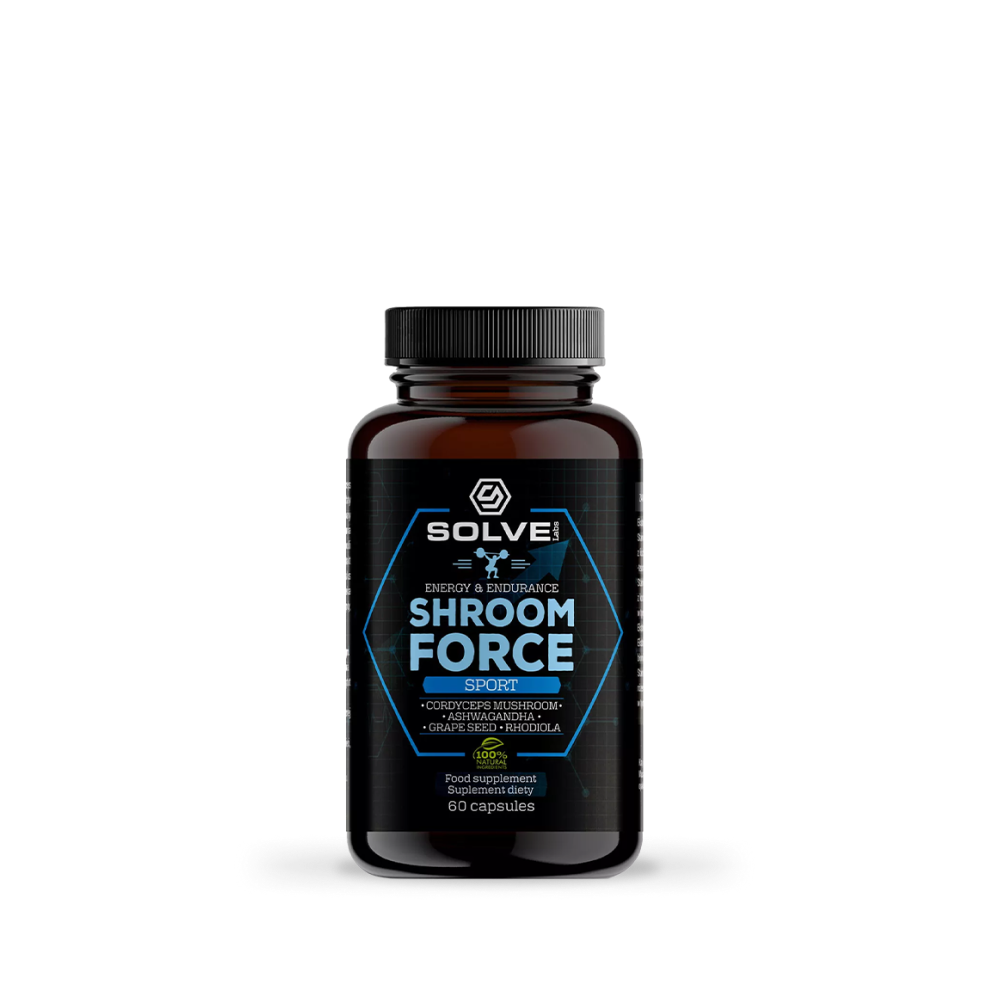
Mentioned in this article: Cordyceps Capsules from our range.
Disclaimer: These statements have not been evaluated by the Food and Drug Administration. This product is not intended to diagnose, treat, cure, or prevent any disease. Consult a healthcare professional before use.
