
Third-Party Tested Mushroom Supplements: Heavy Metals Guide
Third-Party Tested Mushroom Supplements: Heavy Metals Guide
- Why Do Mushroom Supplements Carry a Higher Contamination Risk Than Other Supplements?
- What Does Third-Party Testing for Heavy Metals Actually Entail?
- What Are the Specific Heavy Metal Limits, and What Should You Actually Demand?
- How Do You Read a Certificate of Analysis, and Spot a Fake One?
- What Contaminants Beyond Heavy Metals Should a COA Cover?
- Health Benefits of Functional Mushrooms, What the Evidence Actually Shows
- Is This Product Third-Party Tested for Heavy Metals and Contaminants?
- Can It Be Taken Alongside Other Supplements or Medications?
- How Long Before Noticeable Effects on Energy or Immunity?
- Related guides
Mushrooms are biological sponges. Unlike plants, which have some capacity to exclude metals at the root level, fungi draw lead, cadmium, mercury, and arsenic directly from their growth substrate into the fruiting body or mycelium, and concentrate them there. That makes batch-specific, third-party testing non-negotiable for any functional mushroom supplement you plan to take every day. This guide covers exactly what that testing must include, what the limits actually mean, and how to tell a real Certificate of Analysis from a marketing document dressed up as one.
| Factor | Detail |
|---|---|
| Key contaminants screened | Lead, Cadmium, Mercury, Arsenic, pesticides, microbials (E. coli, Salmonella, Staph aureus), mycotoxins, residual solvents |
| Industry maximum limits | Lead ≤3 ppm, Cadmium ≤1 ppm, Mercury ≤0.3 ppm, Arsenic ≤1 ppm |
| Target levels (reputable brands) | Not Detected (ND), well below maximum limits on every batch |
| California Prop 65 (sensitive populations) | Lead ≤0.5 mcg/serving, Cadmium ≤3.0 mcg/serving (children), inorganic Arsenic ≤2.1 mcg/serving, inorganic Mercury ≤2 mcg/serving |
| Required COA elements | Batch/lot number, ISO 17025-accredited lab name and accreditation number, test date, DNA species ID, beta-glucan %, quantified heavy metals panel |
| Who it matters most for | Daily users, pregnant/nursing women, children, immunocompromised individuals |
| Evidence strength | Contamination risk: confirmed by real-world independent testing; ND-level safety: regulatory consensus across FDA, OEHHA, and international bodies |
Why Do Mushroom Supplements Carry a Higher Contamination Risk Than Other Supplements?
The biology here is not subtle. Fungi evolved to decompose organic matter, which means their cellular machinery is purpose-built to absorb whatever is dissolved in the substrate around them, including heavy metals. The fruiting body or mycelium ends up concentrating those metals, not filtering them out. The substrate source determines the contamination risk profile almost entirely: grain-based indoor cultivation, outdoor log cultivation, and wild-foraged mushrooms each carry different exposures depending on soil quality, water source, and proximity to industrial activity.
This is not theoretical. Independent testing by Lead Safe Mama, LLC found that Host Defense Mushrooms MyCommunity powder, one of the most widely distributed and heavily marketed brands in the category, tested positive for toxic levels of lead, cadmium, and arsenic. Host Defense is not an obscure brand. It is sold in natural grocery chains nationwide, has thousands of positive reviews, and commands a premium price. None of that translated into a clean product. Popularity is not a proxy for purity.
A further complication: a significant share of mushroom raw material is sourced from China, where agricultural soil contamination from decades of industrial activity is well-documented in the scientific literature. Chinese-grown mushrooms are not automatically unsafe, indoor cultivation on controlled substrates can produce clean material regardless of country of origin. But it makes verified, batch-level testing even more critical when you cannot independently audit the growing environment.
The takeaway is structural: the contamination risk in mushroom supplements is not a quality-control failure unique to a few bad actors. It is a predictable consequence of fungal biology, and it requires a systematic testing response, not a one-time prototype screen and a marketing badge.
What Does Third-Party Testing for Heavy Metals Actually Entail?
"Third-party tested" is one of the most abused phrases in the supplement industry. It spans a meaningful, rigorous process at one end and a single generic screen run once on a prototype batch, never repeated on commercial production, at the other. Brands use the same language for both. Here is what the real version looks like:
- ISO 17025-accredited laboratory: The lab must hold ISO 17025 accreditation, the international standard for testing and calibration competence. This accreditation requires the lab to demonstrate validated methodology, traceable measurement standards, and ongoing proficiency testing. Results from non-accredited facilities carry no independent verification of accuracy or methodology. The accreditation number should appear on the COA itself so you can cross-reference it.
- Batch-specific Certificate of Analysis: Every production batch gets its own COA. A single document shared across all products, all time periods, or all lot numbers is a company summary, not a lab report. The COA must display the specific lot or batch number that matches the product in your hand, tested after that batch was manufactured.
- Full heavy-metals panel with quantified results: At minimum: lead, cadmium, mercury, and arsenic. Each must show an actual number, "Lead: 0.04 ppm", or a confirmed ND with the detection limit stated explicitly: "Lead: ND (<0.01 ppm)." A COA that shows only "Pass" without a number is not a result. It is a verdict without evidence.
- DNA-based species identity verification: Confirmation via DNA barcoding or PCR that the mushroom in the capsule is the species on the label. Adulteration with cheaper mycelium-on-grain material or mislabeled species is a documented problem in this category. "Cordyceps militaris" on the label means nothing without analytical verification of what is actually in the product.
- Microbial panel: ND for E. coli O157:H7, Salmonella, and Staphylococcus aureus. Yeast and mold counts below 1,000 CFU/g. Mushroom cultivation environments can harbor pathogenic organisms if hygiene controls are inadequate.
- Pesticide screening: ND for prohibited compounds. European organic standards screen for several hundred pesticide residues, a meaningfully higher bar than U.S. requirements. A COA that checks only a handful of compounds is not a comprehensive screen.
- Active compound potency, beta-glucans: The primary bioactive marker, confirmed per batch. High-quality Reishi or Cordyceps extracts should show ≥20-30% beta-glucans. Products showing below 10% are typically low-grade powders or mycelium-on-grain with significant starch filler. Potency verification is what separates a functional extract from an expensive capsule of mushroom flour.
- Mycotoxins: Aflatoxins and ochratoxin A can develop in improperly stored or processed mushroom material. Not always included on COAs by default, worth requesting explicitly, particularly for products with long supply chains.
- Residual solvents: Relevant for extract products. Confirms no extraction solvents remain above safe thresholds in the finished product.
If a brand cannot provide a batch-specific COA from an ISO 17025-accredited lab, on demand, for the exact lot number on the bottle you are considering, the testing claim is not verifiable. Full stop.
What Are the Specific Heavy Metal Limits, and What Should You Actually Demand?
Two sets of standards matter here: industry maximums, which represent the regulatory floor, and California Prop 65 thresholds, which are the most protective per-serving limits in U.S. law and apply specifically to supplements consumed by sensitive populations.
| Metal | Industry Max (ppm) | CA Prop 65 General (mcg/serving) | CA Prop 65 Children/Pregnant (mcg/serving) | Target for Quality Products |
|---|---|---|---|---|
| Lead | 3 ppm | 0.5 mcg | 0.5 mcg (≤0.8 mcg with calcium) | Not Detected (ND) |
| Cadmium | 1 ppm | , | ≤3.0 mcg (children) | Not Detected (ND) |
| Mercury (inorganic) | 0.3 ppm | , | ≤2 mcg inorganic | Not Detected (ND) |
| Arsenic (inorganic) | 1 ppm | , | ≤2.1 mcg inorganic | Not Detected (ND) |
The industry maximums are a compliance floor, not a safety target. The FDA, CDC, and every major toxicological body agree: there is no established safe level of lead exposure for humans. A product that clears the 3 ppm industry maximum at 2.9 ppm is technically compliant and genuinely problematic for someone taking it daily for years. The math compounds. A small daily dose at a "passing" level accumulates over months in bone and soft tissue in ways that a one-time exposure does not.
California Prop 65 thresholds are worth understanding because they are set per serving, which is how you actually consume the product, rather than per weight of raw material. For pregnant women, nursing mothers, and children, these are the operative limits. A COA showing levels above Prop 65 thresholds for those populations is a disqualifying finding, regardless of whether the product technically "passes" industry maximums.
Reputable brands do not aim to pass. They aim for ND on every heavy metal, every batch, with stated detection limits low enough to be meaningful.
How Do You Read a Certificate of Analysis, and Spot a Fake One?
A real COA is a laboratory report. A fake one, or a misleading one, is a marketing document formatted to look like a lab report. The differences are specific:
- Lab name and accreditation number: Both must appear on the document. Cross-reference the accreditation number against the ISO CASCO Pool of Schemes database or the relevant national accreditation body (in the U.S. A2LA or AIHA-LAP). If the lab name is not searchable as an accredited facility, the document is not independently verifiable.
- Lot or batch number: Must appear on the COA and match the lot number printed on the product label. A COA without a lot number is a company-generated summary, not a lab document. This is the single most common way brands obscure that their testing is not batch-specific.
- Test date: Should correspond to the production date of the batch in question. A COA dated two or three years ago does not cover the batch you are buying today. Raw material sourcing, substrate quality, and growing conditions change. Old COAs are irrelevant to current product.
- Quantified results with detection limits: Every analyte should show a number or a confirmed ND with the detection limit in parentheses. "Lead: ND (<0.005 ppm)" tells you the method was sensitive enough to matter. "Lead: Pass" tells you nothing about the actual level detected.
- Species identity confirmation: Look for DNA barcoding or PCR-based species verification. This is not standard on every COA, but it is the only way to confirm that what is in the capsule matches the label. Given how common mycelium-on-grain adulteration is in this category, this matters.
- Beta-glucan content: The primary potency marker. A COA that shows heavy metals but omits beta-glucan percentage is only half a document, it tells you the product is not going to poison you but says nothing about whether it will do anything useful.
One practical check: call or email the brand and ask for the COA for the specific lot number on the bottle you are considering purchasing. A brand with genuine batch-specific testing can fulfill this request immediately. A brand that sends you a generic document, a document without a lot number, or a document that does not match the lot on the label has told you everything you need to know.
What Contaminants Beyond Heavy Metals Should a COA Cover?
Heavy metals are the headline risk in mushroom supplements, but a complete safety screen covers more ground. Each of these is a real, documented risk, not hypothetical belt-and-suspenders caution:
- Microbials: ND for E. coli O157:H7, Salmonella, and Staphylococcus aureus. Yeast and mold counts under 1,000 CFU/g. Mushroom cultivation environments, warm, humid, substrate-rich, are favorable for pathogenic organisms if sanitation controls slip.
- Pesticides: ND for prohibited compounds, screened against a comprehensive panel. The European organic standard covers several hundred residues. A COA that tests for twelve pesticides is not a comprehensive screen, it is a selective one.
- Mycotoxins: Aflatoxin B1, B2, G1, G2 and ochratoxin A are produced by mold species that can colonize mushroom material during storage or processing. Not always included on standard COAs. Ask specifically, particularly for bulk powder products with longer supply chains.
- Residual solvents: For hot-water or alcohol extract products, residual solvent testing confirms the extraction process left no harmful solvent carryover in the finished capsule or powder.
Health Benefits of Functional Mushrooms, What the Evidence Actually Shows
The contamination argument only matters if the underlying compounds are worth taking. Here is an honest read of the evidence, not the marketing version:
- Immune modulation via beta-glucans and polysaccharides: The most robust area of evidence. Beta-glucan fractions from Reishi, Turkey Tail, and Shiitake have been shown in research settings to increase macrophage activation and natural killer (NK) cell activity, core components of innate immune response. Some human trials show improvements in immune markers. Evidence quality: moderate, with the strongest data in immunocompromised populations rather than healthy adults.
- Cellular energy via cordycepin (Cordyceps): Cordycepin, the primary bioactive in Cordyceps militaris, stimulates ATP synthesis pathways. The mechanism is well-characterized preclinically. Human evidence is limited but directionally consistent with the mechanism. Evidence quality: preclinical strong, human limited.
- Anti-inflammatory effects via ergosterol and sterols: Ergosterol fractions modulate inflammatory signaling and have shown anti-inflammatory effects in studied preparations. Also implicated in cholesterol metabolism via sterol competition pathways. Evidence quality: moderate preclinical.
- Anticancer properties of cordycepin: Cordycepin inhibits tumor cell proliferation via nucleoside interference with RNA synthesis in preclinical models. This is a preclinical finding only. It is not a treatment claim and should not be interpreted as one. Evidence quality: preclinical only.
- Respiratory and joint inflammation: Cordycepin reduced airway and joint inflammation markers in asthma and arthritis animal models. Human extrapolation is not yet established. Evidence quality: animal models.
The honest summary: the bioactive mechanisms are real and well-characterized at the molecular level. Human clinical evidence is thinner than the marketing suggests for most functional mushrooms outside of immune support. The appropriate framing is "promising support for immune function and cellular energy metabolism", not guaranteed outcomes. None of this changes the contamination risk, which is supported by real-world testing data entirely independent of the efficacy debate. A contaminated supplement with real bioactives is still a contaminated supplement.
Is This Product Third-Party Tested for Heavy Metals and Contaminants?
This is the right first question to ask any brand, before efficacy, before dosage, before price. The answer should be specific: yes, batch-specific, from an ISO 17025-accredited laboratory, with a COA available on request that includes a lot number matching the current product run, quantified results for all four heavy metals, and species identity confirmation.
If the answer is "yes, we test all our products" without the ability to produce that document for the specific lot you are evaluating, the testing claim is not verifiable. Treat it accordingly.
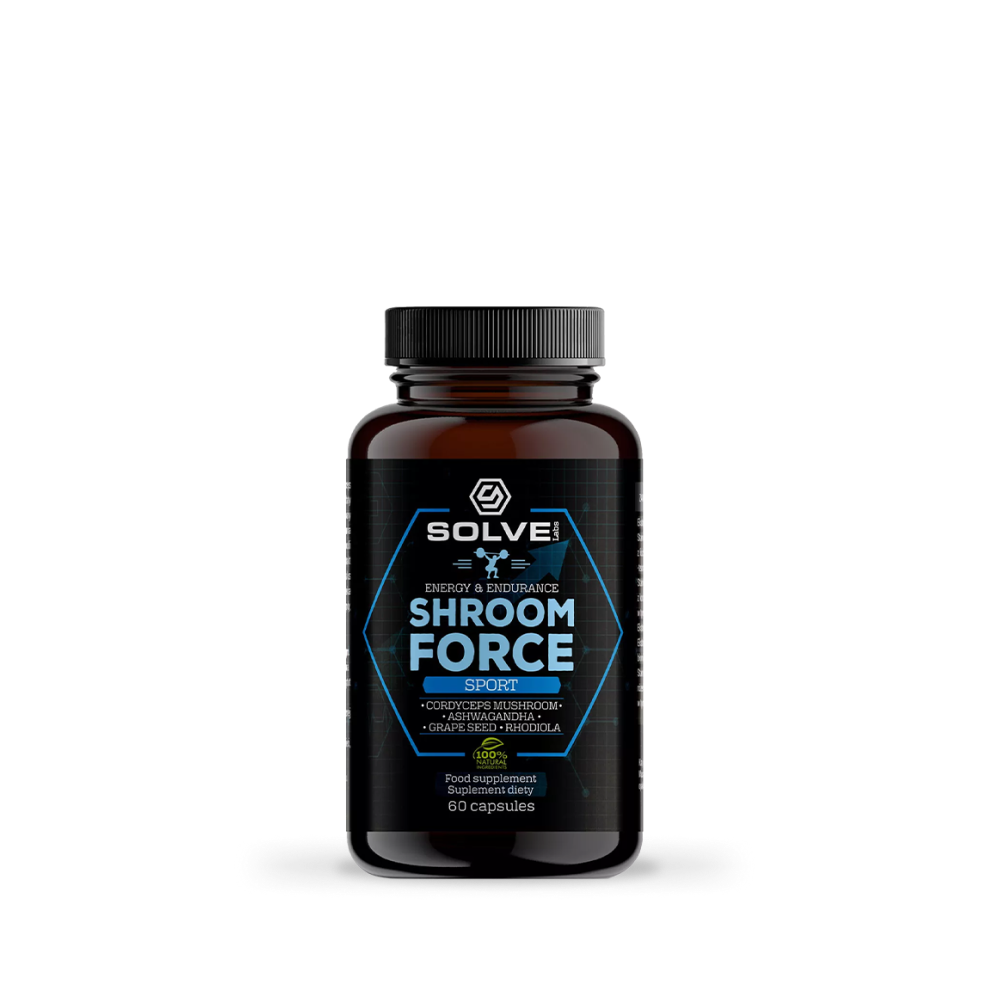
If you are evaluating a Cordyceps supplement specifically, the same criteria apply: confirmed Cordyceps militaris (or sinensis) species via DNA, beta-glucan potency verified per batch, heavy metals ND or well below industry limits, and a clean microbial panel. Solve Labs' Cordyceps Capsules are one option worth evaluating against this checklist, ask for the batch-specific COA before committing.
Can It Be Taken Alongside Other Supplements or Medications?
Functional mushrooms are generally well-tolerated, but two interaction categories warrant real attention, not just boilerplate caution:
- Immunosuppressants: Beta-glucan-driven immune stimulation could theoretically work against immunosuppressive medications, post-transplant drugs, biologics used in autoimmune conditions. The interaction is mechanistically plausible even if clinical case reports are sparse. Consult your prescribing physician before combining. This is not a theoretical hedge; it is a real pharmacological consideration.
- Anticoagulants: Some mushroom compounds have mild platelet-inhibiting properties. If you are on warfarin, aspirin regimens, or other anticoagulants, discuss with your doctor before adding a daily mushroom supplement. The effect is likely modest, but modest effects on coagulation are clinically meaningful in anticoagulated patients.
- General supplement stacking: No significant interactions documented with common nootropic or adaptogen stacks. Starting with a single new supplement at a time makes it easier to attribute any response, positive or negative, to the right variable.
How Long Before Noticeable Effects on Energy or Immunity?
Functional mushrooms are not stimulants. They do not produce acute pharmacological effects within hours of a dose. They work through cumulative modulation of immune and metabolic pathways, the kind of change that builds over weeks, not the kind you feel in an afternoon. Most users who report noticeable effects on energy and mental clarity describe them emerging between two and four weeks of consistent daily use. Immune support markers in research settings have shown measurable changes at four to eight weeks of supplementation.
If you see no effect after eight weeks at a clinically relevant dose, typically 1-2g of a verified extract with ≥20% beta-glucans, something in the product, the dose, or the bioavailability of the form deserves scrutiny. Mycelium-on-grain products with low beta-glucan percentages are frequently the culprit: the dose looks adequate on the label but delivers a fraction of the bioactive content of a genuine fruiting-body extract.
- Lead Safe Mama independent testing of Host Defense MyCommunity mushroom powder
- NSF on Certificate of Analysis standards for dietary supplements
- ISO 17025 accreditation standard for testing laboratories
- FDA on lead in dietary supplements
- California OEHHA Prop 65 safe harbor levels for dietary supplements
Frequently asked questions
What makes a mushroom supplement COA legitimate versus a marketing document?
A legitimate COA is issued by an ISO 17025-accredited third-party laboratory, not the manufacturer, and must include: a specific batch or lot number that matches the product label, the lab's name and accreditation number (cross-referenceable against a national accreditation body), a test date corresponding to that batch, quantified results for each heavy metal (not just 'pass'), ND confirmation with stated detection limits, and species identity verification via DNA barcoding or PCR. Any COA missing a lot number, lab accreditation reference, or quantified results is not independently verifiable and should be treated as a marketing document.
Are there heavy metal limits that are safe for pregnant women and children taking mushroom supplements?
Yes. California Prop 65 sets per-serving limits specifically protective of sensitive populations: lead at ≤0.5 mcg per serving, cadmium at ≤3.0 mcg for children, inorganic arsenic at ≤2.1 mcg, and inorganic mercury at ≤2 mcg. These are more protective than general industry maximums, which are set per weight of raw material rather than per serving consumed. For pregnant, nursing, or pediatric use, only products with COAs showing ND or levels confirmed well below these Prop 65 thresholds should be considered. A product that passes industry maximums can still exceed Prop 65 thresholds at normal serving sizes.
Can a popular or well-reviewed mushroom supplement brand still fail heavy metal testing?
Yes, and this has been documented, not just theorized. Independent testing by Lead Safe Mama, LLC found that Host Defense Mushrooms MyCommunity powder, a widely distributed, premium-priced, heavily reviewed product, tested positive for lead, cadmium, and arsenic. Brand recognition, price point, retail distribution, and review volume are all irrelevant to whether a specific batch is clean. Batch-specific third-party testing from an accredited lab is the only verification that matters. Always ask for the COA for the lot number on the product you are considering.
Mentioned in this article: Cordyceps Capsules from our range.
Disclaimer: These statements have not been evaluated by the Food and Drug Administration. This product is not intended to diagnose, treat, cure, or prevent any disease. Consult a healthcare professional before use.
