
Best Vegan Protein Powder UK: What to Look For
Best Vegan Protein Powder UK: What to Look For
- A quality vegan protein blend combines multiple plant sources, pea, rice, hemp, to deliver all nine essential amino acids in one serving.
- Clean-label formulas skip artificial sweeteners, colors, and fillers; that matters for both health outcomes and digestive comfort.
- Mixability and taste are real barriers with plant-based protein, look for powders engineered specifically to dissolve smoothly and avoid chalkiness.
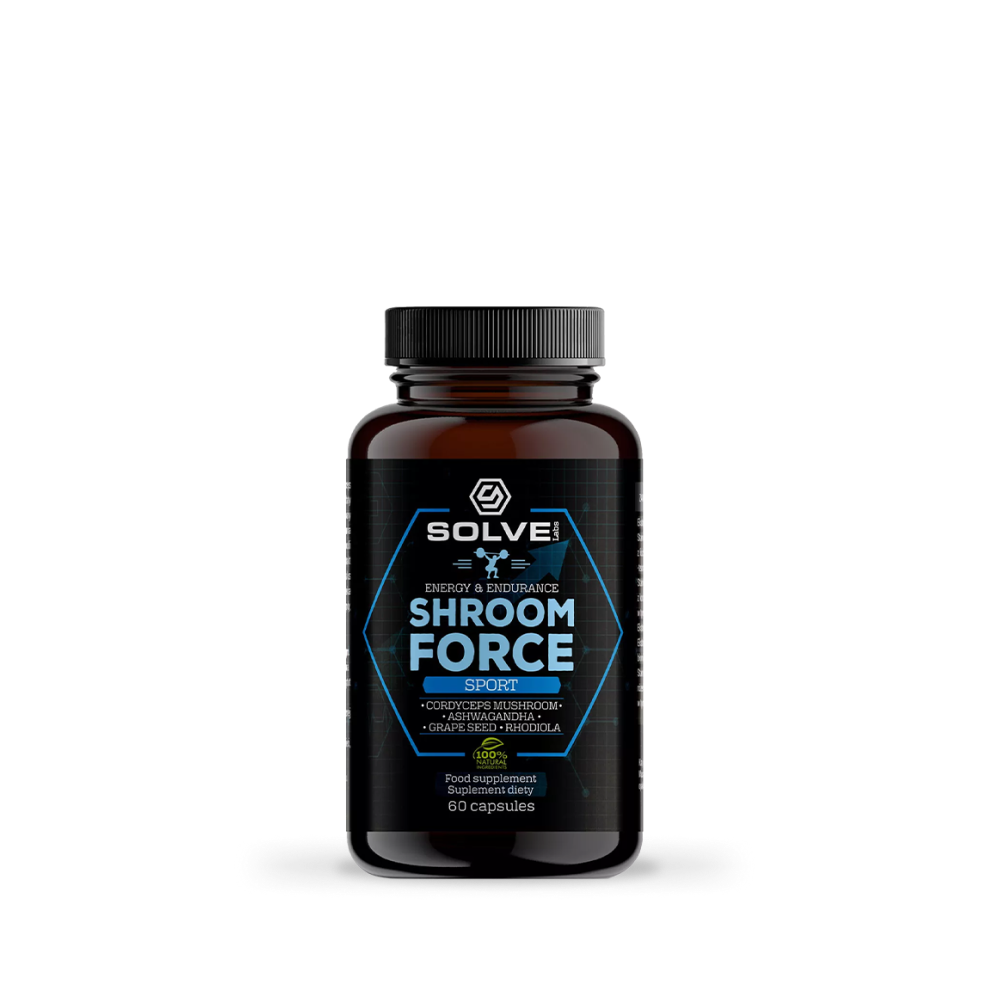
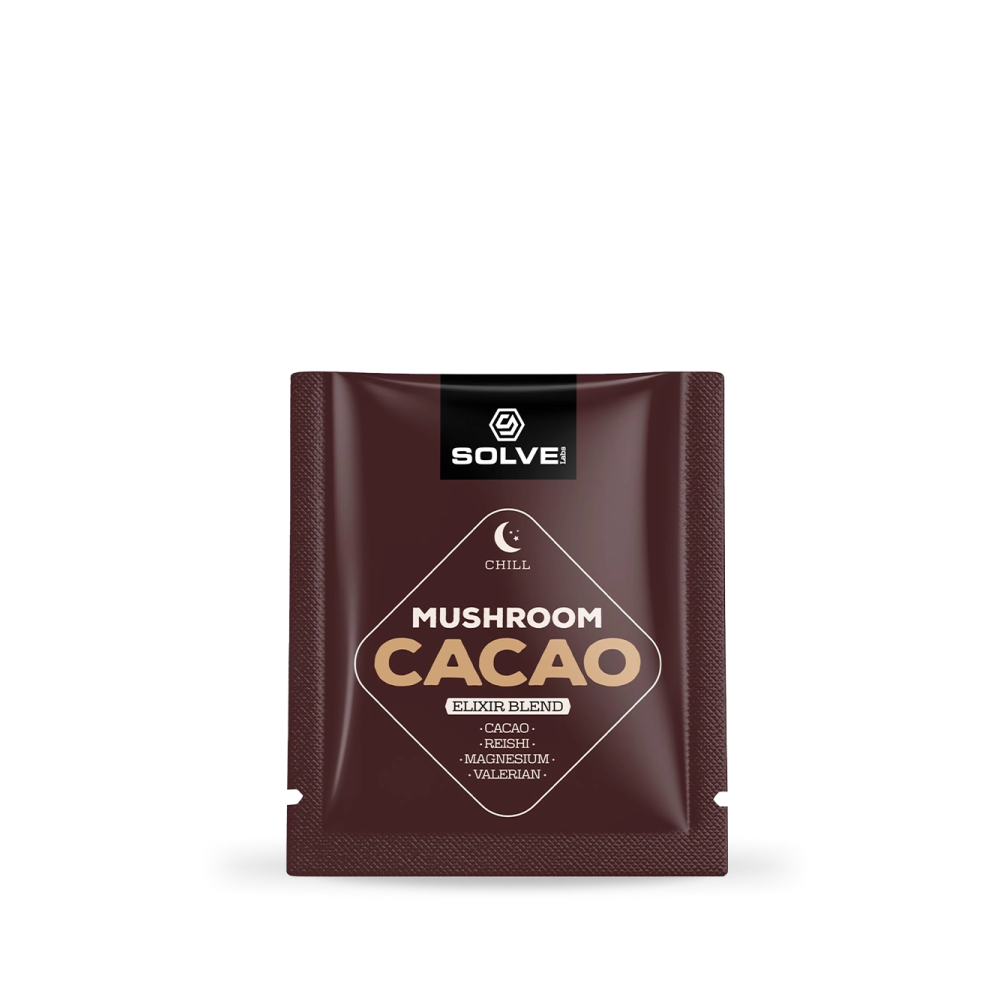
- Functional mushroom additions (like those in Solve Labs' blend) can layer recovery and cognitive benefits on top of core protein nutrition.
- What Makes a Vegan Protein Powder Worth Buying?
- Why Does Protein Source Matter So Much?
- What Should You Expect from a Premium Vegan Protein Formula?
- Who Actually Benefits from Vegan Protein Powder?
- How Do You Actually Use Vegan Protein Powder Day-to-Day?
- How Does a Multi-Source Blend Compare to Single-Source Vegan Proteins?
The best vegan protein powder in the UK delivers complete protein, clean ingredients, and a taste profile you'll actually stick with. A multi-source plant blend, formulated for high bioavailability and free from synthetic fillers, is your strongest foundation for muscle recovery, daily protein targets, and peak wellness without the dairy.
What Makes a Vegan Protein Powder Worth Buying?
The UK plant-based market has exploded, single-source isolates, complex blends, functional hybrids. More options means more noise. Cut through it by focusing on five non-negotiables:
- Protein source: Pea, rice, hemp, and soy are the workhorses. Blends outperform single sources for amino acid completeness.
- Nutritional profile: High protein per serving, low sugar, minimal artificial additives, check the label, not the marketing.
- Mixability: A great powder dissolves cleanly in water or plant milk. Clumping and grit are dealbreakers for daily use.
- Taste: Subjective, yes, but natural flavoring beats artificial aftertaste every time.
- Ingredient purity: No artificial sweeteners (sucralose, aspartame), no unnecessary fillers, no synthetic colors.
Why Does Protein Source Matter So Much?
Not all plant proteins are created equal. A complete protein contains all nine essential amino acids your body can't synthesize on its own, and single plant sources often fall short on one or more.
| Protein Source | Complete Amino Profile? | Common Trade-off |
|---|---|---|
| Pea Protein Isolate | Near-complete (low methionine) | Best paired with rice protein |
| Brown Rice Protein | Near-complete (low lysine) | Complements pea well |
| Hemp Protein | Complete | Lower protein % per gram |
| Soy Protein Isolate | Complete | Some consumers prefer to limit soy |
| Multi-source blend | Complete (by design) | Typically premium price point |
A thoughtfully engineered blend, drawing on four or more plant sources, closes the amino acid gaps that single-source powders leave open. That's the difference between a protein supplement and a complete protein supplement.
What Should You Expect from a Premium Vegan Protein Formula?
Premium isn't just a marketing word, it signals specific formulation choices. Here's what separates a high-quality vegan protein from a budget option:
Clean-Label Ingredients
Artificial sweeteners, synthetic flavors, and cheap fillers cut costs, and cut corners on your health. A clean-label formula relies on natural sweeteners and real flavor sources. For health-conscious UK consumers, that transparency isn't optional; it's the baseline.
Functional Mushroom Integration
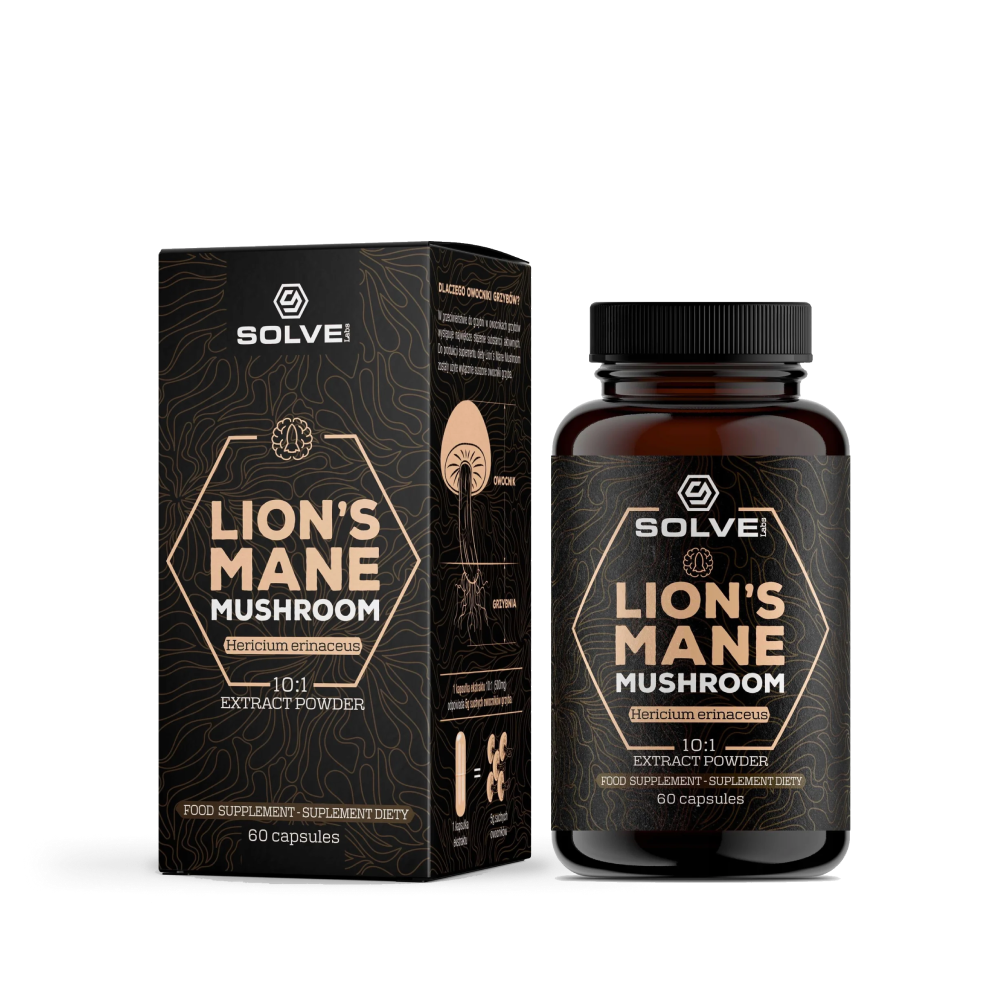
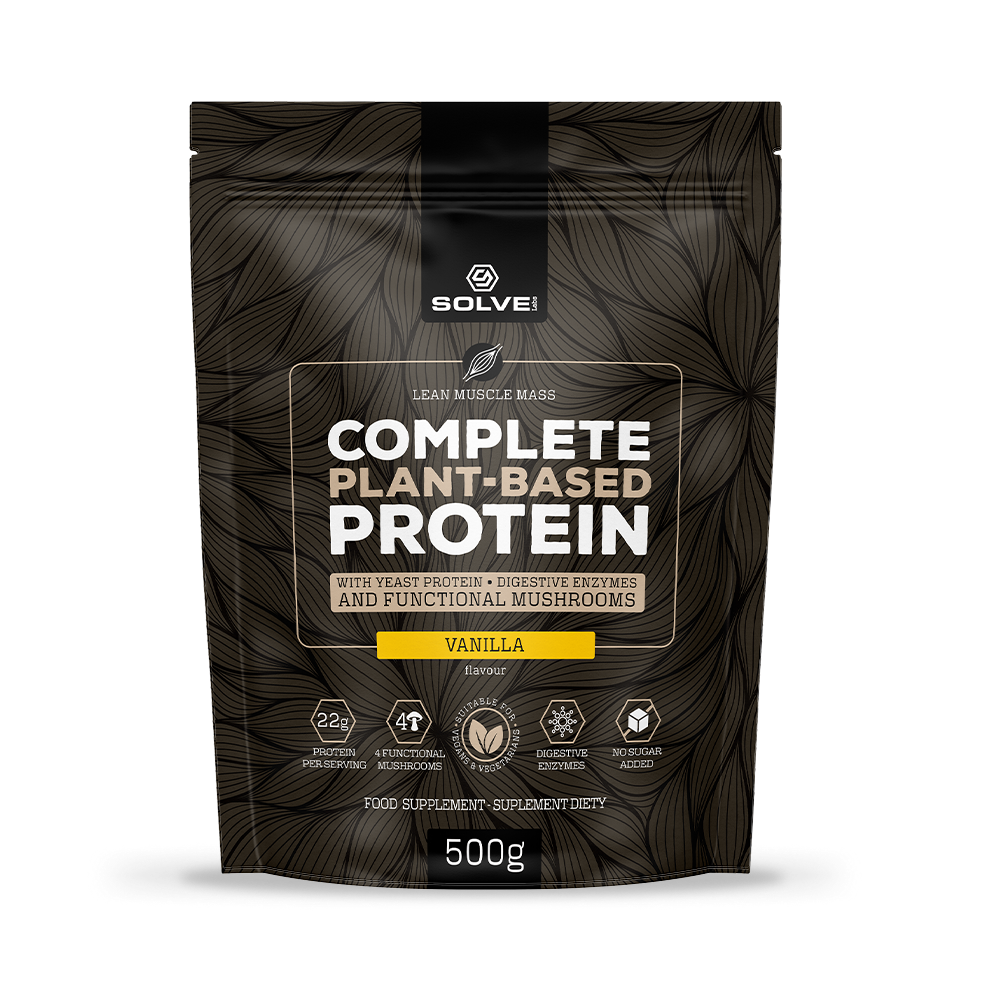
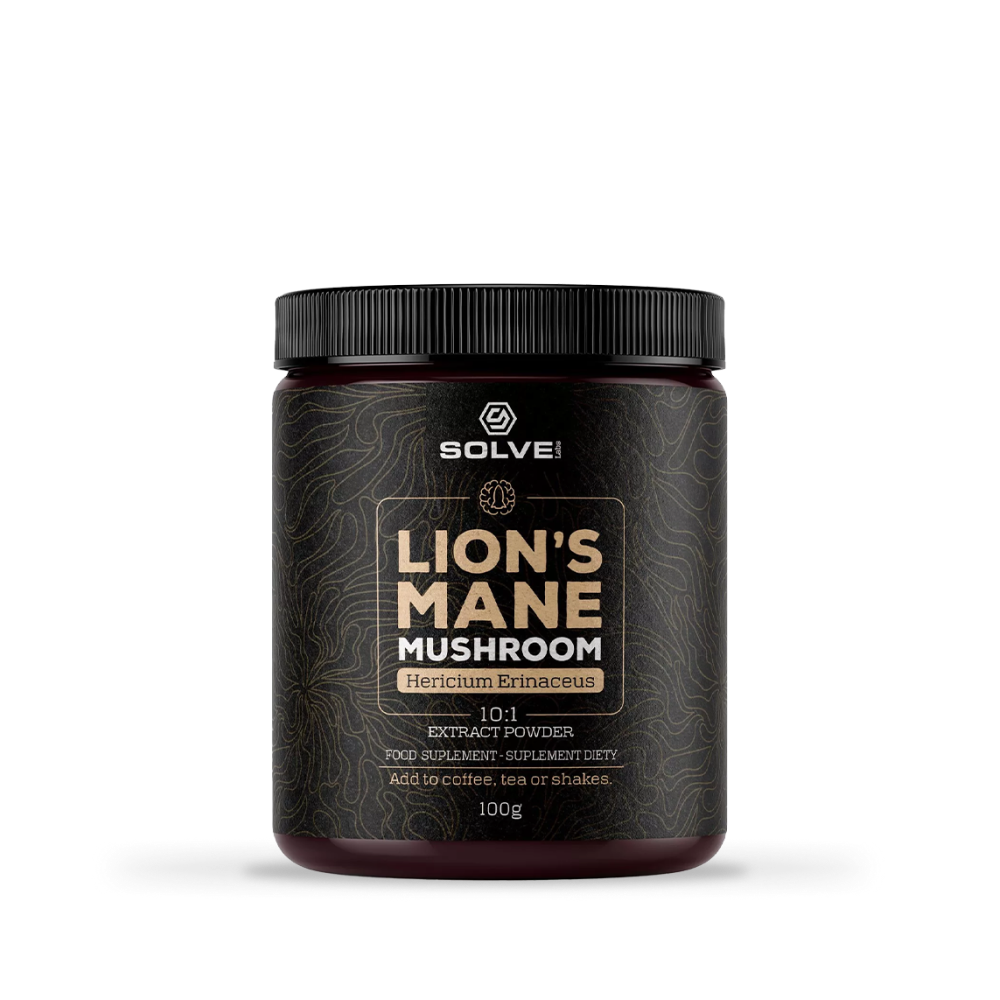
A new category of plant-based protein blends layers functional mushrooms, like lion's mane or reishi, directly into the formula. The result: core muscle-recovery nutrition plus cognitive and recovery support in a single serving. Solve Labs' vegan protein takes this approach, four powerful plant protein sources combined with functional mushrooms for faster recovery and muscle growth, no bloating, just results.
Mixability Engineered In
Gritty texture and chalky aftertaste are the two reasons most people abandon vegan protein. The best formulas are developed specifically to dissolve smoothly, in a shaker with water, blended into a smoothie, or stirred into oatmeal. If a powder fights you every morning, you won't use it.
Who Actually Benefits from Vegan Protein Powder?
The short answer: more people than you'd think. Vegan protein isn't just for vegans.
- Athletes and fitness enthusiasts, supports muscle repair and growth without dairy-related digestive load.
- Vegans and vegetarians, a convenient, reliable complete protein source when whole-food variety is limited.
- People with dairy sensitivities, a clean alternative to whey that won't trigger bloating or discomfort.
- Health-conscious consumers, anyone prioritizing natural sourcing and transparent labels over cheap mass-market options.
- Anyone increasing daily protein intake, versatile enough to slot into any dietary pattern.
How Do You Actually Use Vegan Protein Powder Day-to-Day?
Versatility is a genuine advantage here. A quality vegan protein integrates into your routine without friction:
- Shaken with water or plant milk, fast, portable, post-workout.
- Blended into smoothies for a quick refuel with fruit and greens.
- Stirred into oatmeal or cereal for an effortless morning protein boost.
- Folded into baking recipes, protein pancakes, muffins, energy balls, to hit your macros without thinking about it.
How Does a Multi-Source Blend Compare to Single-Source Vegan Proteins?
Single-source proteins like pea isolate are effective, high protein content, well-studied. But they require pairing to cover the full amino acid spectrum. A multi-source blend handles that internally, delivering complete nutrition in every scoop without requiring you to engineer your own stack. For most people, that convenience is worth the modest premium.
Explore the full range, including vegan protein and functional mushroom supplements, at the Solve Labs World site or the official store.
Frequently asked questions
Can vegan protein powder provide a complete amino acid profile?
Yes, but only if it's a multi-source blend or uses a naturally complete source like soy or hemp. Single-source pea or rice protein is near-complete but benefits from being paired with a complementary source. A well-formulated blend covers all nine essential amino acids in one serving.
Why do some vegan protein powders taste gritty or chalky?
Grit and chalkiness typically come from coarse particle size and the natural fiber content of plant proteins. Premium formulas invest in finer milling and specific emulsifiers to achieve smooth mixability, it's a formulation quality issue, not an inherent flaw of plant protein.
What's the advantage of vegan protein with functional mushrooms added?
Combining plant protein with functional mushrooms, like lion's mane or reishi, means you get muscle recovery support and additional benefits (cognitive function, physical restoration, antioxidant activity) in a single daily serving, rather than managing multiple separate supplements.
Disclaimer: These statements have not been evaluated by the Food and Drug Administration. This product is not intended to diagnose, treat, cure, or prevent any disease. Consult a healthcare professional before use.
