
Mushroom Beta-Glucans & Autoimmune Support: What Actually Works
Mushroom Beta-Glucans & Autoimmune Support: What Actually Works
- At a Glance
- What Are Beta-Glucans?
- How Do Beta-Glucans Work in the Immune System?
- What Does the Evidence Actually Say?
- Which Mushrooms Have the Best Beta-Glucan Profiles for Immune Support?
- How Much Should You Take?
- How Long Until It Works?
- What Are the Side Effects and Risks?
- What to Look For When Buying Mushroom Supplements
- Beta-Glucans vs. Other Immune Supplements: How Do They Compare?
- Who Should Take Mushroom Beta-Glucan Supplements?
- Related guides
Beta-glucans from functional mushrooms are not a cure for autoimmune disease. They are biological response modulators (BRMs), compounds that retrain dysregulated immune cells rather than suppressing or stimulating them wholesale. The pre-clinical evidence is mechanistically solid; human clinical data for autoimmune-specific outcomes is still catching up, and anyone who tells you otherwise is selling something.
At a Glance
| Factor | Detail |
|---|---|
| Key compounds | Beta-1,3/1,6-D-glucans (primary), triterpenes, ergosterol |
| Primary mechanism | Dectin-1 receptor binding → trained immunity, Treg expansion, gut barrier support |
| Top mushroom sources | Turkey Tail, Reishi, Chaga, Maitake, Shiitake, Oyster, Chanterelle |
| Typical effective dose | 500-3,000 mg standardized extract/day depending on species and beta-glucan % |
| Who it's for | Adults seeking immune rebalancing as adjunct support, not acute disease treatment |
| Evidence strength (autoimmune) | Moderate pre-clinical; limited direct human trials |
| Evidence strength (cancer adjunct) | Strong, multiple meta-analyses confirm survival benefit during chemotherapy |
| Key quality marker | Standardized beta-glucan % on label, third-party COA, fruiting body vs. mycelium-on-grain |
What Are Beta-Glucans?
Beta-glucans are polysaccharides, long chains of glucose, found in the cell walls of fungi, yeast, oats, and barley. In mushrooms, the predominant forms are beta-1,3 and beta-1,6 glucans, named for the position of the glycosidic bonds linking glucose units. That structural difference is not academic: it determines which immune receptors recognize the molecule and what signaling cascade follows. A beta-1,3 backbone with beta-1,6 branches is the configuration that most potently activates Dectin-1 on macrophages and dendritic cells.
Not all mushroom products deliver meaningful beta-glucan content. Mycelium grown on grain substrate, the dominant cheap manufacturing method, is heavily diluted with starch from the grain itself, sometimes 50-70% of the powder by weight. That starch is not inert filler; it actively displaces the fungal material you're paying for. A product that doesn't state a standardized beta-glucan percentage on the label almost certainly hasn't been tested for it, which means you're flying blind on dose.
How Do Beta-Glucans Work in the Immune System?
The core mechanism starts at the Dectin-1 receptor (also called CLEC7A or betaGR), expressed on macrophages, dendritic cells, and neutrophils. When beta-glucans bind Dectin-1, they trigger a signaling cascade through the Syk/CARD9 pathway and downstream Akt/mTOR/HIF1α axis that causes epigenetic reprogramming of innate immune cells, specifically, histone and DNA methylation changes that alter gene expression durably. The result is what researchers call trained immunity: cells that respond faster and more efficiently to future threats without being locked in chronic over-activation. This is the mechanistic basis for the "rebalancing" claim, and it's real.
Beta-glucans also engage several secondary receptors, each with distinct downstream effects:
- CR3 (CD11b/CD18), activated primarily by soluble beta-glucans; requires pre-existing antibody opsonization to function, which is why insoluble forms are generally more potent Dectin-1 activators
- TLR-2/6, triggers pro-inflammatory cytokine production and pattern recognition of fungal PAMPs
- Scavenger receptors and lactosylceramide, contribute to phagocytosis and reactive oxygen species (ROS) production
The autoimmune-specific relevance sits in two additional mechanisms. First, beta-glucans support expansion of regulatory T-cells (Tregs) through short-chain fatty acid (SCFA) production and GPCR signaling in the gut, the same pathway exploited by dietary fiber and probiotics, but with stronger Dectin-1-mediated amplification. Second, they reinforce the gut epithelial barrier, reducing translocation of bacterial lipopolysaccharide (LPS) into systemic circulation. LPS translocation is a documented driver of systemic inflammation in autoimmune conditions including lupus and rheumatoid arthritis. Reducing that inflammatory ingress is a meaningful target, even if it's indirect.
The net effect is what immunologists describe as PRR recalibration: pattern recognition receptor signaling is tuned to prevent hyperactive responses without eliminating normal immune surveillance. That's the mechanism behind the term "immune modulation", not suppression, not stimulation, but recalibration of the threshold.
What Does the Evidence Actually Say?
Strong Evidence (Multiple Meta-Analyses)
- Beta-glucans as adjuncts to chemotherapy improve survival outcomes in gastric, colorectal, lung, and breast cancers. This is the most robustly supported clinical application, multiple meta-analyses confirm the benefit, and lentinan from shiitake has been used as an approved IV adjunct therapy in Japan for decades.
- Oral yeast-derived beta-1,3/1,6-glucans (such as Yestimun®) significantly increase phagocytic activity of granulocytes and monocytes, boost oxidative burst in response to E. coli, and raise total monocyte counts (p < 0.05) in controlled animal models, demonstrating measurable innate immune enhancement at the cellular level.
Moderate Evidence (Animal and In Vitro Studies)
- In dogs with inflammatory bowel disease, beta-glucan treatment significantly decreased pro-inflammatory IL-6 and increased anti-inflammatory IL-10 compared to controls, a direct, quantified shift in cytokine balance toward an anti-inflammatory profile. This is the best available analog for human autoimmune gut pathology, and it's in a mammalian model with a disease that closely mirrors human IBD.
- Dectin-1 binding and trained immunity induction are well-characterized mechanistically across multiple cell and animal models. The epigenetic reprogramming is reproducible and durable across studies.
- Treg expansion via SCFA-GPCR signaling has been demonstrated in rodent models of autoimmune colitis, with measurable reductions in disease activity scores.
Weak or Preliminary Evidence (Human Autoimmune Trials)
- Direct human RCTs for conditions like rheumatoid arthritis, lupus, or multiple sclerosis remain scarce. The available human data is mostly immune biomarker studies, changes in cytokine levels or lymphocyte counts, not disease resolution endpoints. That's a meaningful gap.
- Insoluble beta-glucans are more effective at Dectin-1 activation; soluble forms work primarily through the complement system and require pre-existing antibodies. This distinction matters for product selection but is almost never communicated on supplement labels.
The honest summary: The mechanism is real, well-characterized, and plausible for autoimmune benefit. The human autoimmune-specific evidence does not yet justify replacing prescribed treatments. Beta-glucans are adjunct immune support, that framing is not a hedge, it's the accurate clinical position.
Which Mushrooms Have the Best Beta-Glucan Profiles for Immune Support?
| Mushroom | Key Beta-Glucan / Active | Primary Immune Mechanism | Evidence Strength |
|---|---|---|---|
| Turkey Tail (Trametes versicolor) | PSK (Krestin), PSP, beta-1,3/1,6-glucan protein complexes | Treg expansion, NK cell activation, gut microbiome modulation | Strong (cancer adjunct); moderate (immune modulation) |
| Reishi (Ganoderma lucidum) | Beta-1,3-glucans + triterpenes (ganoderic acids A, Z) | Dectin-1 activation, anti-inflammatory cytokine shift, NF-κB suppression | Moderate pre-clinical; limited human RCTs |
| Chaga (Inonotus obliquus) | Beta-glucans + betulinic acid, melanin complexes | Antioxidant, NF-κB inhibition, macrophage activation | Preliminary; mostly in vitro and animal data |
| Maitake (Grifola frondosa) | D-fraction (beta-1,6-glucan with beta-1,3 branches) | Macrophage and NK cell activation, IL-12 upregulation | Moderate, D-fraction studied in human pilot trials |
| Shiitake (Lentinula edodes) | Lentinan (beta-1,3-glucan with beta-1,6 branches) | T-cell and macrophage activation; approved IV cancer adjunct in Japan | Strong for IV lentinan; oral bioavailability less studied |
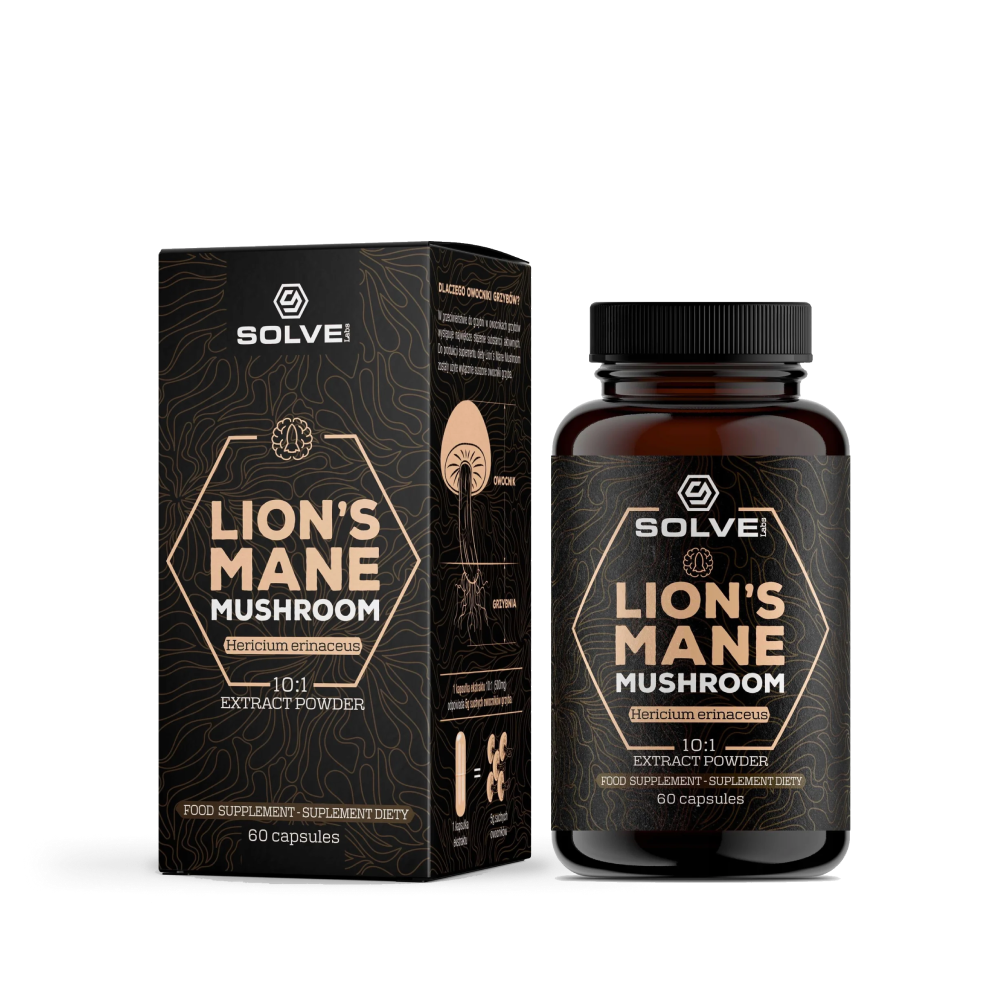
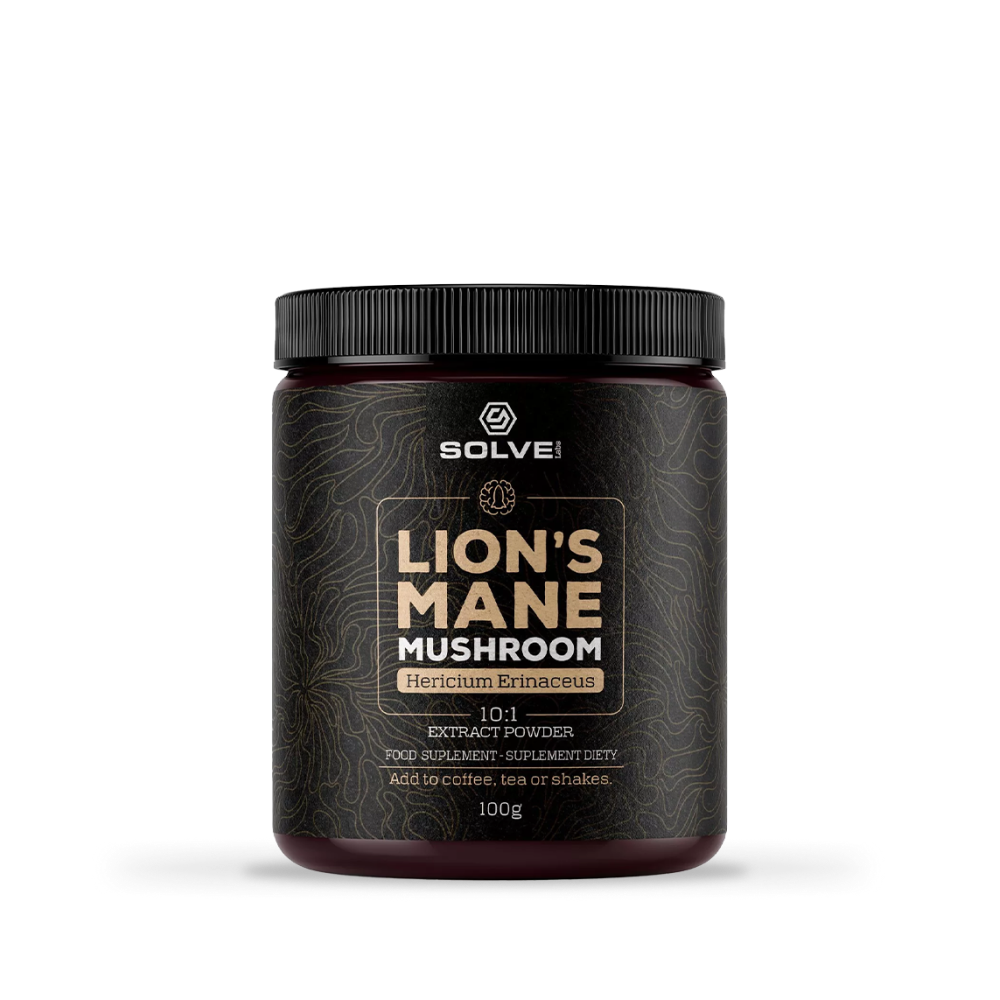
| Lion's Mane (Hericium erinaceus) | Beta-glucans + hericenones/erinacines | NGF stimulation, neurological support; indirect immune benefit via gut-brain axis | Moderate for cognition; limited for autoimmune specifically |
| Oyster / Chanterelle | Beta-1,3/1,6-glucans | Dietary broad-spectrum beta-glucans; complement system activation | Food-level evidence; limited supplement-specific trials |
Turkey Tail is the strongest choice for immune-specific supplementation: PSK is the most clinically studied mushroom-derived immunomodulator in the world, with decades of Japanese oncology data behind it. Reishi adds triterpene-mediated NF-κB suppression that beta-glucans alone don't provide. Maitake's D-fraction is the only mushroom beta-glucan fraction that has been through human pilot trials specifically for immune activation. A combination approach covering these three covers more mechanistic ground than any single species.
One underappreciated distinction: yeast-derived beta-1,3/1,6-glucans (from Saccharomyces cerevisiae) are particularly potent Dectin-1 activators, often more so than mushroom-derived glucans, because of their highly branched structure. Products that combine yeast-derived and mushroom-derived beta-glucans cover more receptor pathways simultaneously than mushroom-only formulations.
How Much Should You Take?
These ranges apply to standardized extracts (typically 8:1 to 12:1 concentration), not raw mushroom powder. Raw powder doses would need to be 8-12× higher to approximate the same active content, and that's only true if the raw powder has been properly extracted to break down the chitin cell wall.
| Mushroom | Typical Dose Range | Minimum Beta-Glucan % to Look For |
|---|---|---|
| Turkey Tail | 1,000-3,000 mg/day | ≥30% |
| Reishi | 1,000-2,000 mg/day | ≥20% polysaccharides (specify beta-glucans, not total polysaccharides) |
| Chaga | 500-1,500 mg/day | ≥20% polysaccharides |
| Maitake | 500-1,000 mg/day | ≥15% beta-glucans |
| Shiitake | 1,000-2,000 mg/day | ≥25% |
| Lion's Mane | 500-1,500 mg/day | ≥20% beta-glucans |
One label trap worth knowing: some manufacturers list "polysaccharides" instead of "beta-glucans." These are not interchangeable. Polysaccharides is a broader category that includes alpha-glucans (starch), which are biologically inert for immune purposes. A product listing 40% polysaccharides might contain mostly starch with minimal beta-glucan content. Demand the beta-glucan number specifically.
Take mushroom supplements with food. GI discomfort, the most common complaint, occurs almost exclusively when supplements are taken on an empty stomach. A small meal buffers the polysaccharide load on the digestive tract without meaningfully reducing absorption.
How Long Until It Works?
Trained immunity takes time to establish at the epigenetic level. Based on the available data:
- 2-4 weeks: Early shifts in cytokine profiles, IL-6 reduction, IL-10 increase, may begin in people with pre-existing inflammatory dysregulation
- 4-8 weeks: Measurable changes in phagocytic activity and monocyte counts appeared in animal studies after consistent daily dosing in this window
- 8-12 weeks: Treg expansion and gut barrier reinforcement effects are studied over this timeframe in most relevant models
There is no reliable subjective marker that tells you it's working. Immune modulation is not like taking a stimulant, you will not feel it acutely. If you stop after two weeks because nothing seems to be happening, you've stopped before the mechanism had time to take effect. The minimum honest trial period is eight weeks at a consistent therapeutic dose.
What Are the Side Effects and Risks?
Mushroom beta-glucans have a strong general safety profile. The following risks are real and should not be minimized:
- GI discomfort: Dose-dependent and almost entirely preventable by taking with food. Not a reason to stop; a reason to adjust timing.
- Immunosuppressant drug interactions: If you are on cyclosporine, tacrolimus, mycophenolate, or biologic agents (TNF inhibitors, IL-17 inhibitors, JAK inhibitors) for an autoimmune condition, adding an immune modulator without physician oversight is not appropriate. The interaction risk is not well-characterized in human trials, which is itself a reason for caution.
- Heavy metal contamination: Mushrooms are hyperaccumulators, they absorb heavy metals and pesticides from their growing substrate with unusual efficiency. This is not a theoretical concern. Products sourced from unaudited growing environments carry real contamination risk, and heavy metals bioaccumulate with chronic supplementation. Third-party testing is not optional due diligence here; it's the primary safety gate.
- Oxalate nephropathy from Chaga: Chaga has among the highest oxalate content of any commonly supplemented mushroom. High-dose Chaga supplementation has been linked to oxalate nephropathy in published case reports. Anyone with kidney disease, a history of calcium oxalate kidney stones, or hyperoxaluria should avoid Chaga supplementation or use only very low doses with medical supervision.
- Mold and microbial contamination: Poorly processed mushroom powders can carry aflatoxins or bacterial contamination. A legitimate COA should confirm this is tested, not just assumed.
What to Look For When Buying Mushroom Supplements
This is where most purchases go wrong. The functional mushroom supplement market is largely unregulated, and the gap between a high-quality product and a bag of grain starch with trace mushroom content is enormous, and invisible on most labels.
- Fruiting body, not mycelium-on-grain: Fruiting bodies contain the highest concentration of beta-glucans. Mycelium grown on grain (oats, brown rice) retains large amounts of substrate starch in the final powder. If a product doesn't specify fruiting body, the default assumption should be mycelium-on-grain.
- Standardized beta-glucan percentage on the label, not just "polysaccharides": You need a specific beta-glucan number. "Polysaccharides" includes starch. If the label doesn't distinguish, the product hasn't been tested for what matters.
- Third-party Certificate of Analysis (COA): Should confirm beta-glucan content, heavy metals (lead, arsenic, mercury, cadmium at minimum), microbial safety (total plate count, yeast, mold, pathogens), and pesticide residues. If a brand won't share this on request, that is a disqualifying red flag, not a yellow flag.
- Extraction method disclosed: Hot water extraction is required to break down the chitin cell wall and release beta-glucans into bioavailable form. Dual extraction (hot water + alcohol) is additionally required to extract triterpenes from species like Reishi. Raw mushroom powder with no extraction step is largely indigestible, the beta-glucans are locked inside chitin that human digestive enzymes cannot break down.
- Verified manufacturer = seller: On major marketplaces, the listed brand and actual seller frequently differ. Check that the sold-by entity matches the brand, or buy direct from the manufacturer's website to reduce counterfeiting and substitution risk.
Beta-Glucans vs. Other Immune Supplements: How Do They Compare?
| Supplement | Mechanism | Autoimmune Evidence | Key Limitation |
|---|---|---|---|
| Mushroom beta-glucans | Dectin-1 trained immunity, Treg expansion, gut barrier | Moderate pre-clinical; limited human RCTs | Human autoimmune RCTs sparse; soluble vs. insoluble distinction ignored on most labels |
| Vitamin D3 | VDR nuclear receptor activation, Treg upregulation, antimicrobial peptide induction | Moderate, deficiency strongly associated with autoimmune risk in observational data; supplementation trials mixed | Effect size depends heavily on baseline deficiency; supplementing replete individuals shows minimal benefit |
| Omega-3 (EPA/DHA) | Resolvin/protectin synthesis, NF-κB inhibition, membrane phospholipid displacement of arachidonic acid | Moderate for RA (modest symptom reduction); mixed for lupus, MS | High doses required for anti-inflammatory effect; oxidation risk in low-quality products negates benefit |
| Probiotics | Gut barrier reinforcement, Treg expansion via SCFA, competitive exclusion of pathobionts | Mixed, strain-specific effects; Lactobacillus rhamnosus and Bifidobacterium longum have most data | Strain selection matters enormously; most commercial products are under-dosed and wrong-strained for immune outcomes |
| Curcumin (bioavailable) | NF-κB inhibition, IL-1β and TNF-α suppression | Moderate for IBD; limited for systemic autoimmune conditions | Native curcumin bioavailability is <1%; requires phospholipid complex, liposomal, or piperine delivery to reach therapeutic tissue levels |
Beta-glucans are not superior across the board, they occupy a specific niche as trained immunity modulators and Treg expanders via Dectin-1. Vitamin D3 works through a completely different nuclear receptor pathway. Omega-3s address the lipid mediator arm of inflammation that beta-glucans don't touch. A combination of beta-glucans, vitamin D3 (if deficient), and omega-3s addresses more mechanistic pathways simultaneously than any single supplement, and none of them replace disease-modifying therapy for active autoimmune conditions.
Who Should Take Mushroom Beta-Glucan Supplements?
Most likely to benefit:
- Adults with diagnosed autoimmune conditions seeking adjunct immune support alongside medical treatment, not as a replacement for it
- People with frequent infections or slow immune recovery between illnesses
- Those undergoing cancer treatment, the best-supported clinical use case by a significant margin
- Individuals with documented gut permeability concerns who want barrier support alongside dietary intervention
Approach with caution or consult a physician first:
- Anyone on immunosuppressant drugs, biologics, corticosteroids, calcineurin inhibitors, JAK inhibitors
- People with kidney disease or a history of calcium oxalate kidney stones (particularly regarding Chaga)
- Pregnant or breastfeeding women, there is insufficient safety data in this population to make a responsible recommendation either way
Unlikely to see meaningful benefit:
- Healthy adults with no immune dysfunction expecting a dramatic or acute effect
- Anyone unwilling to commit to a minimum 8-week consistent trial at a therapeutic dose
- Anyone relying on products without a disclosed beta-glucan percentage and third-party COA
- Dectin-1 signaling and trained immunity (beta-glucan mechanism)
- Beta-glucans as biological response modulators in autoimmune and inflammatory conditions
- IL-6 and IL-10 cytokine modulation by beta-glucans in IBD model
- Yestimun beta-1,3/1,6-glucan: phagocytic activity and oxidative burst in animal models
- Treg expansion and gut barrier support via SCFA-GPCR signaling and beta-glucans
- Meta-analysis: beta-glucans as cancer chemotherapy adjuncts (gastric, colorectal, lung, breast)
- Receptor specificity of beta-glucans: CR3, TLR-2/6, scavenger receptors
- Insoluble vs. soluble beta-glucan pathways and immune activation
Frequently asked questions
Do mushroom supplements actually help with autoimmune disease?
Beta-glucans from mushrooms are biological response modulators, they retrain immune cells rather than suppress or stimulate them wholesale. The pre-clinical evidence shows real, well-characterized mechanisms: Dectin-1 binding triggers epigenetic reprogramming of innate immune cells (trained immunity), beta-glucans expand regulatory T-cells via SCFA-GPCR signaling, and in a mammalian IBD model, beta-glucan treatment produced significant reductions in pro-inflammatory IL-6 alongside measurable increases in anti-inflammatory IL-10. However, direct human RCTs for autoimmune disease resolution, not just biomarker changes, remain limited. The honest position: mushroom supplements are best used as adjunct support alongside medical treatment, not as a replacement. The mechanism justifies their use; the human evidence doesn't yet justify using them instead of prescribed therapy.
What's the difference between mycelium and fruiting body mushroom supplements?
Fruiting bodies are the actual mushroom cap and stem, the part with the highest concentration of beta-glucans. Mycelium is the root-like vegetative structure, and most commercial mycelium supplements are grown on grain substrate (oats or brown rice). The problem: the final dried powder retains 50-70% grain starch by weight, which is biologically inert for immune purposes. You're paying for mushroom and getting mostly starch. Look for products that explicitly state 'fruiting body' and list a standardized beta-glucan percentage, not just 'polysaccharides,' which includes starch. If neither is stated on the label, assume low potency.
How do I verify a mushroom supplement is third-party tested and not contaminated?
Ask the brand directly for a Certificate of Analysis (COA) from an independent third-party laboratory, not an in-house test. A legitimate COA will confirm the actual beta-glucan percentage (not just polysaccharides), test for heavy metals (lead, arsenic, mercury, cadmium), microbial safety (total plate count, yeast, mold, absence of pathogens like Salmonella and E. coli), and pesticide residues. This matters more for mushrooms than most supplements because fungi are hyperaccumulators, they absorb contaminants from their growing substrate at unusually high rates, and heavy metals bioaccumulate with chronic use. If a brand doesn't make its COA available on its website or on request, that's a disqualifying red flag, not a minor inconvenience.
Can I take mushroom beta-glucans if I'm already on immunosuppressant medication?
Not without physician oversight. If you are on cyclosporine, tacrolimus, mycophenolate, or biologic agents, TNF inhibitors, IL-17 inhibitors, JAK inhibitors, for an autoimmune condition, adding an immune modulator creates an interaction risk that is not well-characterized in human trials. That uncertainty is itself a reason for caution, not reassurance. Beta-glucans recalibrate immune signaling; so do your medications. How they interact at the cellular level in your specific condition has not been studied adequately. Bring the specific product and dose to your rheumatologist or immunologist before starting.
Why does the extraction method matter for mushroom supplements?
Mushroom cell walls are made of chitin, the same material in insect exoskeletons, which human digestive enzymes cannot break down. Beta-glucans locked inside an unextracted cell wall pass through your gut largely intact and unabsorbed. Hot water extraction breaks down the chitin and releases beta-glucans into bioavailable form. For species like Reishi that also contain triterpenes (ganoderic acids), dual extraction, hot water plus alcohol, is additionally required, because triterpenes are not water-soluble. Raw mushroom powder or products that don't disclose their extraction method should be assumed to have low bioavailability regardless of the milligram count on the label.
Disclaimer: These statements have not been evaluated by the Food and Drug Administration. This product is not intended to diagnose, treat, cure, or prevent any disease. Consult a healthcare professional before use.
