

Cordyceps vs Lion's Mane: Match the Mushroom to Your Goal
Cordyceps vs Lion's Mane: Match the Mushroom to Your Goal

- Lion's Mane stimulates Nerve Growth Factor (NGF) via hericenones and erinacines, measurable cognitive improvements appear at 2-4 weeks, with peak effects around 8-12 weeks of daily use.
- Cordyceps raises ATP output and VO2 max through cordycepin and adenosine modulation, exercise tolerance improvements can appear in as little as one week.
- A 2023 Nutrients study confirmed Lion's Mane improved focus, mood, and stress in young adults over 12 weeks, the benefits aren't limited to older populations or clinical decline.
- Both mushrooms share adaptogenic and immune-supporting properties, but their primary mechanisms are distinct enough that stacking them targets different systems simultaneously.
- The Core Framework: Brain vs. Body Energy
- How Lion's Mane Stimulates Nerve Growth Factor
- How Cordyceps Raises ATP Output
- Scenario Guide: Which One Fits Your Situation
- The Case for Stacking, and When It Makes Sense
- What Both Mushrooms Share, and Where the Evidence Gets Thinner
- The Quality Variable That Changes Everything
- Related guides
The honest answer most guides skip: these two mushrooms do not compete. They operate on entirely different biological systems, one rewires your brain's maintenance crew, the other fuels your cells' power stations. Choosing between them isn't about which is "better." It's about which problem you're actually trying to solve.
The Core Framework: Brain vs. Body Energy
Think of it this way. Lion's Mane works upstream, it signals your nervous system to repair, grow, and protect itself. Cordyceps works at the cellular engine level, it increases the raw fuel your muscles and organs run on. Different inputs, different outputs, different timelines.
If your main frustration is brain fog, inconsistent focus, or memory that feels slower than it should, that's a nervous system story. Lion's Mane. If your issue is physical fatigue, low stamina, or workouts that stall before you do, that's an energy metabolism story. Cordyceps.
How Lion's Mane Stimulates Nerve Growth Factor
Lion's Mane (Hericium erinaceus) contains two classes of bioactive compounds found in no other mushroom: hericenones in the fruiting body and erinacines in the mycelium. Both cross the blood-brain barrier and stimulate the synthesis of Nerve Growth Factor, a protein that governs the growth, maintenance, and survival of neurons.
This isn't a vague "supports brain health" claim. NGF is a measurable biochemical signal. When it rises, neurons maintain their structure more effectively, synaptic connections strengthen, and cognitive processing becomes more reliable over time.
The clinical evidence is credible, if not yet massive. A randomized double-blind study by Mori et al. (2009) tested Lion's Mane in adults aged 50-80 with mild cognitive impairment. After 16 weeks of daily supplementation, the treatment group showed statistically significant improvements in cognitive test scores versus placebo. The researchers then confirmed the mechanism was real, not habitual, by observing scores return to baseline within four weeks of stopping. That reversibility is actually a feature of the science: it rules out placebo drift and tells you the compound is doing active work while you take it.
More relevant for most readers: a 2023 study published in Nutrients tested Lion's Mane in young adults, not elderly patients, for 12 weeks. Participants reported meaningful improvements in cognitive function, stress levels, and mood compared to placebo. Focus and reduced mental fatigue were the most consistently noted effects. The cognitive benefits of Lion's Mane are not reserved for clinical decline; they're relevant to anyone operating below their mental ceiling.
Timeline to expect: most people notice sharper focus and faster mental retrieval within 2-4 weeks. The deeper improvements in memory consolidation and sustained clarity typically emerge at the 8-12 week mark. Consistency is the non-negotiable variable here.
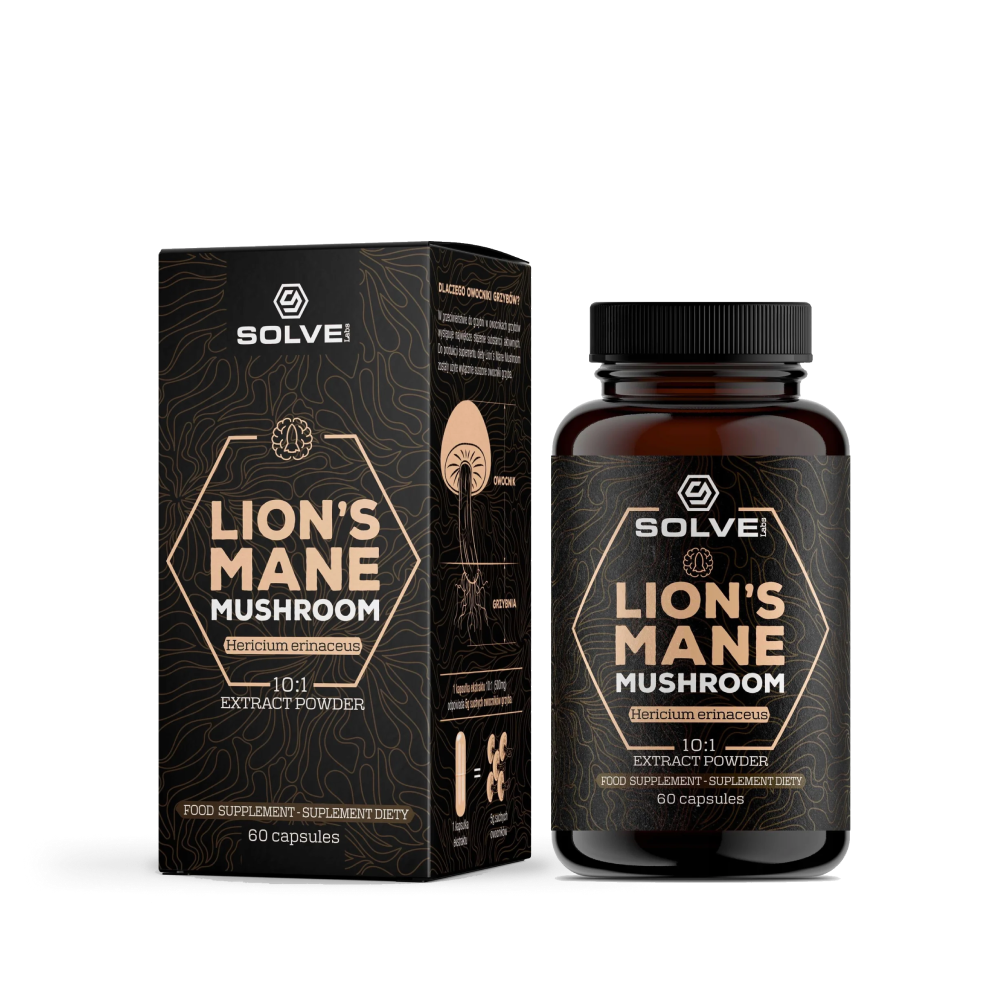
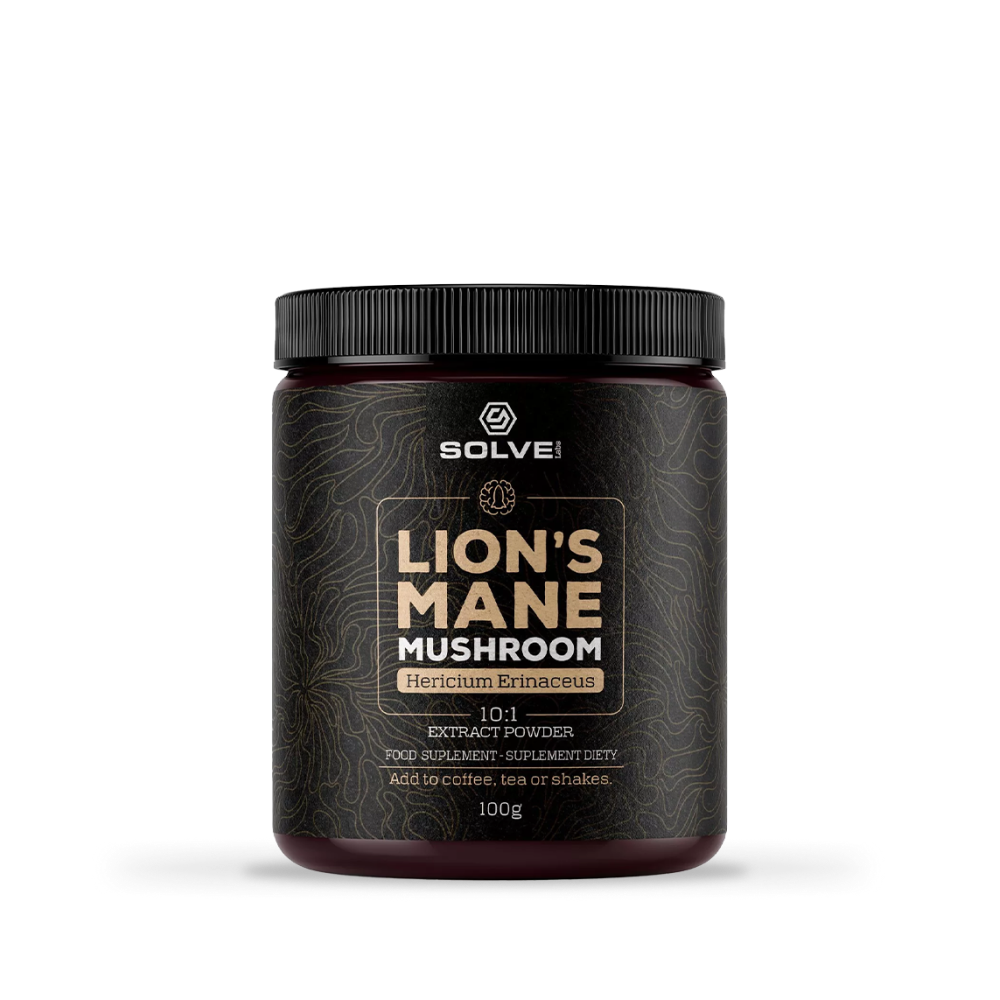
For anyone prioritising cognitive output, a high-extract Lion's Mane capsule, standardised for both hericenones and erinacines, is the logical starting point. Solve Labs' Lion's Mane Capsules are formulated as a concentrated dual-extract to hit both compound classes, which matters given that mycelium-only products miss the hericenones entirely.
How Cordyceps Raises ATP Output
Cordyceps (Cordyceps militaris or Cordyceps sinensis) works through a fundamentally different mechanism. Its key compounds, primarily cordycepin and adenosine, modulate adenosine receptors and support mitochondrial energy production, directly increasing the synthesis of ATP, the primary energy currency every cell in your body runs on.
More ATP means more available fuel for sustained physical output. More efficient oxygen utilisation means your aerobic threshold rises, you can work harder before fatigue sets in. A study in the Journal of Dietary Supplements found that Cordyceps supplementation improved high-intensity exercise tolerance after just one week, with continued benefit at three weeks, including measurable improvements in oxygen utilisation and time to exhaustion.
The VO2 max data is the most practically meaningful finding for endurance athletes. VO2 max, your maximum oxygen consumption rate, is one of the strongest predictors of aerobic performance. Cordyceps studies in athletes have shown it both raises VO2 max and delays the onset of muscle fatigue under aerobic load. One week is a short timeline for a supplement to produce a measurable physiological shift. That speed of effect reflects how directly Cordyceps acts on energy metabolism, rather than on longer-term structural changes like NGF expression.
It's worth noting: some research suggests Cordyceps may also reduce cognitive fatigue, likely as a downstream effect of better cellular energy availability. But this is less definitively established than its physical performance benefits. If cognitive performance is your primary goal, Lion's Mane has the more targeted and better-evidenced mechanism.
Scenario Guide: Which One Fits Your Situation
| Your Primary Goal | Best Match | Why |
|---|---|---|
| Studying, deep work, memory retention | Lion's Mane | NGF stimulation supports neuron maintenance and synaptic strength |
| Endurance training, athletic performance | Cordyceps | ATP upregulation and VO2 max improvement within 1-3 weeks |
| Brain fog, mental fatigue, slow cognition | Lion's Mane | Directly targets nervous system maintenance and cognitive repair |
| Low physical energy, stamina crashes | Cordyceps | Mitochondrial energy production and oxygen efficiency |
| Mood and stress alongside focus | Lion's Mane (+ adaptogens) | Anti-inflammatory mechanisms show promise for mood; stack with Ashwagandha or Rhodiola for stress resilience |
| Performing mentally and physically | Both, stack them | Different mechanisms, zero known antagonism, complementary targets |
The Case for Stacking, and When It Makes Sense
Because Cordyceps and Lion's Mane act on different systems, mitochondrial energy versus neuronal maintenance, they don't compete. There's no known antagonism between them, and the logic for combining them is straightforward: if you want to perform mentally and physically without sacrificing one for the other, you address both pathways.
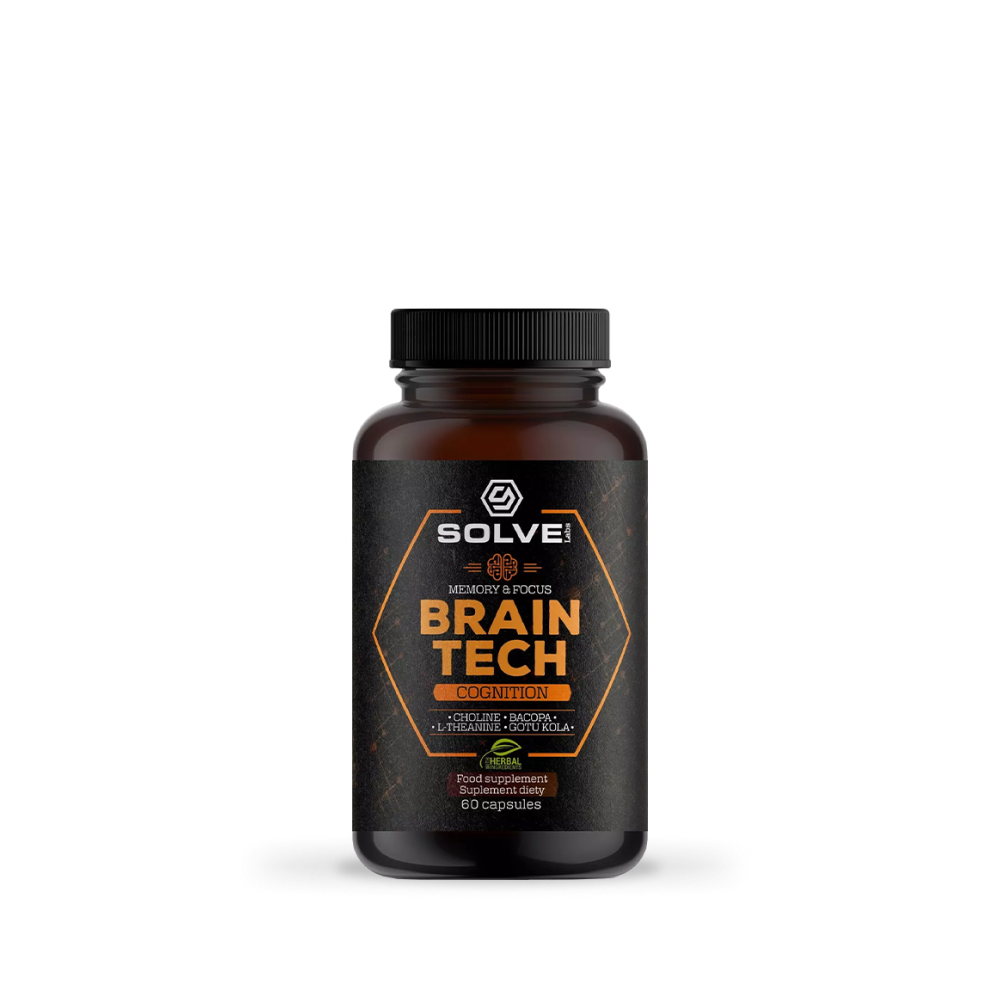
The more interesting stacking question is what you add alongside them. Lion's Mane pairs naturally with compounds that support the same cognitive pathways it activates, CDP-Choline (which optimises acetylcholine synthesis), Bacopa Monnieri (which supports memory consolidation and processing speed), and L-Theanine (which promotes calm, focused alertness). These aren't redundant; they work on distinct but adjacent mechanisms, which is why multi-ingredient nootropic formulas built around Lion's Mane tend to outperform single-ingredient approaches for cognitive goals.
One honest caveat on stacking: more ingredients means more variables. If you're new to functional mushrooms, starting with a single compound lets you clearly attribute what you're feeling to what you're taking. Once you've established a baseline response, typically after 4-8 weeks, adding a second compound gives you cleaner signal on incremental benefit.
What Both Mushrooms Share, and Where the Evidence Gets Thinner
Both Cordyceps and Lion's Mane act as adaptogens, meaning they support the body's resilience to stress, not by blocking the stress response, but by making physiological systems more robust over time. Both also show preliminary evidence for immune modulation, anti-cancer activity, and blood sugar regulation.
But "preliminary" is doing real work in that sentence. The immune and metabolic data for both mushrooms is largely preclinical or based on smaller human studies. It's promising, not proven. The cognitive data for Lion's Mane and the performance data for Cordyceps are meaningfully stronger. That's where you should anchor your expectations.
Similarly, Lion's Mane shows early-stage evidence for reducing anxiety and depression symptoms via anti-inflammatory pathways. The mechanism is plausible. The current studies are small. It shouldn't be your first-line intervention for clinical mood disorders, but if you're experiencing low mood alongside cognitive sluggishness, it's a reasonable addition to a broader approach.
The Quality Variable That Changes Everything
Extract quality determines whether any of the above applies to the product you're actually taking. Whole mushroom powder and genuine dual-extract are not equivalent. Hericenones require fruiting body material; erinacines require mycelium. A product standardised for beta-glucan content only, without specifying active compound concentration, tells you almost nothing about NGF-stimulating potency. The same applies to Cordyceps: cordycepin content varies dramatically between suppliers, and mycelium grown on grain substrate often delivers more starch than active compounds.
The question to ask of any mushroom supplement is simple: what is the extract ratio, and which actives are standardised? If the label doesn't answer that, the dose probably doesn't either.
- Mori et al. (2009), Improving effects of the mushroom Yamabushitake on mild cognitive impairment, Phytotherapy Research
- Docherty et al. (2023), Mushroom-derived bioactive compounds and cognitive function in young adults, Nutrients
- Chen et al., Cordyceps militaris and exercise tolerance, Journal of Dietary Supplements
- Chong et al., Hericium erinaceus bioactive compounds and mechanisms of neuroprotection, Molecules
- Cordyceps sinensis and adenosine/ATP modulation review, Evidence-Based Complementary and Alternative Medicine
Frequently asked questions
Can you take Cordyceps and Lion's Mane at the same time?
Yes, there's no known interaction between them, and their mechanisms are complementary rather than overlapping. Cordyceps targets cellular energy production; Lion's Mane targets nervous system maintenance. Many people take both, particularly those who want to address physical stamina and cognitive clarity simultaneously. If you're starting both at once, allow 4-6 weeks before evaluating results, as Lion's Mane in particular takes time to produce its full effect.
How long does Lion's Mane take to work for focus and memory?
Most people notice early improvements in focus and mental clarity within 2-4 weeks of daily use. More significant gains in memory consolidation and sustained cognitive performance typically emerge around the 8-12 week mark. Importantly, research shows these effects are reversible, they return to baseline within about 4 weeks of stopping, which confirms the compound is actively driving the benefit rather than placebo. Consistency over at least 8 weeks is the minimum reasonable trial period.
Is Cordyceps only useful for athletes, or can it help everyday fatigue too?
The strongest evidence for Cordyceps is in athletic contexts, improved VO2 max, delayed muscle fatigue, better high-intensity exercise tolerance. But the underlying mechanism (increased ATP production and improved mitochondrial efficiency) is relevant to anyone experiencing cellular energy deficits, not just trained athletes. People with persistent low energy, afternoon crashes, or general physical fatigue often report meaningful improvement. That said, if your fatigue is primarily cognitive rather than physical, Lion's Mane, or an adaptogen like Ashwagandha, may be a better primary choice.
Mentioned in this article: Lion's Mane Capsules from our range.
Disclaimer: These statements have not been evaluated by the Food and Drug Administration. This product is not intended to diagnose, treat, cure, or prevent any disease. Consult a healthcare professional before use.
