
Best Mushroom Supplement for Brain Fog, Ranked by Evidence
Best Mushroom Supplement for Brain Fog, Ranked by Evidence
- What brain fog actually is, and why the mushroom you pick matters
- Lion's mane, the strongest human evidence, by a margin
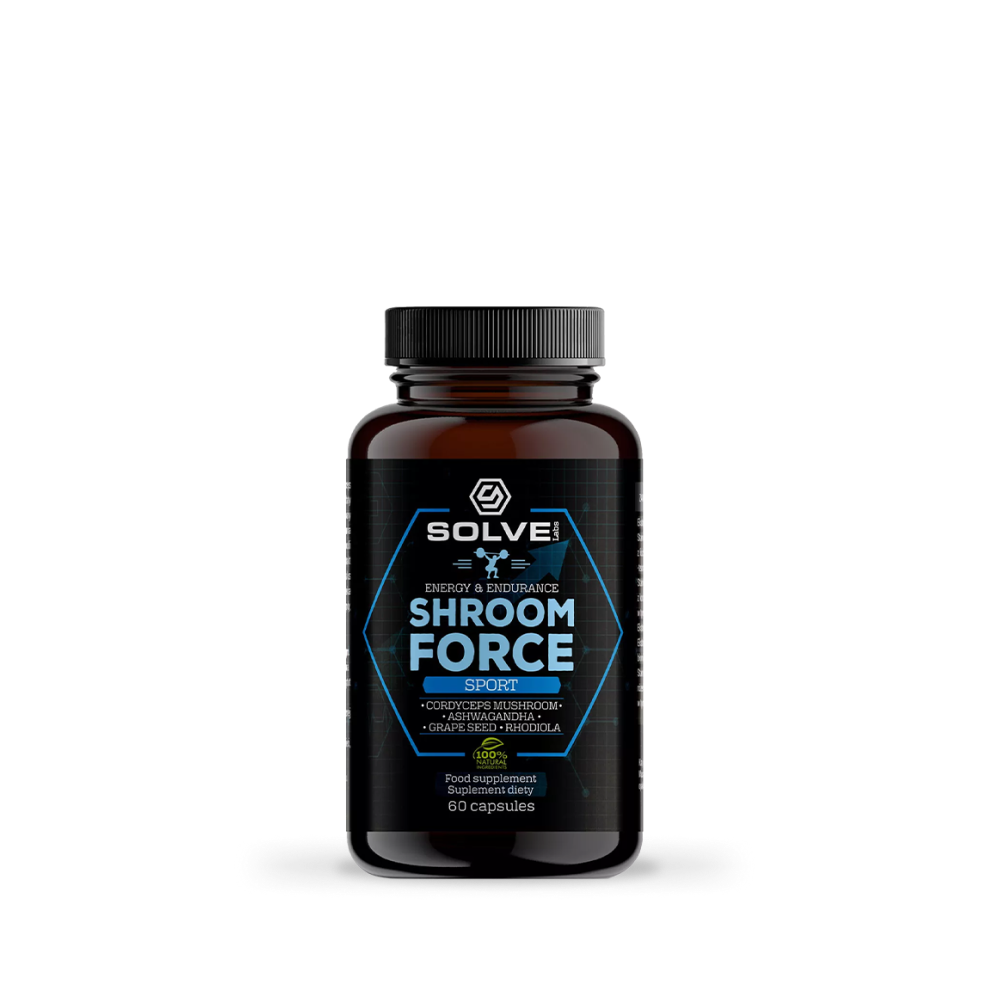
- Cordyceps, best for energy-driven fog and oxygen deficit
- Reishi, for fog rooted in oxidative stress, poor sleep, or lifestyle load
- The gut-brain axis: why polysaccharides matter across all three
- Signal vs. Noise, a decision framework worth keeping
- What the evidence doesn't yet support
- The verdict, start here
- Related guides
If you're searching for the best mushroom supplement for brain fog, here's the direct answer: lion's mane is your starting point, it's the only functional mushroom with multiple double-blind, placebo-controlled human trials specifically targeting cognitive decline. Start with a 1000mg fruiting body extract at 10:1 concentration, taken daily for a minimum of four weeks. Everything else in this article helps you build intelligently from there.
What brain fog actually is, and why the mushroom you pick matters
Brain fog is a symptom cluster: slow processing, poor working memory, difficulty concentrating, mental fatigue. Its causes are distinct, neuroinflammation, oxidative stress, poor sleep, dysregulated cortisol, gut microbiome disruption, impaired nerve growth. Different mushrooms address different roots. Taking lion's mane when your fog is stress-driven, or reishi when your neurons need rewiring, is like taking a painkiller for an infection. It takes the edge off. It won't solve the problem.
The framework: identify your fog type, then match the mushroom to the mechanism.
Lion's mane, the strongest human evidence, by a margin
Lion's mane contains two families of bioactive compounds, hericenones (concentrated in the fruiting body) and erinacines (diterpenoids from the mycelium), both of which cross the blood-brain barrier and stimulate nerve growth factor (NGF) synthesis. NGF isn't a buzzword. It's the protein your brain requires for neuron survival, growth, and the formation of new synaptic connections. Without adequate NGF, existing neural pathways degrade. With it, the brain can repair and rewire.
In a double-blind, placebo-controlled trial in older adults with mild cognitive impairment, participants taking lion's mane showed significant improvement in cognitive test scores versus placebo, and when supplementation stopped, scores declined. That dose-dependency matters: it rules out placebo effect and confirms that consistency is non-negotiable. A separate study in early-stage Alzheimer's patients used 1 gram daily for 49 weeks and recorded significant cognitive score improvements versus placebo. A 6-year epidemiological study of 663 adults over 60 found that eating more than 300g of cooked mushrooms per week correlated with a 50% lower risk of mild cognitive impairment.
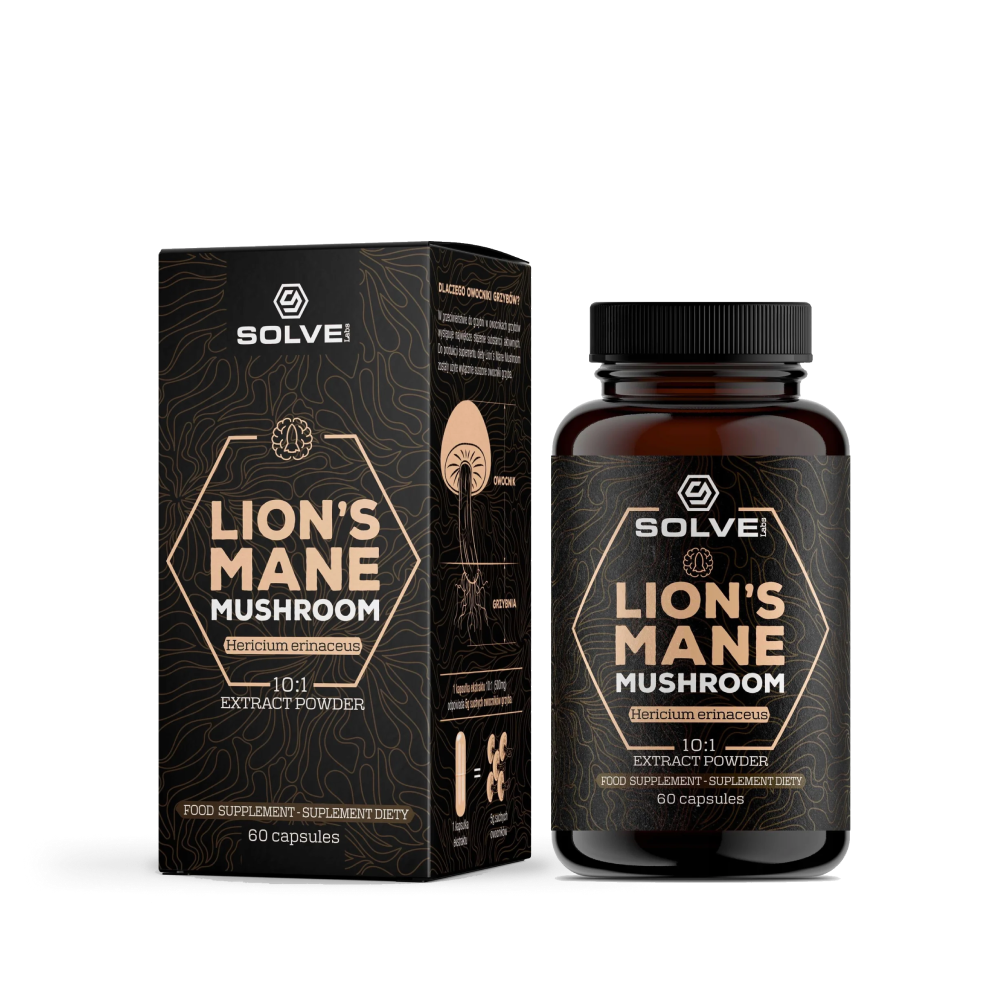
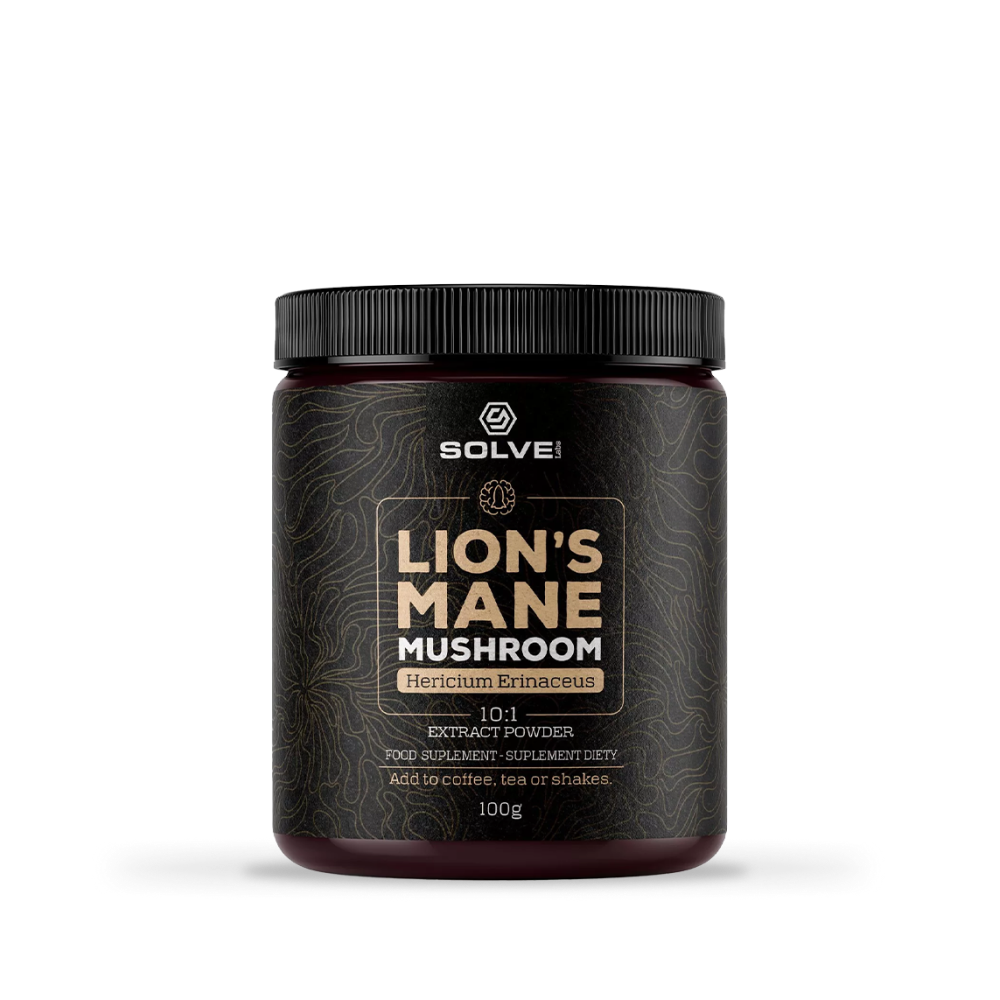
The detail most articles skip: fruiting body versus mycelium is not a minor spec difference, it's the difference between an active product and expensive grain starch. Hericenones live in the fruiting body; erinacines in the mycelium. Cheap supplements often use mycelium grown on grain substrate, yielding mostly filler with minimal actives. Look for a fruiting body extract with a verified concentration ratio, 10:1 is the meaningful benchmark, and DNA-verified species identity. Solve Labs' Lion's Mane Capsules use a 1000mg fruiting body extract at 10:1 concentration with DNA-verified Hericium erinaceus, the exact specification the clinical literature actually used.
Cordyceps, best for energy-driven fog and oxygen deficit
If your fog peaks mid-afternoon, feels like low fuel rather than slow processing, and worsens with physical fatigue, cordyceps earns its place. Its primary mechanism is distinct from lion's mane: it enhances cellular ATP production and improves oxygen utilisation and cerebral blood flow. Think of it as clearing the supply chain rather than rebuilding the factory.
Early evidence also suggests cordyceps may help regulate cortisol, which matters because chronic stress elevates cortisol, and sustained high cortisol is directly neurotoxic to the hippocampus, the brain's memory hub.
Honest caveat: most cordyceps cognitive data comes from animal and cell studies, or athletic performance trials measuring VO2 max and endurance. The human cognitive evidence is thinner than lion's mane. If your fog is primarily memory-based or neurodegenerative, lion's mane is the stronger call. If it's energy and oxygenation, cordyceps belongs in the stack.
Reishi, for fog rooted in oxidative stress, poor sleep, or lifestyle load
Reishi's case for brain fog is indirect but legitimate. It operates primarily through antioxidant pathways, neutralising free radicals that accelerate neuronal ageing and cognitive decline. Research has shown reishi can improve Alzheimer's-associated symptoms and demonstrably reduce alcohol-induced cognitive impairment. That second finding is more practically useful than it sounds: oxidative stress from lifestyle factors, alcohol, poor diet, chronic sleep debt, is a genuine and underappreciated driver of persistent fog.
Reishi also carries the strongest data among functional mushrooms for sleep quality improvement. Sleep is when the brain's glymphatic system clears metabolic waste, including amyloid proteins linked to cognitive decline. Fix the sleep; reduce the fog. Solve Labs' Calm Reishi Gummies stack Reishi with GABA and Saffron, melatonin-free, so there's no grogginess hangover to compound the problem you're trying to solve.
The gut-brain axis: why polysaccharides matter across all three
Here's the mechanism most coverage ignores. Functional mushrooms, lion's mane, reishi, turkey tail, are rich in beta-glucan polysaccharides that act as prebiotics, selectively feeding beneficial gut bacteria. A healthier microbiome produces less systemic inflammation. Systemic inflammation, particularly elevated IL-6 and TNF-alpha, directly impairs executive function and working memory. This is the gut-brain axis in practice, and it's one reason consistent long-term supplementation produces cleaner results than short bursts. The clinical trials that showed real cognitive gains ran for months, not days.
Signal vs. Noise, a decision framework worth keeping
Build your mushroom stack in two layers:
- Signal mushroom (lion's mane): targets neurogenesis, NGF synthesis, synaptic repair, the cognitive rewiring layer. Best for memory fog, learning difficulty, age-related mental slowdown.
- Noise-reduction mushroom (reishi or cordyceps): targets the interference, oxidative stress, cortisol dysregulation, poor sleep, low cellular energy. Choose based on your specific fog trigger, not both at once.
Run lion's mane as your baseline. Add reishi if your fog worsens under stress or sleep deprivation. Add cordyceps if fatigue and low energy dominate. Track over 2-4 weeks minimum, NGF synthesis is not an overnight process.
| Mushroom | Primary mechanism | Best fog type | Human evidence strength |
|---|---|---|---|
| Lion's mane | NGF stimulation, neurogenesis | Memory, processing speed, age-related decline | Strong, multiple RCTs |
| Reishi | Antioxidant, sleep quality, adaptogenic | Stress-driven fog, lifestyle oxidative load, poor sleep | Moderate, some human data, largely preclinical |
| Cordyceps | ATP production, oxygen utilisation, cortisol regulation | Energy-deficit fog, afternoon fatigue, physical burnout | Emerging, athletic trials, limited cognitive RCTs |
What the evidence doesn't yet support
Straight talk: most adaptogenic and neuroprotective claims for functional mushrooms rely on preclinical data, cells and animals. The FDA classifies these as food supplements, not drugs, and efficacy claims lack pharmaceutical-grade regulatory scrutiny. Lion's mane has the strongest human trial base. Reishi and cordyceps are genuinely promising, but "promising" and "proven" are different standards. If you're managing serious cognitive decline, these are adjuncts to medical care, not replacements.
Extract quality is also wildly variable. Concentration ratio, part of the mushroom used, extraction method, and third-party verification all determine whether you're getting active compounds or expensive grain starch. Read the spec before you buy anything.
The verdict, start here
For most people searching for the best mushroom supplement for brain fog, the answer is a high-concentration lion's mane fruiting body extract, 1000mg daily at 10:1 concentration, taken consistently for at least four weeks. That's the dose range the clinical literature used; that's the spec that produces results.
Solve Labs' Lion's Mane Capsules hit every benchmark: 1000mg fruiting body extract, 10:1 concentration, DNA-verified Hericium erinaceus. If stress or poor sleep is compounding your fog, stack it with Calm Reishi Gummies in the evening. If energy deficit is your primary signal, add cordyceps in the morning. Start with lion's mane. Build from there. Give it the time the science actually requires.
- Mori et al. (2009), double-blind RCT: Lion's mane improves cognitive scores in mild cognitive impairment
- Docherty et al. (2023), review of lion's mane NGF mechanisms and human cognitive trials
- Li et al. (2022), lion's mane in early Alzheimer's: 49-week trial cognitive outcomes
- Feng et al. (2019), 6-year cohort: mushroom consumption and mild cognitive impairment risk in adults 60+
- Chong et al. (2019), reishi antioxidant mechanisms and neuroprotection review
- Hirsch et al. (2021), gut-brain axis and functional mushroom polysaccharides in neuroinflammation
Frequently asked questions
How long does lion's mane take to work for brain fog?
The clinical trials that showed significant cognitive improvement ran for 8-49 weeks. Most people report subtle improvements in focus and mental clarity within 2-4 weeks of consistent daily use, but NGF synthesis and neuronal repair are slow biological processes. Don't judge it after three days, judge it after a month.
Is lion's mane fruiting body better than mycelium for brain fog?
For cognitive benefits specifically, fruiting body extracts are generally preferred, hericenones, one of the key NGF-stimulating compounds, are concentrated in the fruiting body. Many budget supplements use mycelium grown on grain, which can be high in starch and low in actives. Look for a product that specifies fruiting body, extraction ratio, and ideally DNA-verified species identity.
Can you take lion's mane, reishi, and cordyceps together?
Yes, they operate through different mechanisms and there are no known adverse interactions between them. A common approach is lion's mane daily for cognitive support, reishi in the evening for stress and sleep, and cordyceps pre-work or mid-morning for energy. Start with one, establish a baseline response, then layer in others so you can actually tell what's doing what.
Mentioned in this article: Lion's Mane Capsules from our range.
Disclaimer: These statements have not been evaluated by the Food and Drug Administration. This product is not intended to diagnose, treat, cure, or prevent any disease. Consult a healthcare professional before use.
