
Lion's Mane vs Cordyceps for Brain Health: What Science Says
Lion's Mane vs Cordyceps for Brain Health: What Science Says
- What Is Lion's Mane, and Why Does It Matter for the Brain?
- What Is Cordyceps, and How Does It Affect the Brain?
- How Does Lion's Mane Work? The NGF Mechanism Explained
- What Does the Evidence Say? A Clinical Breakdown
- How Much Should I Take, and Are Clinical Doses Being Used?
- How Long Before I Notice Effects?
- Health Benefits: What Each Mushroom Actually Delivers
- Lion's Mane vs Cordyceps: Which Should You Take?
- What Are the Side Effects and Risks?
- Can You Take Them Together, and What About Stacking with Other Nootropics?
- The Bottom Line
- Related guides
Lion's Mane is the only functional mushroom with a clinically demonstrated mechanism for directly stimulating nerve growth factor (NGF) in the human brain, making it the stronger choice when cognitive improvement is the goal. Cordyceps, by contrast, supports cellular energy production and oxygen utilization, which may reduce brain fog indirectly, but its cognitive benefits remain largely unproven in humans. If you're choosing between the two for memory, focus, or neuroprotection, the evidence clearly favors Lion's Mane.
| Factor | Lion's Mane | Cordyceps |
|---|---|---|
| Primary mechanism | NGF stimulation via hericenones & erinacines | ATP production, oxygen utilization |
| Key active compounds | Hericenones (fruiting body), erinacines (mycelium) | Cordycepin, polysaccharides, adenosine |
| Typical studied dose | 3-10 g/day (3 g/day most studied for cognition) | 1-3 g/day (mostly for energy/performance) |
| Human cognitive trials | Yes, multiple RCTs, systematic reviews | No, preclinical (mouse) data only |
| Evidence strength (brain) | Moderate, strong (older adults with MCI) | Weak, no human cognitive trials confirmed |
| Time to noticeable effect | 8-16 weeks (consistent use) | Days, weeks for energy; cognitive unclear |
| Who it's best for | Memory, focus, neuroprotection, MCI | Endurance, stamina, fatigue reduction |
| Forms available | Capsules, powder, extract | Capsules, powder, extract |
What Is Lion's Mane, and Why Does It Matter for the Brain?
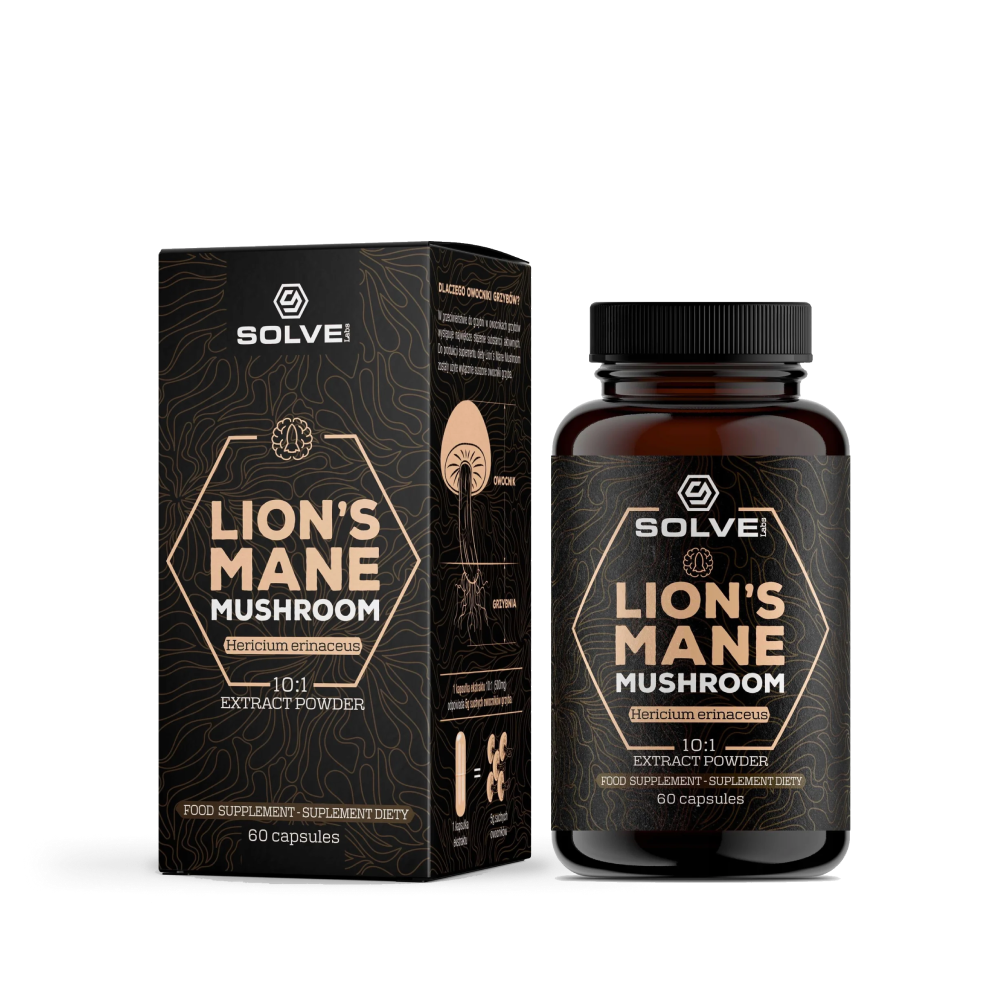
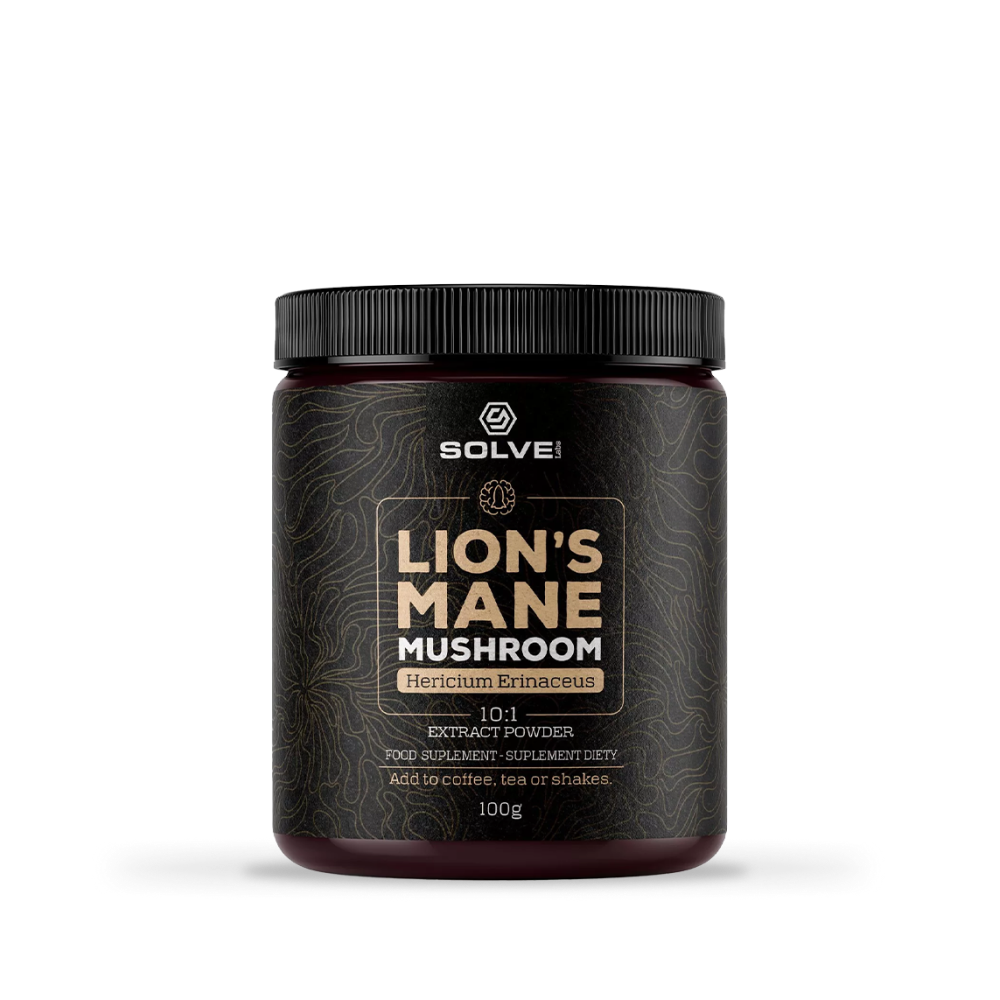
Lion's Mane (Hericium erinaceus) is a white, shaggy mushroom that has been used in traditional East Asian medicine for centuries. What sets it apart from every other functional mushroom is a pair of bioactive compound families, hericenones (found in the fruiting body) and erinacines (found in the mycelium), that cross the blood-brain barrier and directly stimulate the synthesis of nerve growth factor (NGF).
NGF is a protein your neurons depend on to grow, survive, and form new connections. Without adequate NGF, synaptic communication degrades, a process associated with cognitive decline, Alzheimer's disease, and Parkinson's disease. Erinacines A and C also activate Nrf2, a master transcription factor that upregulates antioxidant defenses, reducing neuroinflammation and oxidative stress in the brain.
This dual mechanism, neurotrophin stimulation and neuroprotection, makes Lion's Mane uniquely positioned for cognitive health in a way no other functional mushroom currently matches.
What Is Cordyceps, and How Does It Affect the Brain?
Cordyceps (Cordyceps sinensis and Cordyceps militaris) is a parasitic fungus historically used in Tibetan and Chinese medicine to combat fatigue and boost vitality. Its primary mechanism is metabolic: cordycepin and adenosine-like compounds increase ATP production and improve oxygen utilization at the cellular level.
In theory, better oxygen delivery and higher ATP availability should benefit the brain, neurons are among the most energy-hungry cells in the body. In mouse studies, Cordyceps extracts have reduced oxidative stress and improved performance on object recognition memory tasks. But here's the honest part: no human clinical trial has demonstrated that Cordyceps improves memory, focus, or any measurable cognitive outcome. A 2025 review explicitly noted that better human studies are needed before cognitive claims can be made with confidence.
Cordyceps is well-supported for physical endurance and stamina. For the brain specifically, it's a promising hypothesis, not a proven intervention.
How Does Lion's Mane Work? The NGF Mechanism Explained
When you consume Lion's Mane, hericenones from the fruiting body and erinacines from the mycelium enter systemic circulation and cross the blood-brain barrier. Once inside the central nervous system, they activate the TrkA receptor, the primary receptor for NGF, which upregulates NGF gene expression. The result: more NGF is synthesized, neurons are better maintained, and new synaptic connections can form.
This process is called neuroplasticity, the brain's ability to reorganize and grow. It underpins learning, memory consolidation, and recovery from neurological stress. Lion's Mane also promotes hippocampal neurogenesis (the birth of new neurons in the memory center of the brain), as confirmed by a 2025 systematic review in Frontiers in Nutrition, which found that Mini-Mental State Examination scores showed a combined weighted mean increase of 1.17 points in supplemented groups across trials lasting 4-49 weeks.
Cordyceps' mechanism in the brain is entirely different and indirect: higher ATP → more cellular energy → less fatigue → potentially sharper thinking. The chain is plausible but unvalidated in humans.
What Does the Evidence Say? A Clinical Breakdown
Lion's Mane, Human Evidence
- Mori et al. (2009) RCT: 30 older adults (aged 50-80) with mild cognitive impairment took 3 g/day of Lion's Mane for 16 weeks. Cognitive scores on the Revised Hasegawa Dementia Scale improved significantly at weeks 8, 12, and 16, with gains continuing to accumulate over time. Randomized, double-blind, placebo-controlled.
- Acute dose study: A single dose of Lion's Mane improved Stroop task performance speed (a measure of processing speed and cognitive inhibition) at 60 minutes post-dose in healthy young adults (p = 0.005). Important caveat: small sample size, and some null findings were also observed.
- 2025 systematic review (Frontiers in Nutrition): Confirmed increased serum BDNF and hippocampal neurogenesis across multiple trials. Weighted mean MMSE improvement: 1.17 points in supplemented groups.
- Dose-response note: A study giving 10 g/day to healthy 18-25-year-old students for 4 weeks found no cognitive improvement. This matters, Lion's Mane appears most effective in older adults with mild cognitive impairment, not necessarily in young, healthy individuals.
Cordyceps, Human Evidence for Cognition
- No human RCTs have demonstrated cognitive improvement from Cordyceps supplementation.
- Mouse studies show reduced oxidative stress and improved memory in object recognition tasks, promising but not transferable to humans without clinical replication.
- Human evidence does exist for athletic performance: Cordyceps has shown improvements in VO2 max and exercise capacity in several trials, supporting its use for energy and endurance.
How Much Should I Take, and Are Clinical Doses Being Used?
| Goal | Mushroom | Studied Dose | Duration for Effect | Population |
|---|---|---|---|---|
| Cognitive improvement (MCI) | Lion's Mane | 3 g/day | 8-16 weeks | Older adults 50-80 |
| Acute focus/processing speed | Lion's Mane | Single dose (dose varied) | 60 minutes | Healthy young adults |
| Neuroprotection/long-term | Lion's Mane | 3 g/day+ | 12-49 weeks | Older adults, MCI |
| Energy & stamina | Cordyceps | 1-3 g/day | 2-4 weeks | Adults, athletes |
| Brain fog (indirect) | Cordyceps | Not established | Unknown | Not validated in humans |
One critical thing to watch for: many products use mycelium-on-grain instead of fruiting body extracts, which dramatically reduces hericenone and erinacine content. Always look for standardized extracts, ideally specifying % beta-glucans, and confirm whether the product uses fruiting body, mycelium, or both. Underdosed or filler-heavy products are one of the most common reasons people feel nothing after weeks of supplementation.
How Long Before I Notice Effects?
Lion's Mane: Acute effects (improved processing speed) may appear within 60 minutes of a dose, based on the Stroop task data, though this is early evidence. For meaningful, sustained cognitive improvement, the clinical data points to 8-16 weeks of consistent daily use at ≥3 g/day. NGF upregulation and neuroplastic changes are biological processes, they take time. Think of it less like a stimulant and more like strength training for your neurons.
Cordyceps: Energy and endurance benefits may appear within days to weeks. Cognitive effects, if they exist in humans, have no established timeline because no trials have confirmed them.
Health Benefits: What Each Mushroom Actually Delivers
Lion's Mane, Evidence-Backed Benefits
- Memory and cognitive function in older adults with MCI, Strong evidence. RCT-confirmed. Mechanism: NGF stimulation via hericenones/erinacines → neuroplasticity, hippocampal neurogenesis.
- Increased BDNF and NGF serum levels, Confirmed in systematic review (2025, Frontiers in Nutrition). BDNF supports long-term potentiation, the cellular basis of memory.
- Neuroprotection against oxidative stress, Erinacines A and C activate Nrf2, reducing neuroinflammation. Potentially relevant for Alzheimer's and Parkinson's risk reduction, but long-term prevention trials in humans are still lacking.
- Acute processing speed, Preliminary evidence only. One small trial, p = 0.005 on Stroop task at 60 min. Treat with caution until replicated.
- Immune modulation, Beta-glucans activate macrophages and NK cells. Shared with Cordyceps. Moderate evidence.
Cordyceps, Evidence-Backed Benefits
- Athletic endurance and VO2 max, Human trial support exists. Cordycepin and adenosine analogs improve mitochondrial ATP output and oxygen efficiency. Relevant for stamina, not directly for cognition.
- Fatigue reduction, Supported by human data in athletic and general-population contexts. Indirectly relevant to mental energy and brain fog.
- Immune modulation, Polysaccharides and beta-glucans. Moderate human evidence.
- Cognitive/neuroprotective benefits, Preclinical only. Promising in mouse models (oxidative stress reduction, memory task improvement). Not yet validated in humans.
Lion's Mane vs Cordyceps: Which Should You Take?
The answer depends entirely on your goal.
If your priority is memory, focus, neuroprotection, or reversing cognitive fog, Lion's Mane is the evidence-backed choice. It has a direct, proven mechanism in the human brain, multiple RCTs, and a systematic review confirming measurable cognitive outcomes. A quality Lion's Mane supplement standardized to active compounds and dosed at ≥3 g/day is what the clinical literature actually supports.
If your priority is physical energy, endurance, or stamina, Cordyceps has genuine human evidence for those outcomes, and the indirect benefit to mental clarity via better oxygen utilization and reduced fatigue is real, even if it's not the same as cognitive enhancement.
For most people dealing with cognitive fog, memory gaps, or age-related mental decline, these two mushrooms are not interchangeable. They work through entirely different pathways. Stacking both is reasonable if you want both cognitive and physical performance support, but don't expect Cordyceps to replace Lion's Mane for brain-specific goals.
What Are the Side Effects and Risks?
Lion's Mane has a strong safety profile in human trials. The most commonly reported side effects are mild gastrointestinal discomfort (nausea, bloating), typically at higher doses. Rare reports of allergic reactions exist, particularly in individuals with mushroom allergies. No serious adverse events were reported in the Mori et al. RCT at 3 g/day over 16 weeks.
Cordyceps is similarly well-tolerated. GI upset is the most common complaint. There are theoretical interactions with immunosuppressant medications due to its immunomodulatory activity, consult a physician if you're on cyclosporine or similar drugs. Cordyceps may also have mild anticoagulant properties; individuals on blood thinners should use caution.
Neither mushroom has established interactions with SSRIs or ADHD medications in current literature, but this is an under-researched area. If you're on prescription neurological or psychiatric medications, check with your doctor before adding any functional mushroom supplement.
Both are generally considered safe for daily long-term use based on available data. Cycling is not clinically required, though some users prefer periodic breaks to assess baseline cognition.
Can You Take Them Together, and What About Stacking with Other Nootropics?
Yes, combining Lion's Mane and Cordyceps is a common and logical stack. They work through complementary mechanisms: Lion's Mane drives neuroplasticity and NGF production, while Cordyceps supports the mitochondrial energy supply that neurons need to function. There's no known interaction between them.
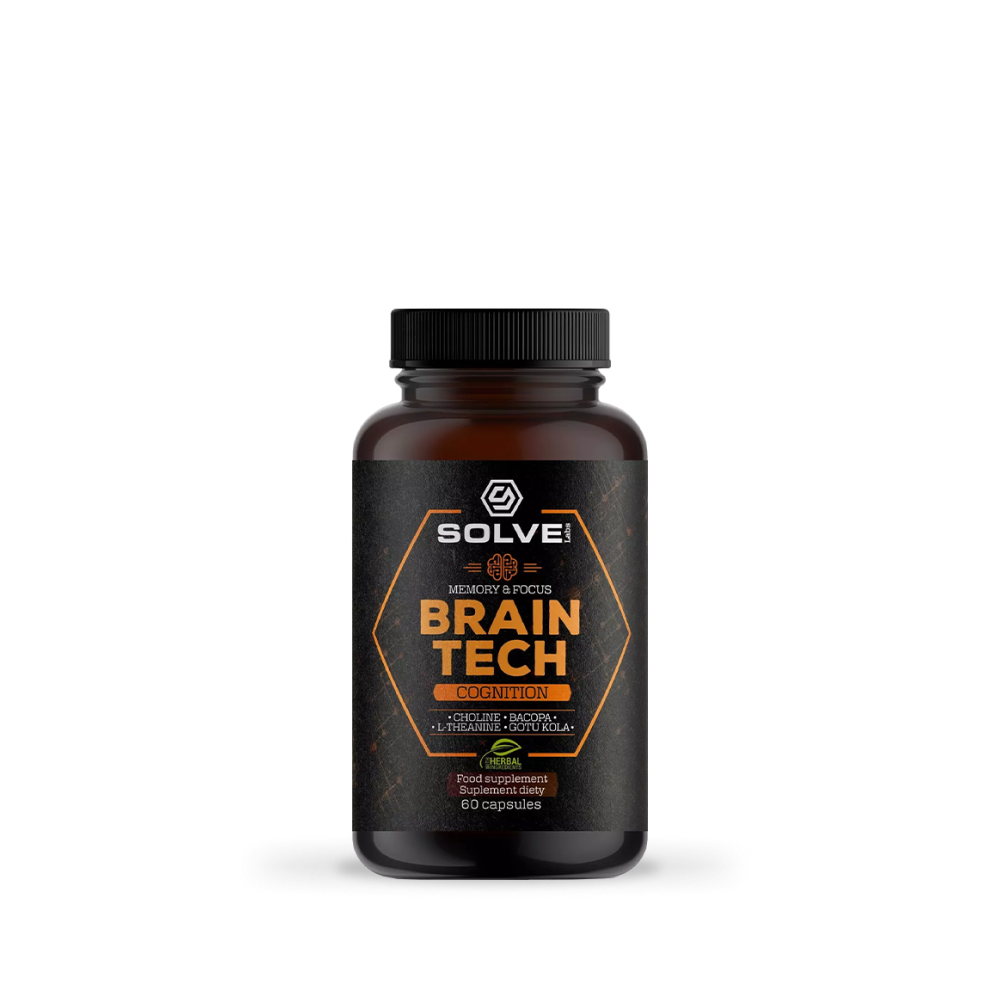
Both pair well with compounds like L-theanine (which promotes calm alpha-wave activity without sedation), CDP-choline/citicoline (which provides acetylcholine precursors for learning and memory), and Bacopa monnieri (which supports dendrite branching and memory consolidation). This kind of multi-mechanism approach, targeting NGF, neurotransmitter availability, neuroplasticity, and cellular energy simultaneously, is the logic behind comprehensive nootropic formulas that go beyond single-ingredient supplements.
If you're stacking with caffeine, Lion's Mane and Cordyceps are both compatible. Neither is a stimulant. Cordyceps won't amplify jitteriness; Lion's Mane won't sedate you.
The Bottom Line
Lion's Mane is the most evidence-backed functional mushroom for cognitive health, full stop. It has a direct, validated mechanism (NGF stimulation), multiple human RCTs, and a systematic review confirming measurable memory improvement. Cordyceps is genuinely valuable for energy and physical performance, and its theoretical brain benefits are interesting, but they're not yet proven in humans.
If you're supplementing specifically to sharpen memory, protect against cognitive decline, or address persistent brain fog: start with Lion's Mane at a clinically relevant dose (≥3 g/day), from a standardized fruiting-body extract, for at least 8-12 weeks. Add Cordyceps if sustained physical energy and stamina matter to you too. And always verify that what's on the label is actually in the capsule, standardized beta-glucan percentages and transparent sourcing aren't optional details. They're the difference between results and disappointment.
Frequently asked questions
Is Lion's Mane or Cordyceps better for focus and memory?
Lion's Mane is significantly better supported for focus and memory. It directly stimulates nerve growth factor (NGF) via hericenones and erinacines, and multiple human RCTs, including a landmark 2009 double-blind trial, have confirmed measurable cognitive improvements. Cordyceps has no human clinical trials confirming cognitive benefits; its memory effects are currently mouse-study data only.
How long does Lion's Mane take to improve cognition?
Based on the best available human evidence, meaningful cognitive improvement requires at least 8-16 weeks of consistent daily use at ≥3 g/day. The Mori et al. (2009) RCT saw significant gains at weeks 8, 12, and 16, with continued improvement over time. Some acute effects (improved processing speed) have been observed within 60 minutes in small trials, but these findings are preliminary.
Can I take Lion's Mane and Cordyceps together?
Yes, they're complementary, not competing. Lion's Mane drives neuroplasticity and NGF production in the brain; Cordyceps supports mitochondrial ATP output and oxygen utilization for cellular energy. There are no known negative interactions between them. Many people stack both for cognitive support plus sustained physical energy, particularly alongside other nootropics like L-theanine or citicoline.
Disclaimer: These statements have not been evaluated by the Food and Drug Administration. This product is not intended to diagnose, treat, cure, or prevent any disease. Consult a healthcare professional before use.
