
Is Plant Protein Powder a Complete Protein?
Is Plant Protein Powder a Complete Protein?
- A pea-rice-pumpkin-yeast blend covers all nine essential amino acids, making it a complete protein by ingredient profile, no single source is left limiting.
- Yeast protein (S. cerevisiae) is the key differentiator: it's complete on its own and directly backfills the lysine gap that rice and pumpkin leave behind.
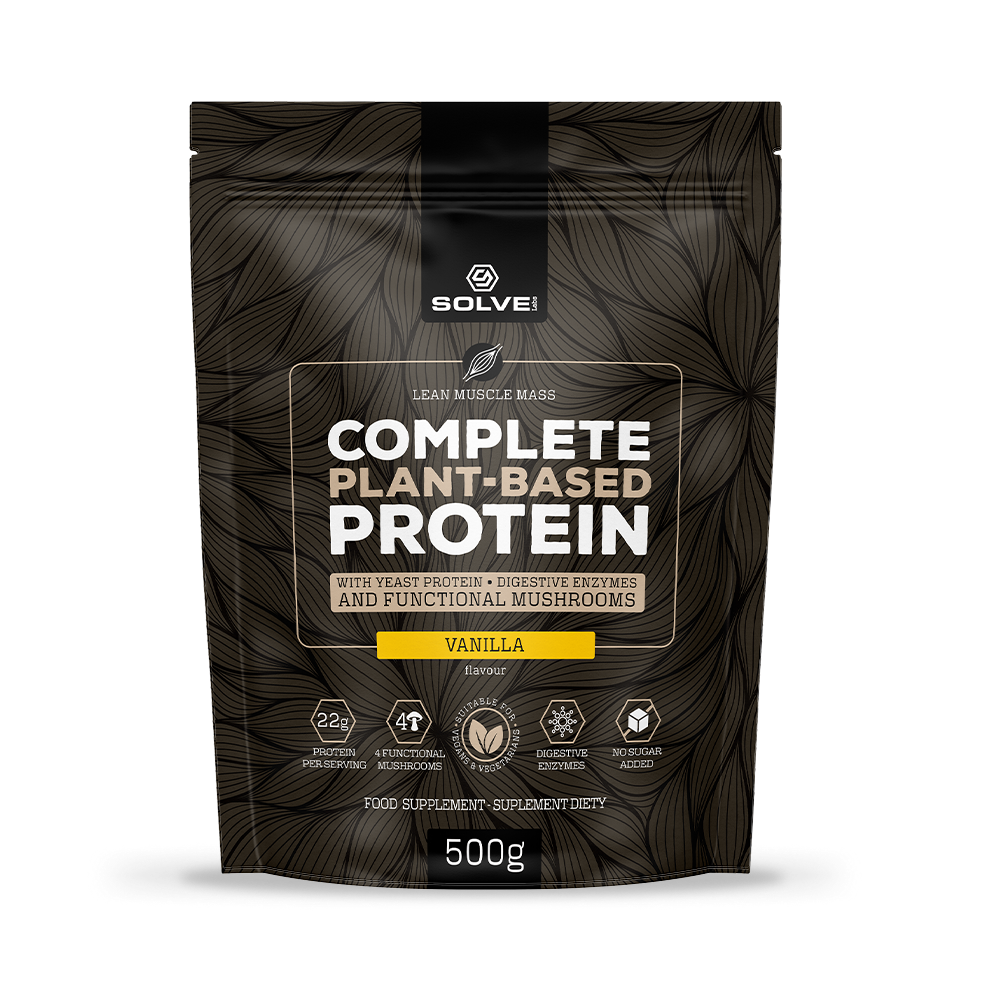
- At 22g per 35g serving with just 2.4g carbs and 3g fat, the macro ratio mirrors lean dairy protein, strong for post-workout use.
- No published DIAAS score exists for this finished blend; 'complete' is a well-founded inference from ingredient profiles, not an independently measured result.
- At a Glance: What's Actually in the Blend?
- What Does "Complete Protein" Actually Mean?
- Why Does This Blend Use Four Sources Instead of Two?
- Does It Really Contain All Nine Essential Amino Acids?
- How Does Protein Completeness Actually Drive Muscle Growth?
- What's the Full Macronutrient Breakdown?
- How Much of Each Mushroom Is Actually in Here?
- Will DigeZyme® Actually Stop the Bloating You Get From Pea Protein?
- Is It Vegan and Free From Soy and Nut Allergens?
- How Does Each Claimed Benefit Hold Up to Scrutiny?
- How Does It Compare to Whey or a Plain Pea-Rice Blend?
- Who Should Use a Mushroom Plant Protein Blend, and Who Should Skip It?
Yes, a four-source plant protein blend combining pea, rice, pumpkin, and yeast (Saccharomyces cerevisiae) is a complete protein. Together, those four sources deliver all nine essential amino acids in one serving, with yeast protein acting as the closer that backfills the lysine gap rice and pumpkin leave behind. One honest caveat: completeness here is read from the four ingredients' known amino acid profiles, not from an independently run DIAAS score on the finished powder. The claim is well-founded. It just isn't third-party verified yet.
Reviewed against formulation and label data plus published amino acid profiles for the four constituent sources. Where a claim rests on ingredient inference rather than a finished-product test, we say so.
At a Glance: What's Actually in the Blend?
| Attribute | Detail |
|---|---|
| Form | Powder, 35g serving |
| Protein per serving | 22g (some labels list 23g) |
| Protein sources | Pea, rice, pumpkin, yeast (S. cerevisiae) |
| Complete protein? | Yes, all 9 EAAs present via blending |
| Fat / Carbs | 3g fat / 2.4g carbohydrate |
| Functional actives | Lion's Mane, Reishi, Cordyceps, Chaga (500mg each) + DigeZyme® enzyme complex |
| Best for | Vegans and dairy-intolerant lifters who want a full EAA source plus recovery support |
What Does "Complete Protein" Actually Mean?
A complete protein carries all nine essential amino acids in usable amounts: histidine, isoleucine, leucine, lysine, methionine, phenylalanine, threonine, tryptophan, and valine. They're called essential because your body can't synthesise them, diet is the only source.
Here's the part that matters for plant protein specifically. Muscle building runs at the speed of your scarcest essential amino acid. Run short on one, and that one becomes the limiting amino acid, it caps muscle protein synthesis (MPS) no matter how many total grams you swallow. Whey, egg, and dairy clear all nine by default. Most single plant sources don't. Rice runs low on lysine. Peas run low on the sulfur amino acids, methionine and cysteine. That gap is the exact problem a well-designed blend exists to close.
Why Does This Blend Use Four Sources Instead of Two?
This isn't a random stack. Each source patches another's weak spot, and the fourth source is what separates this from a standard pea-rice formula.
- Pea protein, loaded with lysine, the amino acid rice and pumpkin under-deliver.
- Rice protein, high in methionine and cysteine, the sulfur amino acids peas lack.
- Pumpkin protein, a supplementary source that widens the overall amino acid spread.
- Yeast protein (S. cerevisiae), the closer. Yeast is a complete protein on its own, with a full EAA spectrum and high digestibility. It directly covers the residual lysine gap that remains even after pea is added. Most plant blends stop at pea-rice. Adding a fourth source specifically tightens the completeness argument.
The logic: pea covers lysine, rice covers methionine and cysteine, yeast fills what's left, no single EAA is left limiting. Protein complementation is textbook science. The yeast fraction is the ownable move here, not the standard pea-rice pairing alone.
Does It Really Contain All Nine Essential Amino Acids?
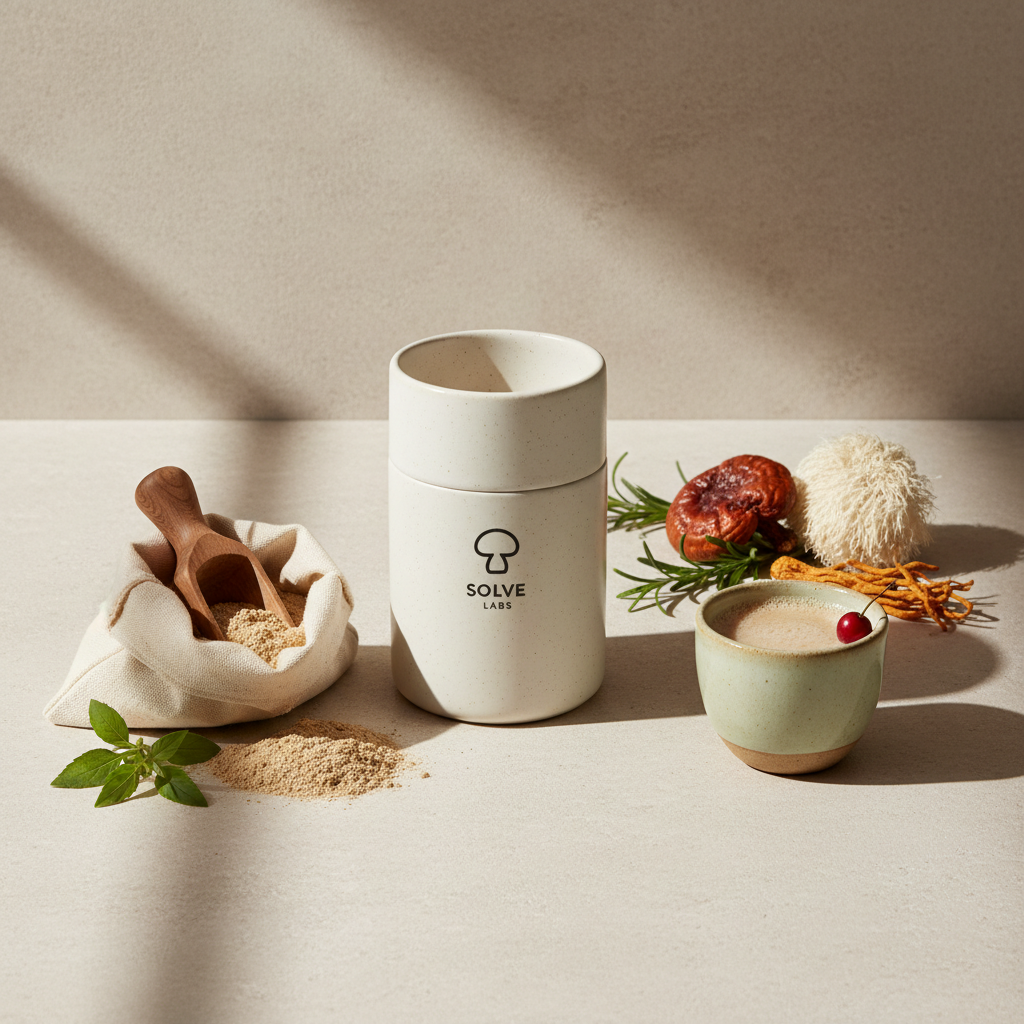
By its ingredients, yes. Each of the four sources brings a documented amino acid profile, and their union covers all nine EAAs with no obvious limiting gap. Mushroom and yeast protein concentrates have been specifically characterised as complete proteins carrying every essential amino acid, which is exactly why they work as complements to a plant base for muscle growth.
The limit worth stating plainly: there's no independent, peer-reviewed amino acid analysis or DIAAS score on this exact finished blend. "Complete" here is an inference from ingredient profiles, strong on plausibility, thin on third-party proof.
DIAAS (Digestible Indispensable Amino Acid Score) is the current gold-standard yardstick. A score at or above 1.0 marks a high-quality complete protein on par with dairy. Without a published DIAAS on this powder, read any "equals or beats dairy" framing as a fair expectation, not a measured result. If this will be your only protein source, request a batch amino acid report before relying on it exclusively.
How Does Protein Completeness Actually Drive Muscle Growth?
Muscle protein synthesis fires when leucine crosses a threshold, roughly 2-3g per meal in most adults, and it keeps running only as long as every other EAA is available to build new tissue. Short one amino acid, and synthesis stalls the moment that one runs out. A complete profile removes that ceiling.
A 22g dose lands squarely in the working range for a post-exercise MPS stimulus. General resistance-training guidance sits around 0.25-0.4g of protein per kg of bodyweight per meal, for a 70kg person, roughly 17-28g. Completeness is what lets those 22g count in full, instead of getting throttled by a missing amino acid.
What's the Full Macronutrient Breakdown?
| Per 35g Serving | Amount |
|---|---|
| Protein | 22g (some labels 23g) |
| Fat | 3g |
| Carbohydrate | 2.4g |
| Protein as % of serving | ~63% |
At roughly 63% protein by weight with minimal fat and carbohydrate, the ratio mirrors a lean dairy protein, high protein per calorie, low noise. Strong post-workout. But the low carbohydrate load means it's not a standalone meal replacement. Use it as your protein anchor, then add a carb and fat source alongside it.
How Much of Each Mushroom Is Actually in Here?
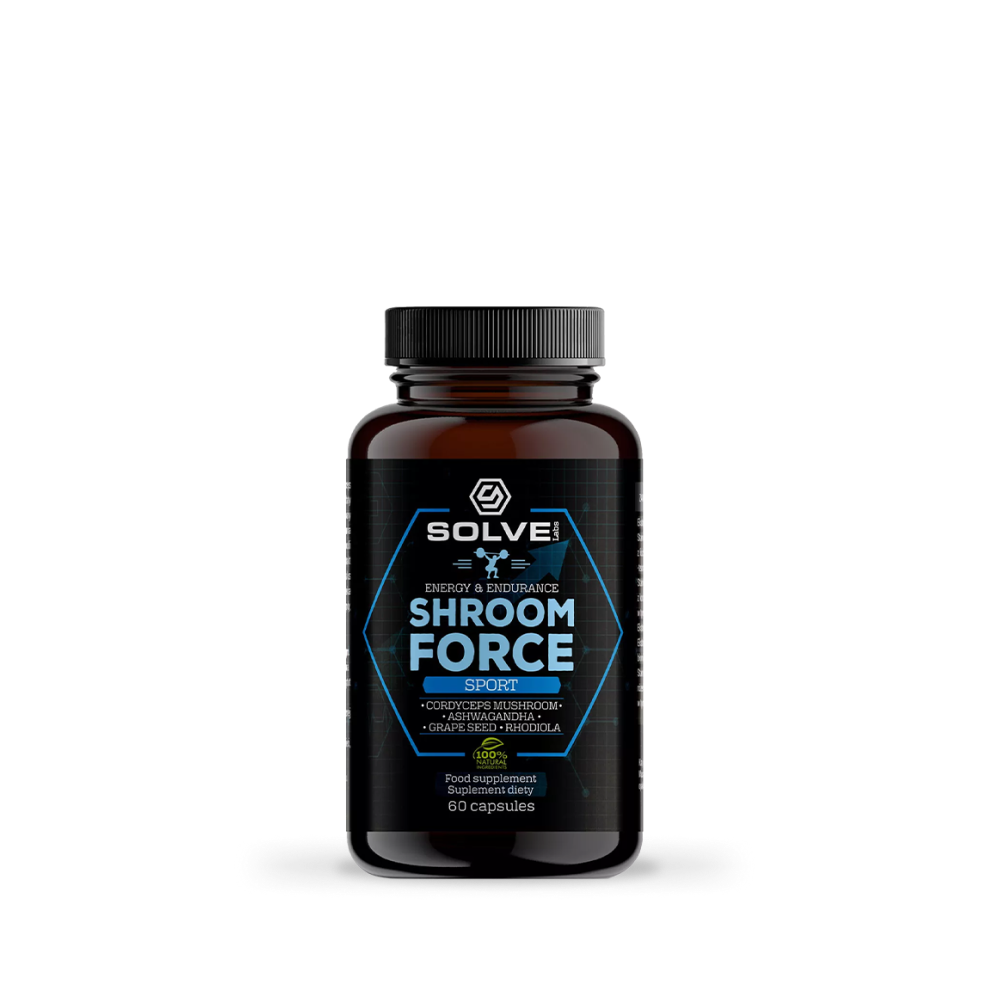
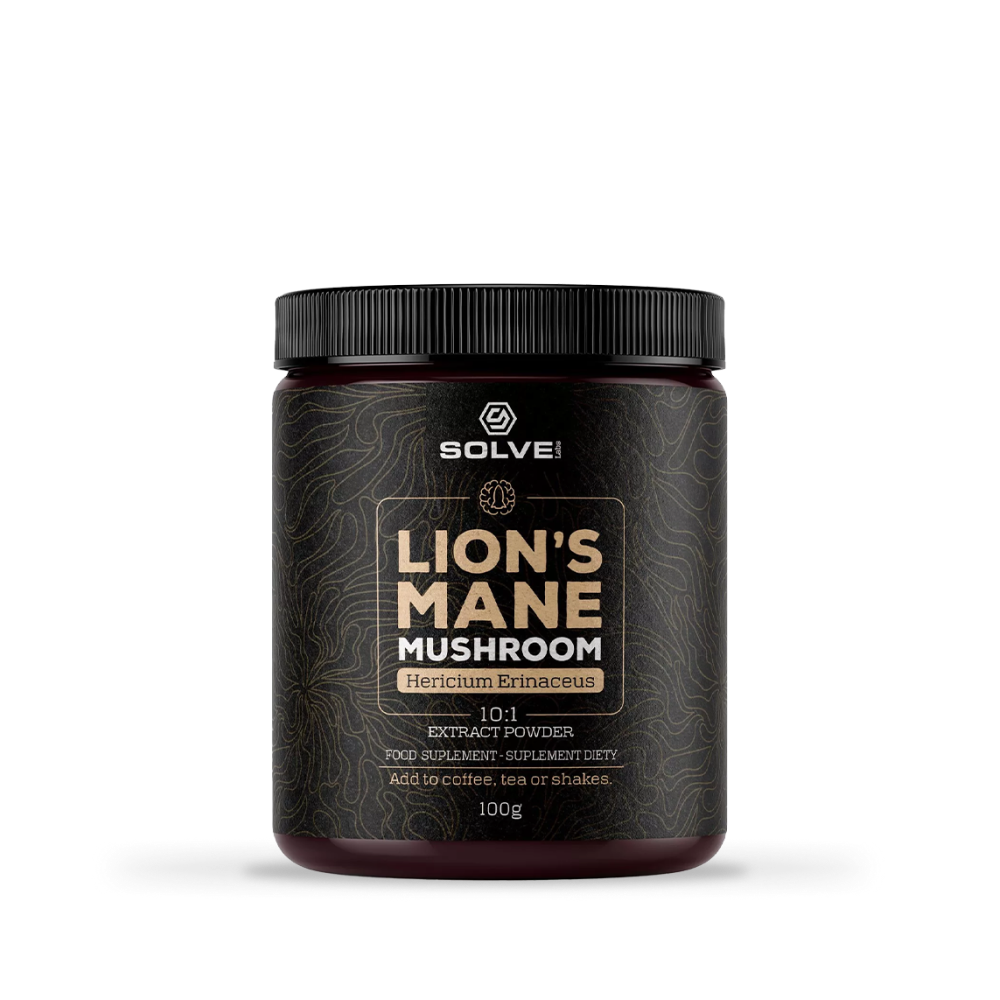
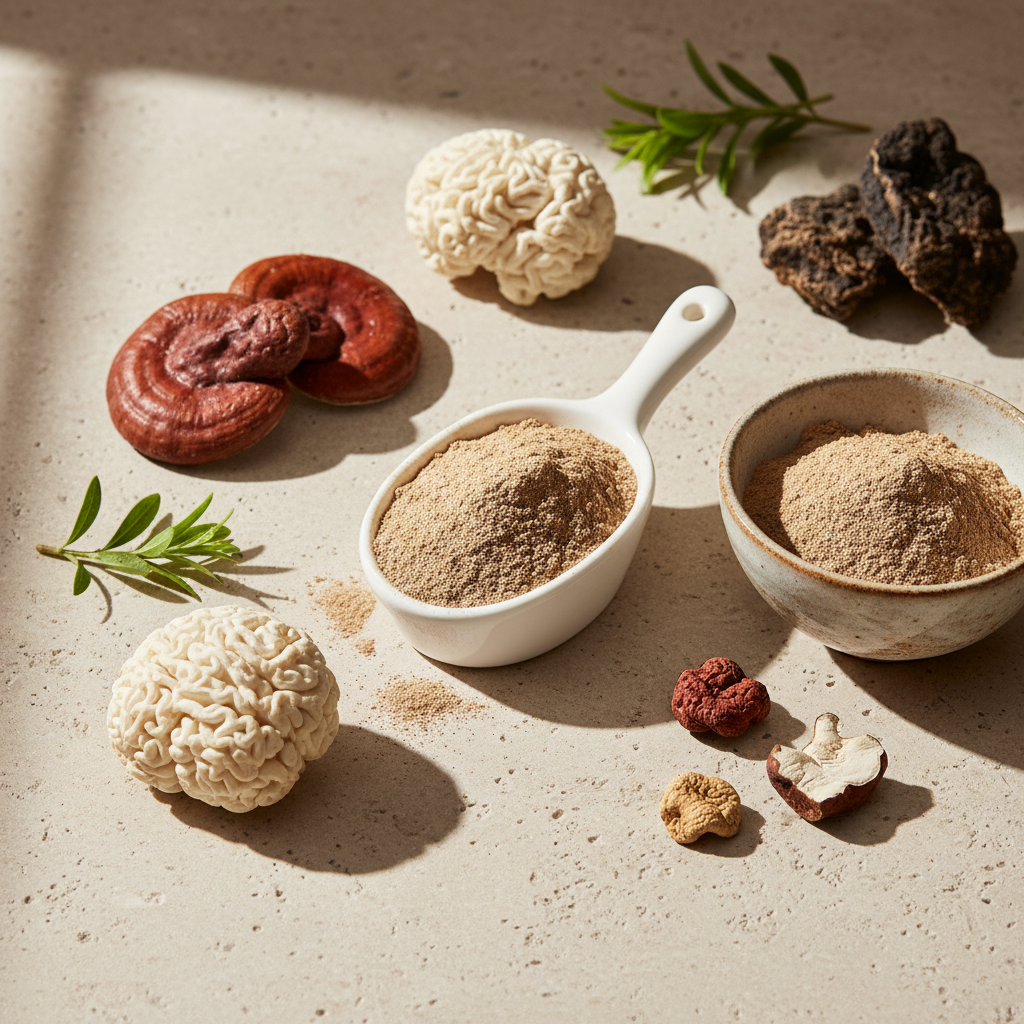
The formula adds 500mg each of Lion's Mane, Reishi, Cordyceps, and Chaga, 2g of mushroom extract total per serving. This is where the honesty bar rises, because the register shifts from muscle nutrition to functional wellness.
| Mushroom | Dose Here | Doses Used in Trials |
|---|---|---|
| Cordyceps | 500mg | 1,000-3,000mg for performance effects |
| Lion's Mane | 500mg | Cognitive trials often 1,000mg+ |
| Reishi | 500mg | Adaptogen/immune studies vary widely |
| Chaga | 500mg | Largely preclinical antioxidant data |
Call it what it is: 500mg per mushroom is a general wellness dose, reasonable for background immune and stress-adaptation support, but below the 1,000-3,000mg that performance trials on Cordyceps typically run. If you're here for a clinical-strength Lion's Mane or Cordyceps effect, the mushroom load is supportive, not therapeutic. The label also doesn't state beta-glucan standardisation percentages, so the potency of the fungal actives can't be verified from the panel alone.
Will DigeZyme® Actually Stop the Bloating You Get From Pea Protein?
The blend is fortified with the DigeZyme® multi-enzyme complex, alpha-amylase, protease, lipase, cellulase, and lactase. The mechanism is clean: protease breaks protein into absorbable peptides and amino acids; cellulase digests the plant fibre that drives most legume-protein gas; the rest handle starches and fats. The target is the bloating and digestive discomfort some people hit with pea protein in the first week or two.
Adding protease and cellulase to ease that transient discomfort is a mechanistically sound call. What's missing is a controlled trial measuring bloating reduction from this specific enzyme dose in this product, so treat it as a reasonable aid, not a guaranteed fix. If GI upset outlasts two weeks, drop the serving size and titrate back up.
Is It Vegan and Free From Soy and Nut Allergens?
The protein base, pea, rice, pumpkin, yeast, carries no soy and no nuts, a real edge over soy-isolate products for allergy-conscious buyers. But allergen safety also depends on the manufacturing facility's cross-contamination controls and the full ingredient list. The product is positioned as plant-based and vegan; available label data don't confirm a specific third-party vegan certification or independent heavy-metal and purity testing. If certification is a dealbreaker, verify it on the current label or certificate of analysis before you buy.
How Does Each Claimed Benefit Hold Up to Scrutiny?
- Muscle recovery and growth, strongest case. A complete 22g EAA dose lifts the limiting-amino-acid ceiling on MPS, and yeast concentrates are documented complete proteins suited as plant-base complements for muscle growth. Solid on principle; unverified on this blend's exact DIAAS.
- Exercise performance and fatigue, dose-limited. Cordyceps supports ATP production and oxygen utilisation, but human benefits show up mainly at 1,000-3,000mg. The 500mg here sits below that range. Mechanism sound; dose likely subtherapeutic for measurable performance gains.
- Cognitive and neuromuscular support, preliminary. Lion's Mane may support nerve growth factor (NGF) synthesis, but most cognitive trials use 1,000mg or more. Promising; dose modest.
- Recovery under training stress, preliminary. Reishi acts as an adaptogen modulating cortisol and inflammatory pathways. Mechanistically plausible; human dosing evidence mixed.
- Antioxidant support, preclinical. Chaga shows antioxidant activity via superoxide dismutase (SOD) pathways. Largely preclinical, don't overweight it.
- Digestion and absorption, mechanistic. DigeZyme® enzymes break protein and fibre down for absorption, plausibly easing bloating. Mechanistically supported; no product-specific controlled trial.
How Does It Compare to Whey or a Plain Pea-Rice Blend?
vs. Whey
Whey has a measured DIAAS above 1.0, a fast leucine spike, and reference-standard status for MPS. This blend is plant-based and lactose-free, a genuine win for the dairy-intolerant, and it claims completeness, but lacks a published DIAAS to confirm parity. If verified MPS efficiency is your one priority, whey is still the better-documented pick.
vs. a Plain Pea-Rice Blend
Pea-rice is already the classic complementary pair. The differentiators here are the added yeast protein, which tightens the completeness argument, plus the enzyme complex and functional mushrooms. Whether those extras earn a premium comes down to how much you value the wellness actives. At 500mg each, treat the mushrooms as a bonus, not the reason to buy.
Who Should Use a Mushroom Plant Protein Blend, and Who Should Skip It?
- Best fit: Vegans and vegetarians who want a genuinely complete EAA source; dairy-intolerant lifters; anyone who wants background adaptogen and immune support layered into their protein without taking separate supplements.
- Think twice if: You need a verified DIAAS score before committing to a plant protein; you're targeting clinical-strength Cordyceps or Lion's Mane effects (you'll need a dedicated, higher-dose product); or you require confirmed third-party allergen or heavy-metal certification.
The bottom line: a pea-rice-pumpkin-yeast blend is one of the most complete plant protein formulas available. The four-source architecture is smart, the macro profile is lean, and the DigeZyme® addition addresses the most common plant-protein complaint head-on. Solve Labs' version of this formula layers in functional mushrooms for added wellness upside. Stay sharp about the dose limitations, and push for a published DIAAS when you're ready to make it your primary protein source.
Frequently asked questions
Can a plant protein blend really be as complete as whey?
Yes, by combining complementary sources (pea, rice, pumpkin, yeast), a blend can cover all nine essential amino acids. Whey still has a measured DIAAS above 1.0 confirming parity; a multi-source plant blend makes the same claim by ingredient logic, but needs a published DIAAS score to confirm it head-to-head.
What makes yeast protein different from pea or rice protein?
Yeast protein (Saccharomyces cerevisiae) is a complete protein on its own, it carries a full essential amino acid spectrum including lysine, the amino acid rice and pumpkin under-deliver. Adding it to a pea-rice base closes the residual EAA gap more reliably than the standard two-source blend.
Will the mushrooms in a protein powder actually do anything?
At 500mg per mushroom (Cordyceps, Lion's Mane, Reishi, Chaga), the dose supports general wellness and background adaptogen activity. Performance and cognitive trials typically use 1,000-3,000mg, so treat the mushroom fraction as a supportive bonus rather than a therapeutic dose.
Disclaimer: These statements have not been evaluated by the Food and Drug Administration. This product is not intended to diagnose, treat, cure, or prevent any disease. Consult a healthcare professional before use.
