
Chaga, Ashwagandha & Lion's Mane Coffee: What to Know
Chaga, Ashwagandha & Lion's Mane Coffee: What to Know
- Branded extracts like KSM-66 ashwagandha and Suntheanine L-theanine let you verify doses against the exact human trials, generic 'ashwagandha extract' doesn't carry that guarantee.
- Fruiting-body-only products are cleaner to verify, but they exclude erinacines, the more potent NGF-inducing compounds found in lion's mane mycelium.
- Ashwagandha has moderate human evidence for stress and cortisol reduction; cognitive claims for both ashwagandha and lion's mane are still ahead of the clinical data.
- The calm-focus feeling from mushroom coffee is most plausibly caffeine + L-theanine synergy, not a direct stimulant effect from the mushrooms themselves.
- At a Glance: How These Mushroom Coffee Formulas Compare
- What's the Real Difference Between These Formulas?
- Fruiting Body vs Mycelium, Why Does It Matter for Lion's Mane?
- How Do These Ingredients Actually Work?
- What Does the Evidence Actually Say?
- Is the Dose in Your Mushroom Coffee Actually Therapeutic?
- How Long Until Mushroom Coffee Actually Works?
- Side Effects, Interactions, and Who Should Avoid It
- Which Mushroom Coffee Format Should You Choose?
The core trade-off in mushroom coffee comes down to disclosure vs sourcing. Products using named, standardized extracts, like KSM-66 ashwagandha or Suntheanine L-theanine, let you match your dose to the exact inputs used in human trials. Products built around certified-organic, fruiting-body-only mushrooms optimize for verifiable, food-grade sourcing. Neither approach is universally superior, the right pick depends on what you're actually trying to verify.
Provenance note: this article compares product categories against published human-evidence syntheses (Examine.com) and available formulation disclosures, not a batch-by-batch lab teardown. Where a claim rests on animal data or a single small trial, we flag it.
At a Glance: How These Mushroom Coffee Formulas Compare
| Factor | Disclosure-first (e.g. KSM-66 + Suntheanine format) | Organic sourcing-first (e.g. fruiting-body latte format) |
|---|---|---|
| Key actives | KSM-66 ashwagandha, Suntheanine L-theanine, chaga | Lion's mane + chaga (fruiting body), ashwagandha |
| Extract part | Branded, standardized, dose-disclosed | Fruiting body only, mycelium excluded |
| Stated mushroom dose | Disclosed per active on label | ~500 mg lion's mane/chaga per serving |
| Positioning | Stress relief + focus; transparency-first | Organic sourcing; daily coffee alternative |
| Caffeine | Blend-dependent; latte formats run low | Low; latte format |
| Best for | Buyers who want doses they can check against trials | Buyers who prioritize certified-organic fruiting-body sourcing and taste |
| Evidence ceiling | Moderate for ashwagandha (stress); weaker for cognition | Same actives, same ceiling |
What's the Real Difference Between These Formulas?
The ingredient lists overlap, both categories contain chaga and ashwagandha. The difference is form and disclosure. Disclosure-first products name branded, clinically tested inputs: KSM-66, a full-spectrum root extract, and Suntheanine, a patented pure-form L-theanine. Sourcing-first products use certified-organic, fruiting-body-only lion's mane and chaga, explicitly excluding mycelium.
Why the branded name matters: KSM-66 is the specific extract used in the human ashwagandha trials that reported reductions in stress and cortisol (Examine: ashwagandha). Name the extract, inherit the trial data. A generic "ashwagandha extract" doesn't automatically carry it. That's a disclosure advantage, not a magic bullet. The strongest human evidence for ashwagandha remains stress and anxiety reduction; cognitive claims lean heavily on animal work, which caps their certainty.
Fruiting Body vs Mycelium, Why Does It Matter for Lion's Mane?
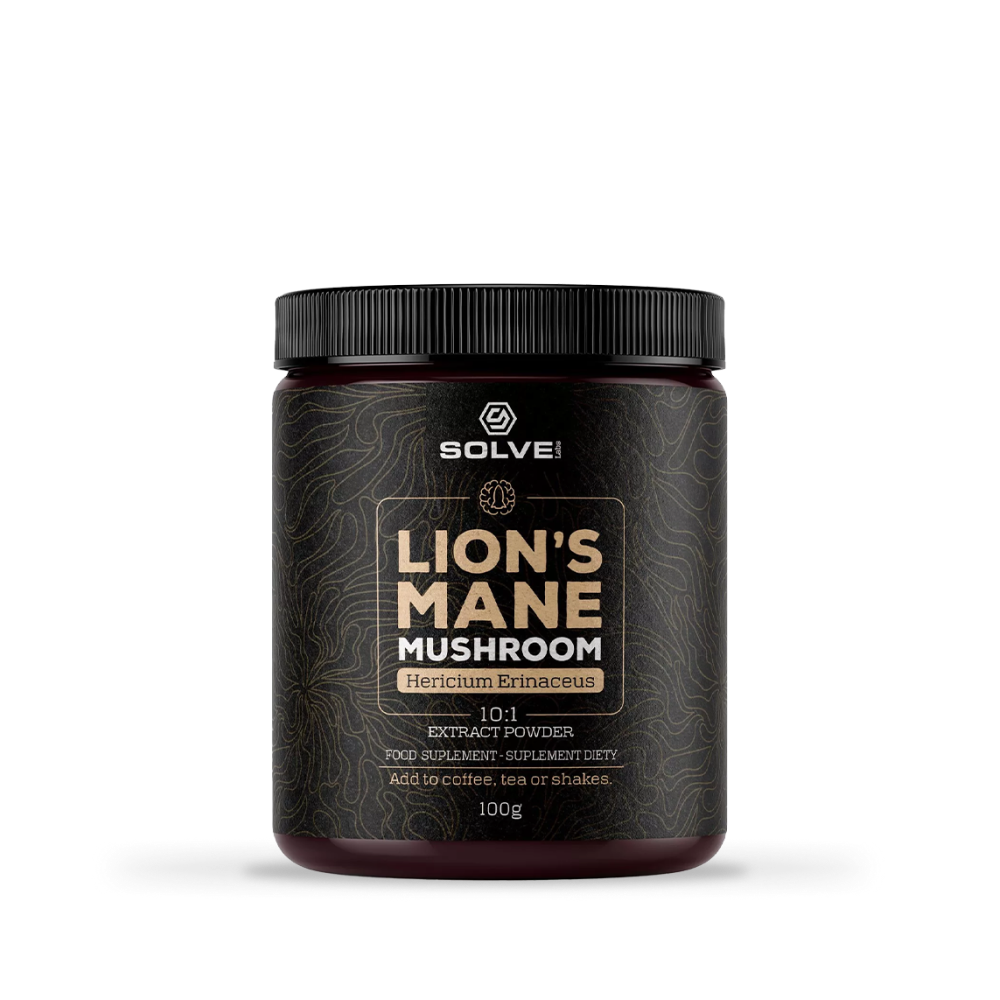
Lion's mane makes two families of neuroactive compounds. Hericenones sit in the fruiting body. Erinacines sit in the mycelium. Both raise Nerve Growth Factor (NGF), the protein that keeps neurons alive and growing, but erinacines are the more potent NGF inducers (Examine: lion's mane).
The trade-off in one line: a fruiting-body-only product is cleaner and easier to verify, but it leaves the most potent neurogenic compound out of the jar. Fruiting-body-only formats optimize for verifiable food-grade sourcing over maximal erinacine content.
Caveat: the erinacine-NGF data is largely preclinical, cell and rodent models. Human trials on lion's mane and cognition are few, small, and short. So the fruiting-body-vs-mycelium debate matters more in theory than it has been shown to matter in outcomes.
How Do These Ingredients Actually Work?
- Ashwagandha (KSM-66). Withanolides blunt the hypothalamic-pituitary-adrenal (HPA) axis, your central stress-response circuit, and lower cortisol output. Lower cortisol means less physiological stress load. Evidence grade: moderate for stress/anxiety in humans; weak for cognition, much of it animal-based (Examine).
- Chaga (Inonotus obliquus). Dense in polysaccharides and antioxidants, with measurable antioxidant activity in vitro. Immune and antioxidant marketing is mechanistically plausible, but human clinical evidence in supplement form is limited; most data is in vitro or animal (Examine: chaga).
- L-theanine (Suntheanine). An amino acid that promotes alpha brain-wave activity, the calm-but-alert state, without sedation. It crosses the blood-brain barrier, acting centrally rather than just in the gut (Examine: theanine).
- Caffeine + L-theanine synergy. Theanine dampens the jittery edge of caffeine while caffeine supplies the lift, producing calm focus and blunting the crash. This is a well-documented pairing (Examine). The "gentle buzz" reputation of mushroom coffee is most plausibly this combination plus a low caffeine load, not a stimulant effect from the mushrooms themselves.
What Does the Evidence Actually Say?
Separate the established from the hopeful.
- Ashwagandha for stress/anxiety, moderate evidence. Human trials, including KSM-66 specifically, report reductions in stress and cortisol (Examine). This is the strongest claim either format can make.
- Ashwagandha for cognition, weaker. Some trials report improved attention and short-term memory, but many supporting findings are animal-based (Examine). Treat cognitive marketing as promising, not proven.
- Lion's mane for NGF/neurogenesis, mechanism supported, clinical data thin. Erinacines drive NGF in preclinical models; human cognitive trials are few and small (Examine). At 500 mg per serving, you're at the lower end of what lion's mane cognitive trials have used, which often run higher.
- Chaga, limited human data. Antioxidant and immune activity is well characterized in the lab; robust human outcome trials are lacking (Examine).
Buy mushroom coffee for stress support and a lower-caffeine daily ritual, that's well-supported. Buy it for guaranteed cognitive protection and you're betting ahead of the human evidence.
Is the Dose in Your Mushroom Coffee Actually Therapeutic?
Two questions decide whether you're paying for actives or filler.
- Is the dose disclosed per ingredient? A proprietary blend listing "1,500 mg mushroom & adaptogen complex" tells you nothing about how much ashwagandha you actually get. Named extracts exist precisely to answer this, verify the milligram figure on the label you buy.
- Does the per-serving dose reach the studied range? Use these reference points from human-evidence syntheses:
| Active | Range used in human trials | Reality check |
|---|---|---|
| KSM-66 ashwagandha | 300-600 mg/day in stress trials (Examine) | Doses well below this range are less well-supported for stress outcomes |
| L-theanine (Suntheanine) | Studied across a range for caffeine-synergy effect (Examine) | Pairs with caffeine for smooth-alertness effect |
| Lion's mane extract | Cognitive trials commonly run above 500 mg (Examine) | 500 mg is on the low side for the cognitive endpoint |
| Chaga extract | No established human dose (Examine) | Marketed on antioxidant content, not a validated dose |
If a product hides the per-ingredient split, assume the cheapest ingredient dominates until proven otherwise. That's the single most useful skeptical habit in this category, and the whole reason disclosure beats a blend.
How Long Until Mushroom Coffee Actually Works?
Set expectations by mechanism, not hope.
- Caffeine + L-theanine lift: same-day, 30 to 60 minutes in, then it tapers.
- Ashwagandha's stress effect: builds over days to a few weeks of daily use, not from a single cup (Examine).
- Lion's mane cognitive effects: the slowest of all, studied over weeks where they occur (Examine).
If you expect measurable calm or focus from the adaptogens in the first 48 hours, you'll be disappointed. The early lift you feel is the caffeine, nothing more.
Side Effects, Interactions, and Who Should Avoid It
Ashwagandha is the ingredient that turns a coffee into a supplement with real interactions, and it appears in both product formats.
- Drug interactions: ashwagandha can interact with thyroid medication, sedatives, immunosuppressants, and drugs for diabetes and blood pressure (Examine). On any of these? Talk to a clinician before daily use.
- Contraindications: caution is advised in autoimmune conditions given its immune-modulating activity; best avoided in pregnancy (Examine).
- Early GI effects: mild bloating, softer stools, or transient nausea in the first week or two are commonly reported as the gut adjusts to mushroom polysaccharides. These usually settle, taking it with food helps.
- Caffeine sensitivity: even a low dose can disrupt sleep in sensitive individuals if taken late in the day.
None of this is a reason to avoid the category. It's a reason to read the label and match it to your medications.
Which Mushroom Coffee Format Should You Choose?
| If you want… | Lean toward |
|---|---|
| Verifiable doses tied to human trial data | Disclosure-first format with named extracts (KSM-66, Suntheanine) |
| Certified-organic, fruiting-body-only mushrooms | Organic sourcing-first format (e.g. Four Sigmatic Focus Latte) |
| Stress support with moderate evidence behind it | Either, ashwagandha's stress data holds across formats |
| A lower-caffeine daily coffee ritual | Either latte format, both run low on caffeine by design |
| Maximum erinacine content from lion's mane | A product that includes mycelium alongside fruiting body |
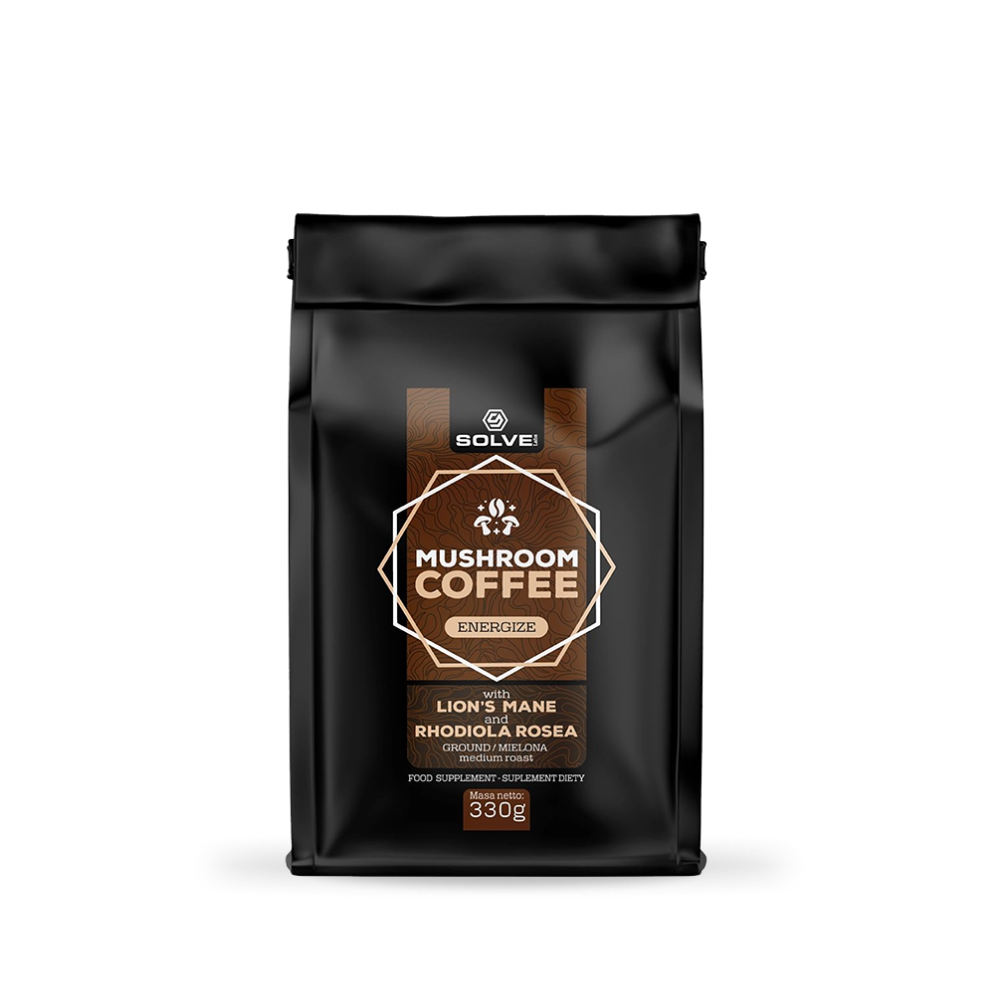
Solve Labs' Chaga & Ashwagandha Coffee is built around the disclosure-first approach, named extracts, per-active transparency. If your priority is checking the label against the trial data, that's your framework. If certified-organic sourcing and taste are your non-negotiables, fruiting-body-only formats deliver that. Peak wellness starts with knowing what you're actually buying.
Frequently asked questions
Does it matter if ashwagandha is listed as 'KSM-66' vs just 'ashwagandha extract'?
Yes, significantly. KSM-66 is the specific full-spectrum root extract used in the human trials reporting stress and cortisol reductions. A generic 'ashwagandha extract' doesn't automatically carry that trial data. Named, standardized extracts let you verify that your dose matches what was actually studied.
Why do some lion's mane products exclude mycelium, and is that better?
Fruiting-body-only products are easier to verify and meet food-grade organic standards more cleanly. The trade-off: they exclude erinacines, the more potent NGF-inducing compounds found in the mycelium. That said, the erinacine-NGF data is largely preclinical, so the practical difference in human outcomes hasn't been firmly established.
How long does it take for ashwagandha in mushroom coffee to reduce stress?
Ashwagandha's stress-reducing effects build over days to a few weeks of consistent daily use, not from a single serving. The immediate lift you notice from mushroom coffee is the caffeine and L-theanine synergy, not the adaptogen. Set expectations accordingly and use it daily for best results.
Disclaimer: These statements have not been evaluated by the Food and Drug Administration. This product is not intended to diagnose, treat, cure, or prevent any disease. Consult a healthcare professional before use.
