
Best Alternatives to Lion's Mane Gummies for Cognitive Decline
Best Alternatives to Lion's Mane Gummies for Cognitive Decline
- Bacopa monnieri at 300 mg/day (50% bacosides) has stronger human evidence than Lion's Mane for memory consolidation and attention speed.
- Most Lion's Mane gummies use fruiting body powder, only erinacine A-enriched mycelia has Alzheimer's pilot data (49-week trial); standard gummies likely don't match that bioavailability.
- Ginkgo biloba at 240 mg/day may modestly help mild dementia via cerebral blood flow, but the large GEM study found it does NOT prevent dementia in healthy older adults.
- Creatine at 5 g/day improves working memory and processing speed specifically in sleep-deprived or low-creatine individuals, not broad cognitive enhancement.
- Why Would You Look Beyond Lion's Mane Gummies in the First Place?
- What Is the Strongest Evidence-Based Alternative for Memory?
- Is There Any Form of Lion's Mane That Actually Has Alzheimer's Data?
- What Does the Evidence Say About Ginkgo Biloba?
- Can Creatine Actually Support Brain Function?
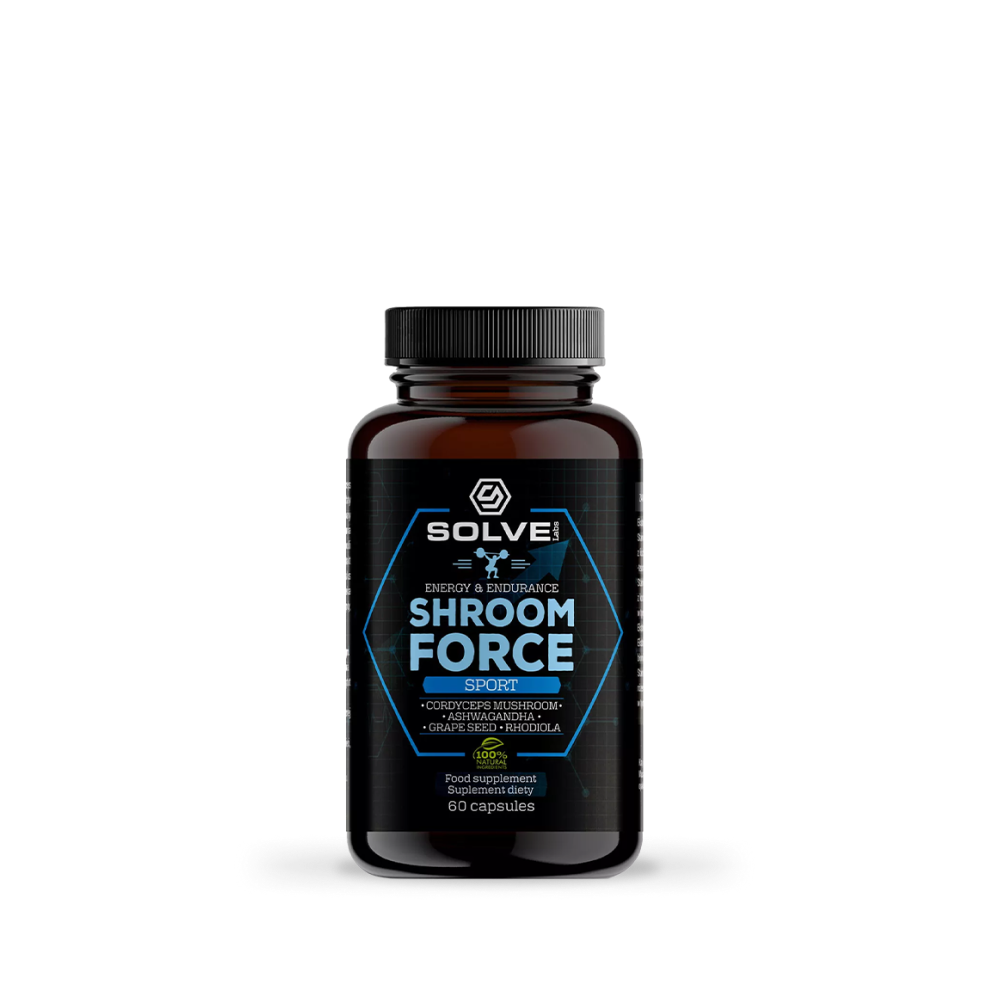
- What About Other Functional Mushrooms, Reishi and Cordyceps?
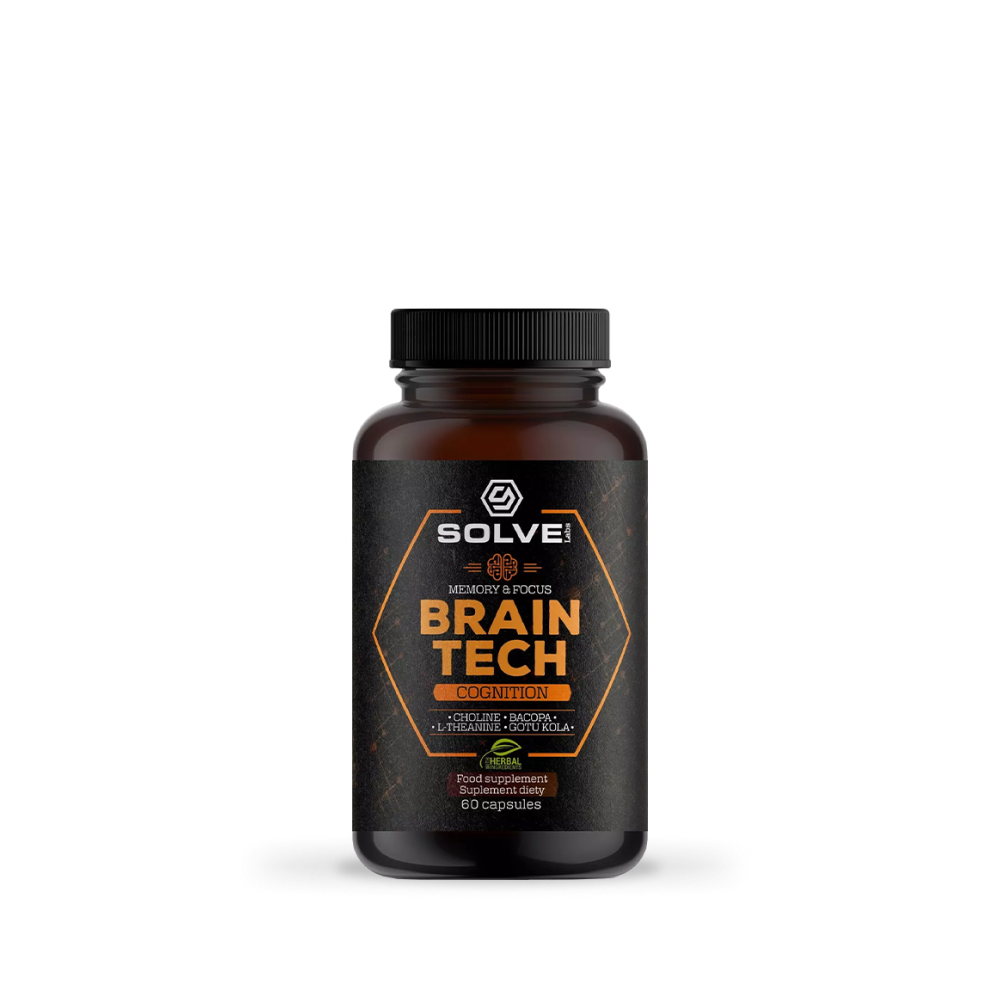
- Are There Nootropic Blends That Cover Multiple Cognitive Domains?
- How Do Lifestyle Factors Compare to Supplementation?
The best alternatives to Lion's Mane gummies for cognitive decline are Bacopa monnieri, erinacine A-enriched Lion's Mane mycelia, Ginkgo biloba, and Creatine, each working through a different mechanism than the NGF/BDNF pathway Lion's Mane targets, with trade-offs in evidence quality, dosage precision, and the specific cognitive domain they support. No single supplement has robust, large-scale human evidence for reversing cognitive decline; the honest answer is that all of these are adjuncts to lifestyle, not replacements for medical care.
| Supplement | Primary Mechanism | Typical Dose | Best For | Evidence Strength |
|---|---|---|---|---|
| Bacopa monnieri | Dendritic branching, hippocampal antioxidant | 300 mg/day (50% bacosides) | Memory recall, attention | Moderate, Strong (humans) |
| Erinacine A-enriched Lion's Mane mycelia | NGF stimulation via erinacines | Enriched extract (trial-specific) | Mild Alzheimer's, nerve repair | Moderate (small pilot trial) |
| Ginkgo biloba | Cerebral blood flow, antioxidant | 240 mg/day for ≥24 weeks | Mild dementia, circulation | Weak, Mixed |
| Creatine monohydrate | ATP brain energy metabolism | 5 g/day | Processing speed, working memory | Moderate (specific populations) |
| Reishi (Ganoderma lucidum) | Adaptogenic, HPA-axis modulation | 1-1.5 g/day extract | Anxiety, mood, indirect cognition | Weak (mostly animal/small human) |
| Cordyceps sinensis/militaris | Oxygen utilization, ATP (adenosine) | 1-3 g/day | Mental energy, exercise recovery | Weak (limited human RCTs) |
Why Would You Look Beyond Lion's Mane Gummies in the First Place?
There are only three small studies in older adults taking Lion's Mane, and their results are mixed. One 16-week trial in adults with mild cognitive impairment showed improved cognitive testing scores versus placebo, but studies in healthy young adults found no significant changes. That's a narrow evidence base for a supplement that often commands premium pricing.
The form matters enormously. The only trial with Alzheimer's-specific data, a 49-week pilot study, used erinacine A-enriched mycelia, a specialized preparation. Most commercial gummies use fruiting body powder, which contains hericenones but lacks the high erinacine A concentrations needed to reliably cross the blood-brain barrier. If the gummy you're taking doesn't specify enriched mycelia and the erinacine A concentration, it almost certainly doesn't replicate that trial's formulation.
Add to this the proprietary blend problem: many gummies list a "mushroom complex" without disclosing individual ingredient weights, making it impossible to verify whether the dose is therapeutic or merely token. At that point, looking at alternatives with more transparent dosing is rational, not disloyal.
Takeaway: Standard Lion's Mane gummies may be underdosed and use the wrong form. That's the real reason to evaluate alternatives.
What Is the Strongest Evidence-Based Alternative for Memory?
Bacopa monnieri (Brahmi) holds the most consistent human evidence for supporting memory consolidation among non-prescription supplements. A 2020 meta-analysis found that 300 mg/day of a standardized 50% bacoside extract helped support memory recall and attention speed in both healthy adults and those with mild cognitive impairment. That's a larger and more consistent body of human RCT data than Lion's Mane currently has.
The mechanism is distinct from Lion's Mane. Bacopa doesn't stimulate nerve growth factor; instead, it increases the density of dendritic branches in the hippocampus, the branching connections between neurons, and reduces oxidative stress in the same region. Think of it not as growing new nerve fibers (Lion's Mane's goal) but as making existing connections more efficient.
- Onset: Bacopa is genuinely slow, most trials run 8-12 weeks before significant effects appear. Expecting results in days is unrealistic.
- Side effects: GI discomfort (bloating, loose stools) is common in the first 1-2 weeks; taking it with food reduces this.
- Who it's for: Adults experiencing age-related memory slippage, students, or anyone whose primary complaint is slow recall rather than brain fog or energy.
Takeaway: For memory specifically, Bacopa monnieri at 300 mg/day has stronger human trial support than any gummy form of Lion's Mane currently on the market.
Is There Any Form of Lion's Mane That Actually Has Alzheimer's Data?
Yes, but it's not what's in most gummies. Erinacine A-enriched Lion's Mane mycelia is a specific preparation where the mycelial substrate is cultivated to concentrate erinacine A, a diterpenoid that crosses the blood-brain barrier more readily than the hericenones found in the fruiting body.
A 49-week pilot trial in adults with mild Alzheimer's disease using this enriched mycelia formulation showed significant improvements in memory, attention, and daily functioning compared to placebo. That's the most compelling human data for any Lion's Mane product, but it applies only to that specific form and concentration, not to standard fruiting body gummies.
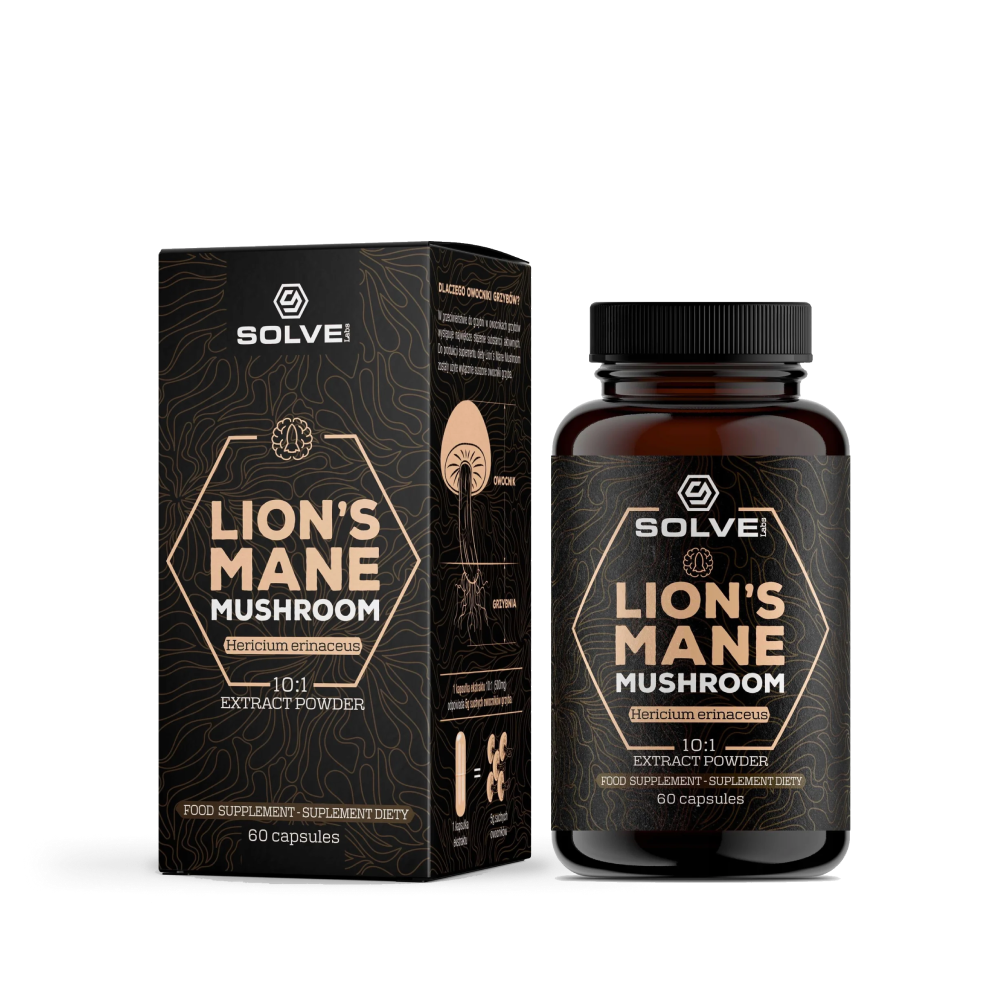
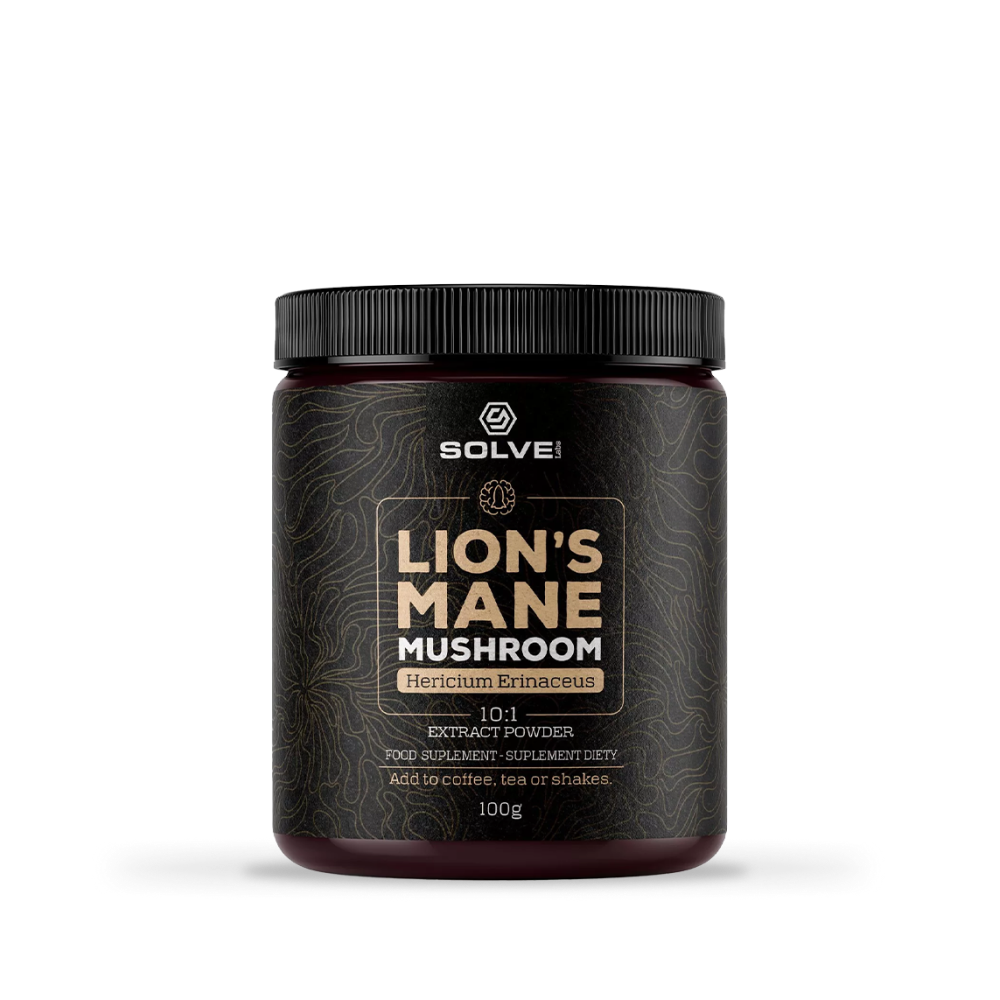
If you're specifically looking for cognitive-decline protection via the NGF pathway, the honest upgrade isn't a different supplement category, it's switching from a fruiting body gummy to a verified erinacine A-enriched mycelia capsule with disclosed potency. Some functional mushroom brands (including formulations from Solve Labs) use standardized Lion's Mane fruiting body extract with disclosed beta-glucan content, which is a step toward transparency even if it doesn't replicate the enriched mycelia trial.
Takeaway: "Lion's Mane" is not one thing. Erinacine A-enriched mycelia and fruiting body powder have different compounds, different bioavailability, and very different evidence profiles.
What Does the Evidence Say About Ginkgo Biloba?
Ginkgo biloba at 240 mg/day for at least 24 weeks may modestly help support cognitive function in people already experiencing mild dementia, according to a 2020 updated review. The mechanism is different from Lion's Mane: Ginkgo works by increasing cerebral blood flow and acting as an antioxidant, not by stimulating neurotrophic factors.
The critical caveat: the large, well-designed GEM (Ginkgo Evaluation of Memory) study found that Ginkgo biloba did not support the maintenance of cognitive health in cognitively healthy older adults any more than placebo. Results for supporting age-related cognitive health in healthy people are inconsistent across trials. Ginkgo is a reasonable option if your cognitive complaints are circulation-related (brain fog that worsens with low blood pressure or poor sleep), but it's not a nerve-repair tool.
| Scenario | Ginkgo Likely Useful? | Reason |
|---|---|---|
| Mild dementia already diagnosed | Possibly | 240 mg/day showed modest benefit in reviews |
| Supporting cognitive health in healthy adults | No | GEM study found no benefit over placebo in healthy older adults |
| Brain fog linked to poor circulation | Possibly | Cerebral blood flow mechanism |
| Nerve regeneration / NGF support | No | Wrong mechanism entirely |
Takeaway: Ginkgo at 240 mg/day is worth considering for existing mild cognitive impairment, not as a supplement for healthy brains seeking to maintain cognitive function.
Can Creatine Actually Support Brain Function?
Creatine is not a nootropic in the traditional sense, it doesn't target receptors or neurotransmitters. What it does is support brain energy metabolism by increasing phosphocreatine availability for ATP regeneration. A 2024 research review found that creatine supplementation was associated with improvements in working memory and processing speed, but with an important qualifier: the benefit was most pronounced in people with low baseline creatine levels (vegetarians, vegans, older adults) or those under conditions of cognitive stress like sleep deprivation.
At 5 g/day of creatine monohydrate, the same dose used in athletic contexts, there are no meaningful side effects for most healthy adults. It's also among the cheapest, most adulteration-resistant supplements available, which addresses the "mostly filler" concern directly. If you're sleep-deprived, plant-based, or over 60, creatine's cognitive upside is real. If you're a well-rested omnivore with normal creatine stores, the effect is marginal.
Takeaway: Creatine at 5 g/day is a low-cost, low-risk cognitive support option, most useful for those with low dietary intake or high cognitive stress loads.
What About Other Functional Mushrooms, Reishi and Cordyceps?
Reishi (Ganoderma lucidum) and Cordyceps are frequently bundled with Lion's Mane in "mushroom complex" products. Their cognitive relevance is indirect:
- Reishi acts primarily as an adaptogen, modulating the HPA (hypothalamic-pituitary-adrenal) axis to help reduce cortisol load. High chronic cortisol is independently associated with hippocampal atrophy and accelerated cognitive aging, so Reishi's anxiety and sleep benefits may help support cognition over time, even though it doesn't directly stimulate nerve growth. Evidence is mostly animal models and small human trials; treat it as supportive, not therapeutic.
- Cordyceps (particularly C. militaris) may help improve oxygen utilization and ATP production via adenosine agonism. The cognitive benefit is primarily mental energy and reduced fatigue rather than memory or neuroprotection. Athletes and people with chronic fatigue report the most benefit; evidence in healthy non-athletes is thin.
Neither replaces Lion's Mane's specific NGF mechanism. They're best understood as complementary, not equivalent, alternatives.
Takeaway: Reishi may support cognition indirectly via stress reduction; Cordyceps addresses mental energy and fatigue, neither targets the same pathway as Lion's Mane.
Are There Nootropic Blends That Cover Multiple Cognitive Domains?
If your goal is comprehensive brain health rather than one specific mechanism, a well-formulated nootropic blend may outperform any single ingredient. The key is verifying that each ingredient appears at its clinically studied dose, not a token amount in a proprietary blend. Look for:
- Lion's Mane extract with disclosed beta-glucan % or erinacine A content (not just "500 mg mushroom powder")
- Bacopa monnieri at ≥300 mg with 50% bacosides standardization
- L-Theanine at 100-200 mg (pairs well with caffeine for focus without jitter; also has independent anxiolytic evidence)
- Vitamin B12 as methylcobalamin (the active form), not cyanocobalamin, which requires conversion and is less bioavailable for individuals with MTHFR variants
- Third-party testing certificate (COA) from an independent lab, not just a brand claim
The single most important question to ask about any blend: Is each ingredient's dose listed individually, or buried in a "proprietary blend" total? If it's the latter, you cannot verify therapeutic dosing.
Takeaway: A transparent blend with individually disclosed doses beats a higher-priced single-ingredient product where the dose is hidden in a proprietary matrix.
How Do Lifestyle Factors Compare to Supplementation?
Before optimizing your supplement stack, it's worth benchmarking against what the evidence actually shows for modifiable lifestyle factors:
- Aerobic exercise: 150 minutes/week of moderate-intensity cardio is associated with increased hippocampal volume and BDNF levels in multiple controlled trials, a magnitude of benefit no current supplement has matched.
- Sleep (7-9 hours): A single night of sleep deprivation measurably impairs working memory and processing speed. Chronic sleep restriction is associated with accelerated amyloid-beta accumulation, a hallmark of Alzheimer's pathology. No supplement compensates for consistent poor sleep.
- Mediterranean-style diet: High adherence is associated with a 35% lower risk of cognitive decline in prospective cohort studies. Omega-3s (DHA specifically) show the strongest nutrient-level evidence for brain structure maintenance.
- Cognitive engagement: Learning new skills, social interaction, and novel problem-solving may help preserve cognitive reser
- 2020 meta-analysis: Bacopa monnieri and memory/attention in MCI
- 49-week pilot trial: Erinacine A-enriched Lion's Mane mycelia in mild Alzheimer's disease
- 2020 updated review: Ginkgo biloba 240 mg and mild dementia
- GEM study: Ginkgo biloba did not prevent dementia in older adults
- 2024 review: Creatine supplementation and cognitive performance
Frequently asked questions
Is Bacopa monnieri safe to take long-term for cognitive decline?
Current evidence suggests Bacopa is well-tolerated in trials lasting up to 12 weeks, with GI discomfort (bloating, soft stools) being the most common side effect, typically resolving after the first two weeks. Long-term safety data beyond 12 weeks is limited, and it may interact with anticholinergic medications. People taking thyroid medication or those with bradycardia should consult a physician before use.
Why don't most Lion's Mane gummies work as well as the studies suggest?
Most commercial gummies use fruiting body powder, which contains hericenones but not the erinacine A concentrations that cross the blood-brain barrier at meaningful levels. The only Alzheimer's pilot data used erinacine A-enriched mycelia, a specific, concentrated form. Additionally, many gummies don't disclose the beta-glucan percentage or extraction ratio, making it impossible to verify the active compound dose. Underdosed or wrong-form products produce weak or no effects regardless of how the category is marketed.
Can you combine Bacopa, Creatine, and Lion's Mane together?
Yes, these three work through distinct, non-overlapping mechanisms (dendritic remodeling, ATP energy metabolism, and NGF stimulation respectively), so combining them is not redundant and there are no known pharmacological interactions between them. The practical consideration is cost and simplicity: start with one, establish your baseline response over 8-12 weeks, then add a second if needed. Creatine is the easiest starting point because onset is fastest and the evidence for specific populations (sleep-deprived, plant-based, older adults) is most consistent.
Disclaimer: These statements have not been evaluated by the Food and Drug Administration. This product is not intended to diagnose, treat, cure, or prevent any disease. Consult a healthcare professional before use.
