
Lion's Mane for ADHD & Brain Fog: What the Science Says
Lion's Mane for ADHD & Brain Fog: What the Science Says
- What Is Lion's Mane, and Why Is It Linked to Brain Health?
- How Does Lion's Mane Work in the Brain?
- What Does the Clinical Evidence Actually Say?
- Can Lion's Mane Help With Brain Fog?
- Health Benefits: Evidence Ratings at a Glance
- How Much Should I Take, and How Long Until It Works?
- Is This Made From Fruiting Body Only, or Does It Contain Mycelium/Grain Filler?
- What Does the 10:1 Extract Ratio Mean in Practice?
- What Are the Side Effects and Risks?
- Lion's Mane vs. Other Nootropics for Focus and Brain Fog
- Who Should, and Shouldn't, Take Lion's Mane?
- Can I Take Lion's Mane Alongside Other Nootropics or Supplements?
- Related guides
Lion's mane (Hericium erinaceus) contains two compounds, hericenones and erinacines, that cross the blood, brain barrier and stimulate nerve growth factor (NGF) synthesis, making it one of the most biologically plausible mushrooms for cognitive support. But here's what matters: there is currently no clinical evidence that lion's mane treats ADHD, and anyone telling you otherwise is outrunning the science. What the research does support, modestly, in specific populations, is reduced brain fog, improved attention speed, and neuroprotection.
| Factor | Detail |
|---|---|
| Key bioactive compounds | Hericenones (fruiting body), erinacines (mycelium) |
| Primary mechanism | NGF & BDNF stimulation; anti-neuroinflammation |
| Typical clinical dose | 500 mg, 3,000 mg daily (extract form) |
| Best-supported use | Mild cognitive impairment (MCI), age-related decline |
| ADHD-specific evidence | None, no direct clinical trials |
| Evidence strength (cognitive) | Moderate mechanistically; modest & mixed in humans |
| Safety profile | Short-term: appears safe; long-term data limited |
| Who it's most studied in | Older adults, overweight adults, MCI populations |
What Is Lion's Mane, and Why Is It Linked to Brain Health?
Lion's mane is a culinary and medicinal mushroom native to Asia, Europe, and North America, historically used in Traditional Chinese Medicine for cognitive vitality. Its modern scientific interest centres on two classes of bioactive compounds found nowhere else in nature: hericenones, extracted from the fruiting body, and erinacines, found in the mycelium. Both have been shown to stimulate the synthesis and secretion of NGF, nerve growth factor, a protein that neurons depend on for growth, maintenance, and survival.
That's not marketing language. NGF deficiency is directly linked to cognitive decline, and compounds that safely upregulate it are genuinely rare. Lion's mane is one of the few dietary sources with credible evidence for doing so.
How Does Lion's Mane Work in the Brain?
The neurological mechanisms are better understood than the clinical outcomes, so it's worth being precise about what's happening:
- NGF upregulation: Hericenones and erinacines cross the blood, brain barrier and stimulate NGF expression in the hippocampus and cerebral cortex, regions central to memory, learning, and executive function.
- BDNF stimulation: Brain-derived neurotrophic factor (BDNF) supports synaptic plasticity, the brain's ability to strengthen connections with use. Low BDNF is associated with depression, poor memory, and reduced learning capacity.
- Anti-neuroinflammation: Animal model studies show H. erinaceus extracts reduce oxidative stress and nitric oxide (NO) production, both markers of chronic neuroinflammation that degrade cognitive performance over time.
- Myelination support: Early evidence suggests lion's mane may support myelin sheath integrity, which affects how quickly signals travel between neurons, directly relevant to processing speed and attention.
- Gut, brain axis: Beta-glucan polysaccharides in lion's mane act as prebiotics, potentially influencing mood and cognition indirectly through the microbiome-brain pathway.
These mechanisms are well-documented in cell and animal studies. The gap is translating them reliably into measurable human outcomes, especially for a condition as specific as ADHD.
What Does the Clinical Evidence Actually Say?
This is where honesty matters most. The evidence landscape breaks into three tiers:
What's reasonably supported
- Attention speed in healthy adults: A small clinical trial found that a single dose of H. erinaceus extract significantly improved performance speed on the Stroop task, a validated measure of attention and cognitive control, in overweight adults. Participants taking lion's mane for 28 days also showed a trend toward reduced subjective stress versus placebo.
- Mild cognitive impairment (MCI): A study in older adults with MCI reported improved cognitive test scores after several weeks of supplementation, one of the more cited findings in the field, and the most consistent result across multiple reviews.
What's weak or mixed
- A 2024 study by the University of Surrey and University College London found no significant impact on global cognitive function or mood in their participant group, a meaningful negative result that doesn't get cited as often as it should.
- Human trials use vastly different doses (500 mg to 3,000 mg), extract forms, and durations, making direct comparison nearly impossible. The field lacks standardisation.
What's absent
- ADHD-specific trials: none. No published clinical research has directly studied lion's mane in people diagnosed with ADHD. Authorities including Healthline, Medical News Today, and Ubie Health all explicitly state there is no scientific evidence supporting lion's mane as an ADHD treatment. The ADHD connection is mechanistic extrapolation, plausible, but unproven.
"There is no scientific evidence to support lion's mane for ADHD.", A position stated consistently across multiple independent clinical reviews.
Can Lion's Mane Help With Brain Fog?
Brain fog, that persistent sense of mental cloudiness, slow recall, and inability to stay present, doesn't have a single cause, which is partly why it's hard to treat. Lion's mane addresses several plausible contributors simultaneously: neuroinflammation, low BDNF, poor synaptic efficiency, and gut dysbiosis. Whether that translates to your brain fog depends on what's driving it.
The most honest framing: lion's mane is more likely to help brain fog caused by inflammation, aging, or low neurotrophic factor activity than brain fog caused by sleep deprivation, thyroid issues, or nutrient deficiencies. It's not a universal fix, but its multi-pathway mechanism makes it one of the more rational nootropic choices for diffuse cognitive sluggishness.
Health Benefits: Evidence Ratings at a Glance
| Benefit | Mechanism | Evidence Strength |
|---|---|---|
| Reduced brain fog / mental clarity | NGF/BDNF upregulation, anti-inflammatory | ⭐⭐⭐ Moderate (mechanistic + some human data) |
| Improved attention speed | Cognitive control (Stroop task performance) | ⭐⭐ Limited (one small trial) |
| MCI / age-related cognitive decline | NGF synthesis, neuroprotection | ⭐⭐⭐ Moderate (most consistent human finding) |
| Stress & mood modulation | BDNF, gut, brain axis | ⭐⭐ Limited (trend observed, not significant) |
| Neuroprotection / anti-inflammation | Antioxidant, NO reduction | ⭐⭐⭐ Moderate (strong in animal models) |
| ADHD symptom management | Plausible via NGF/dopamine pathways | ❌ No clinical evidence |
How Much Should I Take, and How Long Until It Works?
Clinical trials have used doses ranging from 500 mg to 3,000 mg daily, with most cognitive studies clustering around 1,000 mg, 1,500 mg of extract. The form matters: a 10:1 concentrated extract delivers significantly more active hericenones and erinacines per milligram than raw mushroom powder, 1,000 mg of a 10:1 extract is roughly equivalent to 10,000 mg of whole mushroom powder in terms of bioactive concentration.
Timeline expectations, based on available data:
- Acute (single dose): Some attention-speed improvements observed within hours in the Stroop task trial, but don't bank on this as a daily effect.
- Short-term (2-4 weeks): Stress reduction trends and subjective mental clarity improvements appear in this window in multiple studies.
- Medium-term (8-16 weeks): MCI cognitive score improvements were observed over this timeframe, the most robust human findings come from longer supplementation periods.
Practical guidance: commit to at least 8 weeks before evaluating whether lion's mane is working for you. NGF synthesis is a slow, cumulative process, it's not a stimulant.
Is This Made From Fruiting Body Only, or Does It Contain Mycelium/Grain Filler?
This question matters more than most supplement buyers realise. Many lion's mane products on the market are made from myceliated grain, essentially mycelium grown on rice or oats that is then dried and powdered. The resulting product contains significant starch from the grain substrate and far lower concentrations of hericenones and erinacines. Some products don't disclose the ratio of actual mushroom to grain at all.
The gold standard is fruiting body extract, the actual mushroom cap, which is where hericenones are concentrated. Erinacines are found in the mycelium, but in a pure mycelium product, you want mycelium grown without grain substrate, not the grain itself.
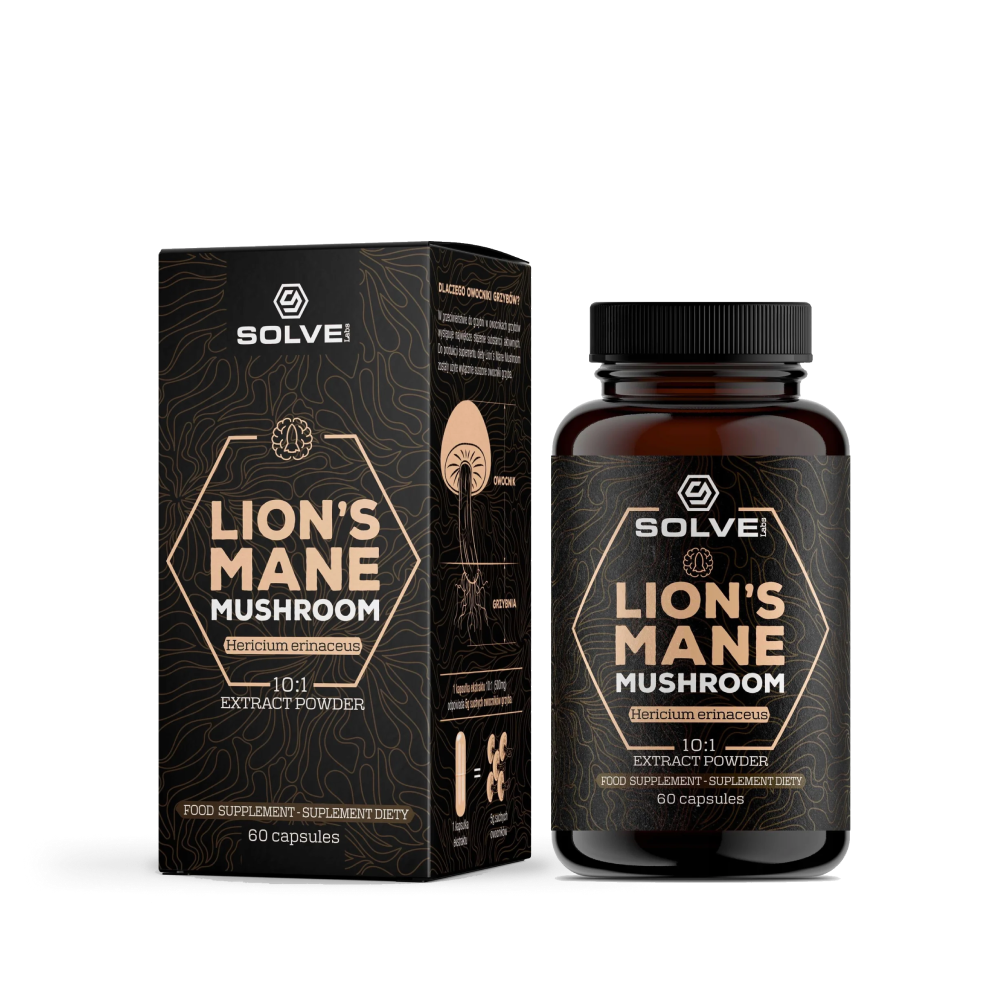
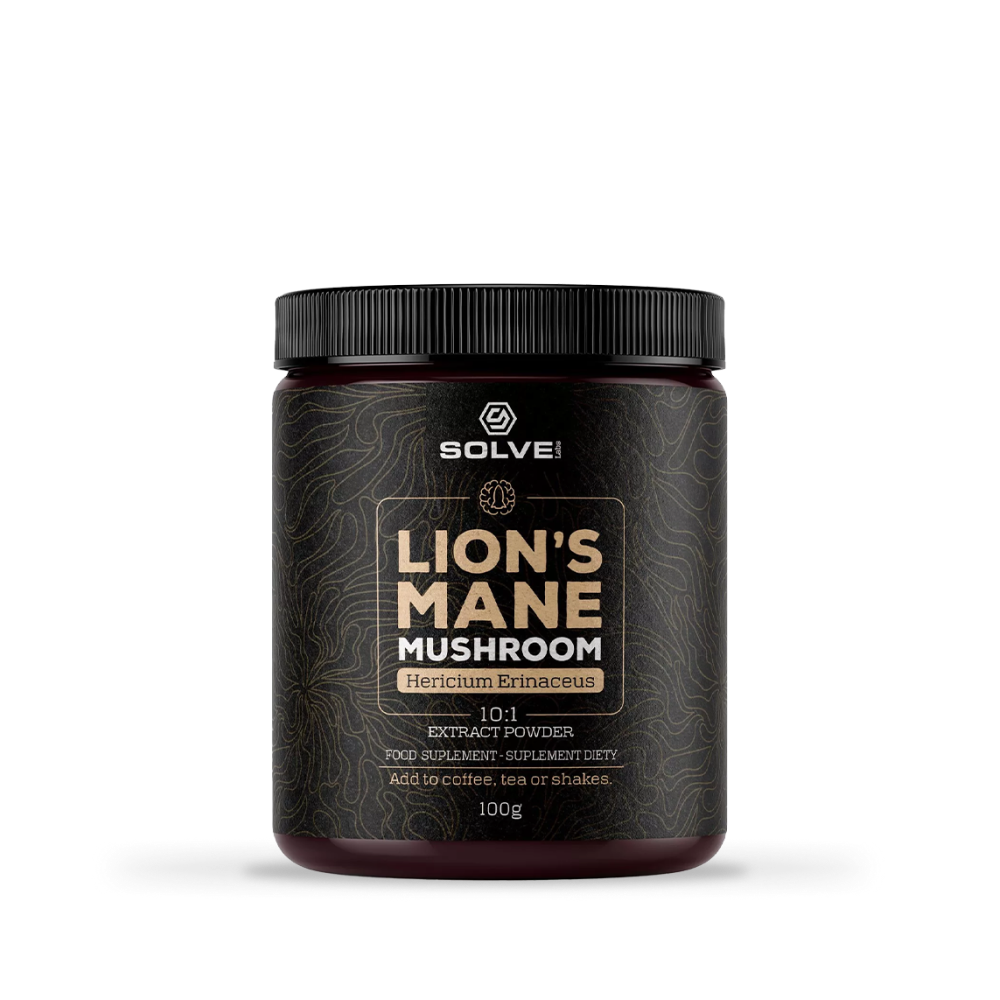
If you want to ensure you're getting genuine potency, look for: DNA-verified Hericium erinaceus, fruiting body sourced material explicitly stated, and a defined extract concentration ratio. Solve Labs' Lion's Mane Capsules use a 1,000 mg, 10:1 concentrated fruiting body extract, DNA-verified, no mycelium grain filler, which addresses the most common quality concern in this category.
What Does the 10:1 Extract Ratio Mean in Practice?
A 10:1 extract ratio means 10 kg of raw lion's mane fruiting body is concentrated down to 1 kg of extract, retaining and concentrating the active compounds (hericenones, beta-glucans, polysaccharides) while removing inert material like cellulose and water. In practical terms, a 1,000 mg dose of 10:1 extract delivers the bioactive equivalent of approximately 10,000 mg of raw mushroom powder. This matters because the studies showing cognitive benefits used standardised extracts, not whole mushroom powder, making extract concentration a meaningful quality marker, not a marketing number.
What Are the Side Effects and Risks?
Short-term use of lion's mane appears safe across published human trials, with no serious adverse events reported at standard doses. Reported mild effects include occasional digestive discomfort. Two important caveats:
- Allergy risk: Rare cases of allergic reaction, including skin rash and respiratory symptoms, have been documented. If you have mushroom allergies, proceed cautiously.
- Long-term safety: There is limited published data on supplementation beyond 16 weeks. This doesn't mean it's unsafe, it means the evidence base doesn't extend there yet. Cycling (e.g. 8-12 weeks on, 2-4 weeks off) is a reasonable precautionary approach.
- Drug interactions: Theoretical concern with anticoagulants given some evidence of platelet effects; consult a clinician if you're on blood thinners or diabetes medication.
Lion's Mane vs. Other Nootropics for Focus and Brain Fog
| Supplement | Primary Mechanism | ADHD Evidence | Brain Fog Evidence | Best For |
|---|---|---|---|---|
| Lion's Mane | NGF/BDNF synthesis, anti-inflammatory | None | Moderate | Long-term neuroprotection, MCI, diffuse fog |
| Bacopa monnieri | Acetylcholine modulation, antioxidant | None direct | Moderate | Memory consolidation, anxiety-related fog |
| Rhodiola rosea | HPA axis modulation, dopamine/serotonin | None direct | Moderate | Stress-induced fatigue, mental stamina |
| Caffeine + L-theanine | Adenosine blockade + GABA modulation | None | Strong (acute) | Immediate focus, acute alertness |
| Prescription stimulants | Dopamine/norepinephrine reuptake inhibition | Strong (FDA-approved) | Strong (acute) | Diagnosed ADHD, not a supplement comparison |
Who Should, and Shouldn't, Take Lion's Mane?
Most likely to benefit: Adults experiencing age-related cognitive decline or MCI; people with persistent brain fog without a clear underlying cause; individuals looking for long-term neuroprotective support; those managing stress-related cognitive dulling.
Less likely to see dramatic results: Young adults with healthy baseline cognition; anyone expecting ADHD-level symptom relief, the evidence simply doesn't support that expectation.
Should avoid or consult first: People with mushroom allergies; those on anticoagulant or antidiabetic medications; pregnant or breastfeeding individuals (no safety data available).
Critical point: If you have diagnosed ADHD, lion's mane is not a replacement for evidence-based treatment. It may offer modest adjunct support for clarity and neuroinflammation, but it should sit alongside, not instead of, proven interventions.
Can I Take Lion's Mane Alongside Other Nootropics or Supplements?
Generally yes, lion's mane's mechanisms don't conflict with most common nootropics. It stacks naturally with adaptogens (ashwagandha, rhodiola), omega-3s (which also support BDNF), and B-complex vitamins. The caffeine + L-theanine combination works on different pathways and is frequently paired with lion's mane for an acute-plus-long-term focus strategy. No significant negative interactions are documented in the literature, though the caveat about anticoagulants applies here too.
- Mori et al., Hericium erinaceus NGF synthesis and cognitive function review
- Healthline: Lion's Mane Mushroom — benefits, side effects, dosage
- Medical News Today: What are the benefits of lion's mane mushrooms?
- Ubie Health: Lion's Mane for ADHD
- Alzheimer's Drug Discovery Foundation Cognitive Vitality: Lion's Mane rating
- University of Surrey / UCL 2024 study: no significant impact on global cognitive function or mood
Frequently asked questions
Does lion's mane actually help with ADHD?
No clinical trials have directly tested lion's mane in people with ADHD, so there is no scientific evidence it treats ADHD symptoms. Its NGF-stimulating and anti-inflammatory mechanisms are theoretically relevant to attention and cognitive control, but that's mechanistic extrapolation, not clinical proof. It should not replace evidence-based ADHD treatment. Some people use it as an adjunct for general mental clarity, but expectations should be modest and realistic.
How long does lion's mane take to work for brain fog?
Some studies show acute attention improvements within hours of a single dose, but meaningful, sustained cognitive benefits, particularly for brain fog and mental clarity, appear most consistently after 4-16 weeks of daily supplementation. NGF synthesis is a cumulative process, not an immediate stimulant effect. Plan to evaluate results after at least 8 weeks of consistent use before deciding whether it's working for you.
What's the difference between lion's mane fruiting body extract and mycelium powder?
Fruiting body extract contains concentrated hericenones, the key compounds linked to NGF stimulation, and is produced from the actual mushroom cap. Many cheaper products use myceliated grain: mycelium grown on rice or oats, then dried. This results in a product diluted with grain starch and far lower active compound concentrations. A 10:1 fruiting body extract delivers roughly 10x the bioactive load of equivalent-weight raw powder, making the source and concentration ratio critical quality markers.
Mentioned in this article: Lion's Mane Capsules from our range.
Disclaimer: These statements have not been evaluated by the Food and Drug Administration. This product is not intended to diagnose, treat, cure, or prevent any disease. Consult a healthcare professional before use.
